
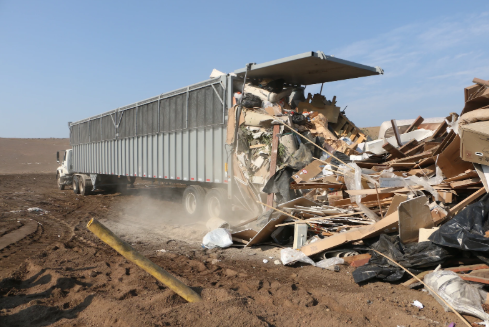
Efficient material handling is critical in industries such as waste management, recycling, and manufacturing. Moving floor systems provide a controlled and reliable method to move bulk materials across storage areas without requiring manual handling or machinery to enter confined spaces. These systems offer operational efficiency, safety, and adaptability for different material volumes.
What Are Moving Floor Systems?
Moving floor systems are hydraulically driven floors designed to transport materials across a flat surface. Materials are moved gradually from one end of the floor to another using hydraulic drive units, eliminating the need for loaders to operate within storage pits or confined spaces. This controlled movement allows for safe, continuous handling of bulk products.
How They Work
The system operates through hydraulic drive units that push or pull the material along the floor. Speeds are adjustable, typically ranging from 0.7m/min to 1.3m/min, depending on the material type and throughput requirements. Single or multiple drive units can be used to accommodate higher volumes, ensuring consistent and efficient material flow regardless of the storage capacity.
Advantages of Moving Floor Systems
Enhanced Safety
Traditional storage pits often require equipment or personnel to work in confined areas, increasing the risk of accidents. Moving floor systems allow material to be transported safely without the need for machinery in the pit, reducing the risk of injury and improving workplace safety.
Operational Efficiency
Adjustable hydraulic speeds provide flexibility to handle different volumes of material efficiently. The system can operate continuously, ensuring steady material flow and reducing downtime compared to manual handling or loader-dependent operations.
Cost-Effectiveness
By reducing the need for heavy machinery and manual labor, moving floor systems can lower operational costs. Less equipment operation also means reduced maintenance requirements and lower fuel consumption.
Versatility
Moving floor systems can handle a wide range of materials, from waste and recyclable products to bulk industrial or agricultural materials. Configurable drive units allow the system to be scaled according to throughput demands.
Integration with Storage Pits
Moving floor systems are often combined with storage pits, allowing materials to be stored safely until they are needed for processing, sorting, or disposal. This setup enhances material handling efficiency while minimising spillage or material loss.
Resource Recovery
By controlling the discharge of materials from storage pits, moving floor systems support efficient recovery and sorting processes. This approach is particularly useful in recycling operations where controlled material movement improves processing outcomes.
Environmental and Operational Benefits
- Reduced fuel use compared to loaders operating inside pits.
- Lower risk of spillage and contamination.
- Streamlined workflow and consistent material handling.
Applications of Moving Floor Systems
Moving floor systems are used in a variety of settings, including:
- Waste Management: Safe and efficient movement of municipal or industrial waste.
- Recycling Facilities: Gradual discharge and sorting of recyclable materials.
- Agricultural Operations: Handling bulk feed, grains, or biomass.
- Manufacturing Plants: Moving raw materials or finished products within storage areas.
Key Considerations
When implementing a moving floor system, several factors should be considered:
- Throughput Requirements: Understand the volume of material to be moved and the desired processing speed.
- Material Type: Different materials may require adjustments to hydraulic speed and floor configuration.
- Drive Unit Configuration: Single or multiple hydraulic drives can be used, depending on storage and throughput needs.
Conclusion
Moving floor systems offer a reliable, safe, and efficient solution for handling bulk materials across various industries. Adjustable hydraulic speeds, configurable drive units, and integration with storage pits make them adaptable for different operational needs.
By eliminating the need for equipment in confined areas, these systems reduce workplace hazards and support continuous, efficient material movement. When paired with equipment like an industrial shredder, moving floor systems can enhance overall processing efficiency, making them a practical choice for modern material handling, recycling, and storage applications.