
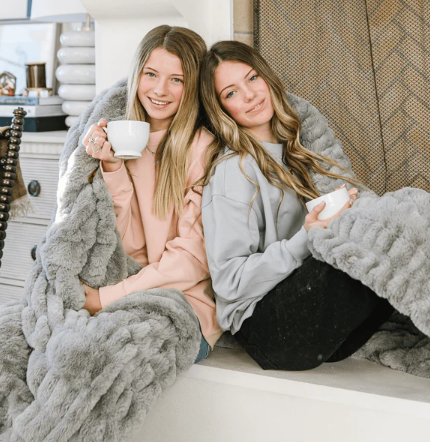
Monochrome interiors rely on balance, contrast, and texture to feel intentional rather than flat. When a space is built around a single color family, every detail matters, from lighting to fabric choices. Soft furnishings play a major role in shaping the final look, and thoughtfully placed grey blankets can introduce warmth, dimension, and visual interest without breaking the cohesive color palette.
The Role of Texture in Monochrome Design
Preventing Flat Visuals
A monochrome interior can sometimes feel one-dimensional if all surfaces share the same finish or tone. Texture becomes the primary design tool for adding depth. Blankets made with plush, woven, or layered fabrics create contrast against smooth walls, sleek furniture, or polished flooring, helping the space feel dynamic and inviting.
Softness as a Visual Anchor
Textiles naturally draw the eye and visually ground a room. A blanket draped over a sofa or chair creates a focal point that softens sharp lines and structured furniture. In monochrome spaces, this softness prevents the design from feeling overly rigid or cold.
Why Grey Works So Well in Monochrome Spaces
A Spectrum of Shades
Grey offers a wide range of tones, from pale silver to deep charcoal. This versatility allows designers to layer different shades without introducing a new color. A lighter blanket can brighten darker interiors, while a deeper shade can add richness to lighter rooms, all while staying within the same visual family.
Neutral Without Feeling Plain
Unlike stark black or bright white, grey carries subtle warmth or coolness depending on its undertone. This nuance makes it ideal for creating interest without distraction. When grey blankets are added to a monochrome setting, they enhance the existing palette rather than competing with it.
Layering for Depth and Dimension
Creating Visual Layers
Layering is essential in monochrome interiors. Blankets placed over seating, at the foot of a bed, or folded into shelving introduce a new layer that adds depth. This layered look creates shadows and highlights that give the room a sense of movement and comfort.
Contrast Through Fabric Choice
Even within the same color, different materials reflect light differently. A matte knit blanket against a smooth leather sofa or a plush fabric over crisp bedding creates contrast that enriches the overall design. This interplay of textures is key to making monochrome interiors feel intentional and curated.
Placement and Proportion
Enhancing Furniture Silhouettes
The way a blanket is positioned can emphasize the shape of furniture. Draped casually, it softens clean lines. Folded neatly, it reinforces structure. In both cases, the blanket adds visual weight that helps anchor larger pieces within the space.
Balancing Open and Closed Spaces
Blankets also help balance open layouts by visually filling space without clutter. A carefully placed blanket introduces density where needed, preventing large monochrome rooms from feeling empty or unfinished. The right proportion ensures harmony rather than excess.
Seasonal Adaptability and Style Longevity
Year-Round Appeal
Grey blankets transition effortlessly between seasons. In colder months, thicker textures add warmth and coziness. In warmer seasons, lighter weaves maintain comfort while preserving the monochrome aesthetic. This adaptability makes them a practical and stylish choice year-round.
Timeless Design Value
Trends come and go, but grey remains a design staple. Its neutrality allows it to evolve with changing decor styles. Investing in high-quality grey blankets ensures they remain relevant as furniture, lighting, or accessories change over time.
Conclusion
Depth in monochrome interiors comes from thoughtful layering, texture, and tonal variation rather than bold color shifts. When chosen with care, grey blankets become more than simple accessories. They add warmth, balance, and dimension, transforming minimalist spaces into inviting environments that feel cohesive, refined, and visually complete.