
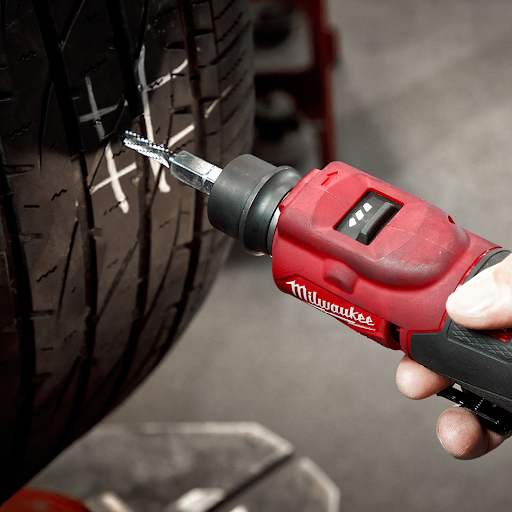
Tire maintenance is a critical part of keeping vehicles safe, efficient, and reliable. Among the various tools and techniques professional mechanics use, tire buffers play a crucial role in restoring, maintaining, and prolonging the life of tires. From smoothing surfaces to preparing tires for repairs, these devices improve precision, speed, and overall quality of service.
Understanding how tire buffers are used and the best practices for their operation can help both seasoned professionals and DIY mechanics appreciate the efficiency they bring to automotive maintenance.
What Are Tire Buffers?
Tire buffers are mechanical tools designed to remove imperfections, smooth surfaces, and prepare tires for repairs or refurbishments. They are commonly used in repair shops and automotive service centers to enhance the quality and durability of tire work.
Key benefits include:
- Removing uneven edges, scuffs, and minor damage
- Preparing tires for patching or vulcanization
- Improving surface contact for better traction and performance
By ensuring tires are evenly prepared, buffers help mechanics deliver safer and longer-lasting repairs.
Using Tire Buffers in Tire Repair
Professional mechanics often encounter various tire issues, from minor cuts to larger abrasions that require restoration. Tire buffers are typically used in several key stages:
- Inspection: The first step is identifying worn or damaged areas. Mechanics assess tire integrity before any repair begins.
- Smoothing Surfaces: Buffers remove rough patches, old rubber residue, and debris. This creates an even surface that allows adhesives or patches to bond effectively.
- Preparation for Repair Kits: Many repairs involve using specialized materials, and smoothing the tire with a buffer ensures these products adhere properly.
For instance, when working on tracks or heavy machinery tires, professionals might use a rubber track repair kit in combination with buffing to fix damaged areas safely and effectively.
Tools That Complement Tire Buffers
While tire buffers are essential, they are often used alongside other tools to ensure professional-grade repairs. A few examples include:
- Rubber Buffing Tool: This handheld tool allows for detailed smoothing and finishing work in areas that larger buffers cannot reach. It helps eliminate minor imperfections and ensures the repair surface is uniform.
- Adhesives and Patching Materials: Once a tire or track has been properly buffed, the use of adhesives and patches ensures long-lasting results.
Using these tools together allows mechanics to address tire damage comprehensively, saving time and reducing the likelihood of repeat repairs.
Best Practices for Using Tire Buffers
To achieve the best results, mechanics follow a few key practices when using tire buffers:
- Safety First: Always wear protective gear, including gloves and eye protection, to avoid injury from debris or high-speed equipment.
- Proper Technique: Buffing should be done evenly, with consistent pressure, to prevent over-thinning the rubber or creating weak spots.
- Regular Maintenance: Clean and maintain buffers to ensure smooth operation and consistent performance.
- Attention to Tire Type: Different tires require different buffer settings and speeds. Professionals adjust accordingly to avoid damaging sensitive materials.
Following these best practices ensures high-quality repairs and extends the life of both tires and buffers.
Conclusion
Tire buffers are indispensable tools for professional mechanics, offering precision, efficiency, and reliability in tire maintenance and repair. They streamline the process of smoothing surfaces, preparing tires for adhesives or patching, and ensuring repairs bond correctly for long-lasting performance. With proper technique, these tools help restore structural integrity while maintaining safety standards.
When paired with specialized equipment such as a tire buffer wheel, even complex repairs become more controlled and consistent, allowing technicians to work with greater confidence and accuracy. This level of precision improves repair quality, boosts customer trust, and extends the usable life of each tire. By mastering tire buffers, professionals reduce repeat issues and deliver results that meet both performance and safety expectations.