
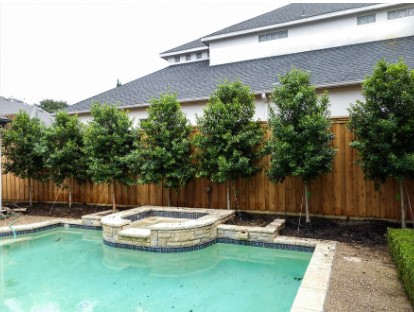
Creating a lush and functional landscape often depends on selecting the right plants for long-term growth and adaptability. The cherry laurel tree is widely valued for its dense foliage, rapid growth, and ability to form natural screens in outdoor spaces. Known for both its ornamental beauty and practical uses, this evergreen plant is commonly chosen for gardens and boundary planting. Understanding its characteristics, benefits, and care requirements can help homeowners and landscapers make informed planting decisions.
What Is a Cherry Laurel Tree?
The cherry laurel tree is an evergreen shrub or small tree scientifically known as Prunus laurocerasus. It belongs to the rose family and is native to parts of Europe and Asia. This plant is recognized for its glossy, dark green leaves and fragrant white flowers that bloom in spring. It can grow between 10 and 25 feet tall, depending on the variety and growing conditions. Its adaptability to different climates and soil types makes it a popular choice for both residential and commercial landscapes.
Key Features and Growth Characteristics
Fast Growth Rate
One of the most notable features of the cherry laurel tree is its rapid growth. It can grow quickly each year, allowing it to form dense hedges or screens in a relatively short time.
Dense Evergreen Foliage
The thick, glossy leaves remain green throughout the year, providing continuous coverage and visual appeal. This makes it an excellent choice for year-round landscaping.
Fragrant Flowers and Berries
In spring, the tree produces clusters of small white flowers with a pleasant fragrance. These are followed by dark berries, which attract birds but are not safe for human consumption.
Versatile Growth Forms
Depending on pruning and care, the plant can be maintained as a compact shrub, a formal hedge, or a small tree.
Benefits of Planting Cherry Laurel Trees
Natural Privacy Screening
The dense growth habit makes the cherry laurel tree highly effective for creating natural barriers. Its thick foliage blocks visibility, noise, and wind, making outdoor spaces more private and comfortable.
Low Maintenance Requirements
Once established, cherry laurel trees require minimal care. They tolerate a wide range of light conditions, from full sun to partial shade, and adapt well to different soil types.
Year-Round Aesthetic Appeal
Unlike deciduous plants, cherry laurels retain their leaves throughout the year, ensuring consistent greenery even during colder months.
Versatility in Landscaping
These trees can be used for hedges, foundation planting, ground cover, or as standalone ornamental features, making them suitable for various design needs.
Ideal Growing Conditions
Light Requirements
Cherry laurel trees can thrive in full sun as well as partial or even deep shade, making them highly adaptable to different environments.
Soil Preferences
They prefer well-drained soil but can tolerate a variety of soil types, including sandy or clay soils, as long as drainage is adequate.
Watering Needs
Regular watering is important during the early stages of growth. Once established, the plant becomes relatively drought-tolerant and requires less frequent watering.
Maintenance and Care Tips
Pruning
Regular pruning helps maintain the desired shape and encourages dense growth. It is typically recommended after the flowering season to avoid affecting new blooms.
Fertilization
Applying a balanced fertilizer during the growing season supports healthy foliage and steady growth.
Common Landscaping Uses
Hedging and Borders
Cherry laurel trees are commonly used to create thick hedges that define property boundaries and enhance privacy.
Windbreaks
Their dense structure helps reduce wind impact, making them useful in exposed areas.
Decorative Planting
With proper pruning, they can also serve as attractive focal points in garden designs.
Conclusion
The cherry laurel tree is a versatile and fast-growing evergreen that offers both aesthetic and functional benefits in landscaping. Its dense foliage, adaptability, and low maintenance needs make it a preferred choice for creating natural screens and structured outdoor spaces. Whether used for hedging, decoration, or boundary definition, it remains a reliable option for long-term planting. For those seeking effective green barriers, options like privacy trees can further enhance seclusion and visual appeal in outdoor environments.