
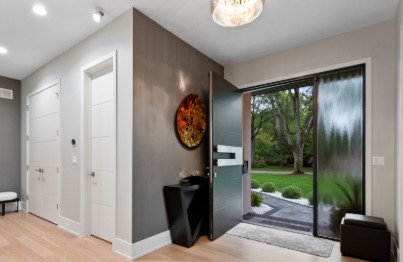
As homeowners and builders become more environmentally conscious, the demand for eco-friendly building materials has grown steadily. One area seeing significant innovation is front door supply, where sustainable design and material sourcing are transforming traditional manufacturing. Whether you’re upgrading your home’s exterior or starting a new construction project, choosing an environmentally responsible front door can make a lasting impact.
Why Choose an Eco-Friendly Front Door?
Traditional front doors—especially those made from non-renewable or chemically treated materials—can have a heavy environmental footprint. From deforestation and energy-intensive manufacturing to reduced energy efficiency, conventional doors are not always sustainable.
Eco-friendly front doors, on the other hand, prioritize low-impact materials, energy performance, and longevity. Choosing green front door supply options can contribute to:
- Lower carbon emissions
- Reduced utility bills
- Improved indoor air quality
- Sustainable resource usage
- Enhanced resale value
Sustainable Materials in Front Door Manufacturing
One of the most important aspects of an eco-friendly front door is the material. Here are some of the most common sustainable materials used in modern front door supply chains:
1. Reclaimed Wood
Doors made from reclaimed wood repurpose timber from old barns, factories, or buildings, giving it new life without cutting down additional trees. These doors often feature unique textures and rich character, offering aesthetic appeal and eco-conscious benefits. Reclaimed wood reduces landfill waste and avoids the carbon emissions associated with logging and processing new timber.
2. FSC-Certified Wood
If reclaimed wood is not available, opting for Forest Stewardship Council (FSC)-certified wood is the next best choice. FSC certification ensures the timber is harvested from responsibly managed forests, where biodiversity, sustainability, and worker rights are protected.
3. Bamboo
Bamboo is one of the fastest-growing plants on Earth and can be harvested in three to five years, making it an ideal renewable resource. Although not traditionally used for doors, engineered bamboo is now being utilized for modern, durable door cores and facings.
4. Recycled Steel and Aluminum
Steel and aluminum doors are known for durability, but they can also be sustainable when sourced from recycled materials. Recycled metals reduce the need for new mining and manufacturing while maintaining strength and weather resistance. These doors often include insulated cores, adding energy efficiency benefits.
5. Fiberglass with Recycled Content
Fiberglass doors are valued for energy performance and durability. Some manufacturers now use fiberglass with recycled content, which helps divert waste from landfills. However, consumers should ensure these doors come from reputable brands with environmental certifications.
The Role of Energy Efficiency in Eco-Friendly Front Doors
Material choice is only part of the sustainability equation. A truly eco-friendly front door must also contribute to your home’s energy efficiency. Poorly insulated doors are a common source of heat loss, forcing your HVAC system to work harder.
Here’s what to look for:
- Insulated cores: Many sustainable doors feature polyurethane foam cores that enhance thermal performance.
- Low-E glass inserts: If your door includes glass panels, ensure they are double- or triple-glazed with low-emissivity coatings to reduce heat transfer.
- Weatherstripping and tight seals: Prevent drafts and maintain indoor temperatures year-round.
Doors that are Energy Star certified or meet the U.S. Department of Energy’s criteria will help reduce energy bills while lowering your carbon footprint.
Certifications to Look For
When researching eco-friendly front door supply options, third-party certifications can help verify a product’s environmental claims. Common labels include:
- FSC (Forest Stewardship Council) – for wood from sustainable forests
- Energy Star – for high-performance energy efficiency
- GreenGuard – for low VOC (volatile organic compounds) emissions
- Cradle to Cradle Certified™ – for products evaluated on material health, reuse, renewable energy, and social fairness
Choosing certified products ensures you’re investing in doors that meet stringent sustainability and health standards.
Maintenance and Longevity
Durability is a cornerstone of sustainability. A front door that lasts 30 years with minimal maintenance is significantly more eco-friendly than one that needs to be replaced or refinished every 10 years.
Sustainable front door materials tend to resist warping, cracking, and pests. Finishes with low or zero VOCs are also preferable to avoid releasing harmful chemicals into your home and the environment.
Responsible Disposal and Recycling
Even at the end of its life cycle, a sustainable door should be recyclable or reusable. For example, metal doors can often be recycled, and reclaimed wood can be repurposed. Always check with local recycling centers or front door supply stores to explore disposal options that align with environmental practices.
Conclusion
As the building industry embraces greener practices, homeowners have more sustainable options than ever when it comes to front door supply. From reclaimed wood and recycled metals to energy-efficient designs and environmentally certified products, making a responsible choice is easier and more impactful than you might think. When selecting the best door for your home, consider working with knowledgeable window and door suppliers who offer eco-friendly product lines and understand the importance of sustainable sourcing. By making informed decisions today, you’re contributing to a greener, more efficient tomorrow.