
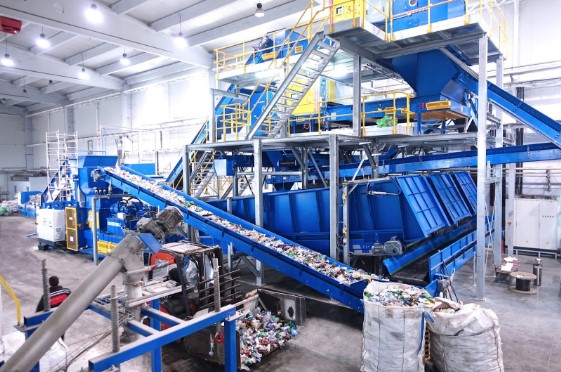
Efficient waste management has become a priority for industries and communities striving to reduce environmental impact. Recycling systems play a crucial role in transforming discarded materials into valuable resources, but the process often requires specialised equipment to handle large volumes of waste. In many recycling facilities, an industrial shredder serves as a key component that helps break down materials and prepare them for further processing.
Recycling operations deal with a wide range of materials, including plastics, metals, paper, and packaging waste. Without proper processing equipment, handling these materials can be slow and inefficient. Shredding technology helps convert bulky items into smaller, manageable pieces, allowing recycling facilities to operate more smoothly and effectively.
Breaking Down Materials for Easier Processing
One of the primary roles of shredding equipment in recycling is to reduce the size of waste materials. Large items such as plastic containers, cardboard boxes, and metal components can be difficult to process in their original form. Shredding transforms these materials into smaller fragments that are easier to sort, transport, and recycle.
Recycling facilities frequently rely on an industrial shredder to handle high volumes of waste quickly. By breaking materials into uniform pieces, shredders prepare them for the next stages of recycling, including sorting, cleaning, and reprocessing.
Improving Material Handling
Smaller material fragments are easier to move through conveyor systems and sorting equipment. This streamlined handling process improves overall workflow efficiency and reduces operational delays in recycling facilities.
Increasing Recycling Capacity
Recycling plants often process large quantities of waste every day. Without the right equipment, managing these volumes can become challenging. Shredders help increase operational capacity by allowing facilities to process more material within a shorter period.
By integrating an industrial shredder into recycling operations, facilities can reduce bottlenecks and maintain a steady flow of processed materials. This increased capacity supports higher recycling rates and improves overall efficiency.
Reducing Storage and Transport Challenges
Bulky waste materials require significant storage space and can be difficult to transport. Shredding reduces the volume of these materials, making them easier to store and move within the facility.
Improving Resource Recovery
The ultimate goal of recycling is to recover valuable materials that can be reused in manufacturing. Effective shredding helps ensure that recyclable materials are properly prepared for recovery processes.
Many recycling facilities utilise an industrial shredder to separate composite materials and expose recyclable components. Once materials are broken down, they can be processed further to extract plastics, metals, or fibers that can be reintroduced into production cycles.
Supporting Sustainable Manufacturing
Recovered materials can be reused to create new products, reducing the need for raw resources. This process contributes to more sustainable manufacturing practices and lowers environmental impact.
Enhancing Environmental Sustainability
Efficient recycling systems play a vital role in reducing landfill waste and conserving natural resources. Shredding technology helps maximise the amount of material that can be recycled rather than discarded.
By improving waste processing efficiency, an industrial shredder supports environmental initiatives aimed at reducing pollution and promoting responsible waste management. Facilities that use advanced shredding technology can process a broader range of recyclable materials.
Contributing to Circular Economy Goals
A circular economy focuses on keeping materials in use for as long as possible. Effective recycling systems help achieve this goal by recovering materials that would otherwise be wasted.
Conclusion
Recycling facilities depend on efficient processing systems to manage large volumes of waste and recover valuable materials. Operations that handle mixed waste streams often rely on systems designed for co mingled recycling to ensure different materials can be effectively separated and reused. By breaking down bulky waste and preparing materials for sorting and recovery, industrial shredder technology plays an essential role in improving recycling efficiency and supporting more sustainable waste management practices.