
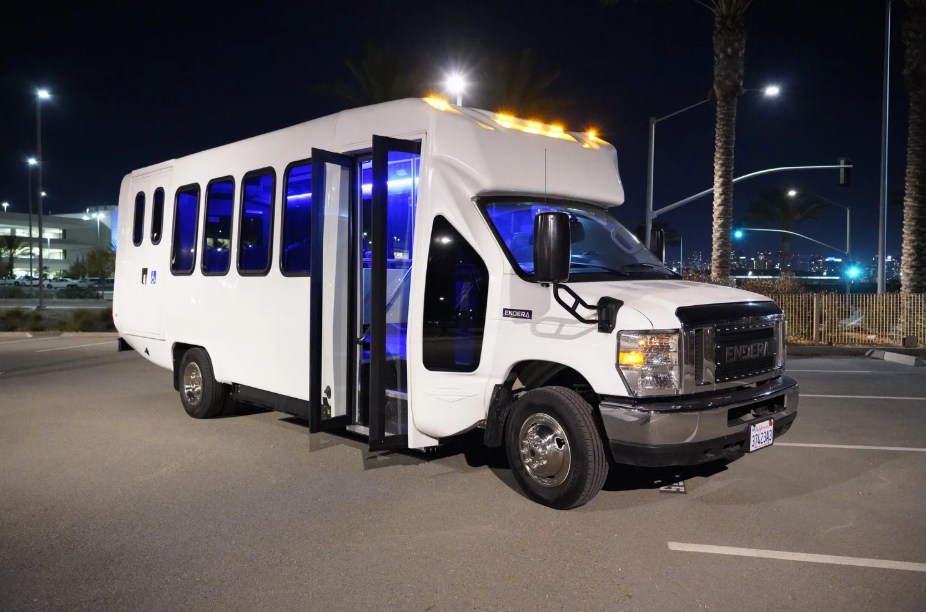
The global shift toward sustainability and innovation has accelerated the adoption of the Electric Commercial Vehicle across industries. Rising concerns about emissions, government policies supporting clean transportation, and advancements in battery technologies have placed these vehicles at the forefront of the transportation sector. By understanding the major trends shaping this market, businesses can make informed decisions when transitioning their commercial vehicles to electric models.
Growing Regulatory Support
One of the strongest market drivers for the Electric Commercial Vehicle sector is regulatory backing. Governments worldwide are setting strict carbon reduction targets and offering incentives to companies that adopt electric transport solutions. For instance, tax rebates, subsidies, and grants are making it easier for organizations to replace older diesel or petrol commercial vehicles with electric alternatives. These regulations not only help reduce greenhouse gas emissions but also position electric mobility as a long-term solution for sustainable growth.
Advancements in Battery Technology
Battery technology advancements are a core factor shaping the future of Electric Commercial Vehicle deployment. Improvements in lithium-ion and solid-state batteries are resulting in longer driving ranges, faster charging times, and reduced production costs. With these developments, electric commercial fleets can now compete more effectively with conventional fuel-based vehicles in terms of efficiency and reliability. As technology improves, the total cost of ownership for electric models continues to decline, making them a more attractive choice for businesses.
Infrastructure Development for Charging
The growth of Electric Commercial Vehicle adoption is closely linked to the expansion of charging infrastructure. Governments and private companies are investing heavily in charging stations to support rising demand. For commercial fleets, the ability to access fast-charging networks or establish private charging hubs is critical for operational efficiency. Without adequate infrastructure, large-scale adoption may face challenges; however, ongoing development is significantly reducing these barriers.
Increased Interest from Logistics and E-Commerce
The logistics and e-commerce industries are leading adopters of electric commercial vehicles. With the rise of online shopping and last-mile delivery needs, companies are under pressure to reduce operational costs while meeting sustainability goals. Transitioning commercial vehicles to electric models helps cut fuel expenses, reduce maintenance needs, and support corporate responsibility initiatives. This trend highlights how demand from logistics providers is fueling large-scale adoption across global markets.
Growing Focus on Total Cost of Ownership
For businesses managing commercial fleets, cost efficiency is often a top priority. While the upfront costs of Electric Commercial Vehicle models can be higher than those of traditional vehicles, long-term savings in fuel, repairs, and government incentives can offset the initial investment. Additionally, many fleet managers are realizing that transitioning to electric provides long-term value while aligning with sustainability targets. This focus on the total cost of ownership is expected to accelerate adoption rates further.
Collaboration Between Automakers and Technology Providers
Automakers are increasingly partnering with technology companies to develop advanced solutions for the deployment of electric commercial vehicles. These collaborations aim to enhance vehicle connectivity, autonomous driving capabilities, and energy management systems. For businesses operating commercial fleets, such innovations promise improved efficiency, better performance tracking, and reduced downtime. The integration of digital technologies into electric transport represents one of the most promising market trends for the future.
Conclusion
Regulatory initiatives, technological advancements, infrastructure growth, and the rising demand from logistics providers are shaping the adoption of electric commercial vehicles. Businesses managing fleet commercial vehicles stand to gain not only financial advantages but also long-term sustainability benefits by transitioning to electric models. As innovation continues to transform the industry, these vehicles are set to play a vital role in reshaping global transportation systems.