
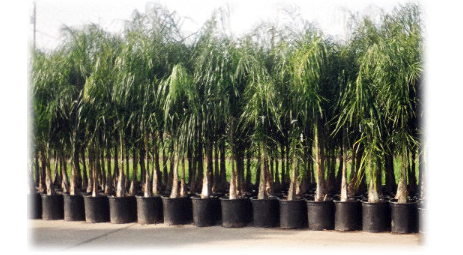
Urban areas are heating rapidly, and the search for natural cooling solutions has become essential. The palm tree plays a surprisingly influential role in reshaping urban comfort. Unlike dense-canopy species, it offers unique microclimate benefits that make it exceptionally valuable in hot cities facing rising temperatures. Its tall, airy structure helps create shade without restricting airflow, and the also contributes to cooling effects that support both human comfort and eco-friendly planning. As cities explore nature-based solutions for climate resilience, the characteristics of this species make it a strong natural companion for heat mitigation.
Why Hot Cities Need Smarter Green Planning
Many growing cities experience extreme heat because buildings, pavements, and vehicles trap and radiate warmth throughout the day. In the middle of this challenge, the palm tree provides an adaptable planting choice that supports cooling without overwhelming limited urban space. Its vertical structure allows it to fit comfortably into narrow walkways, medians, and compact zones while still offering shade that reduces surface temperatures. This makes it extremely helpful in cities where land availability is shrinking, and infrastructure demands continue increasing alongside population growth.
How Palm Trees Influence Urban Microclimates
Increasing urban temperatures require tree species that cool areas without creating dense, wind-blocking canopies, and this is where a palm tree delivers a balance between openness and shade. The shade it creates is dispersed yet effective, lowering radiant heat on sidewalks and public spaces. Because its canopy allows breezes to pass through, heat doesn’t remain trapped beneath it. This combination of airflow and moderated sunlight helps stabilize microclimates around streets, parks, and transit zones. As a result, city planners often incorporate this species into projects where airflow patterns are sensitive or require careful management.
Reduced Maintenance Makes Them Climate-Friendly
Rising temperatures often increase plant stress, prompting municipalities to choose species that require less water and maintenance. A palm tree naturally requires fewer interventions, which leads to lower irrigation needs and reduced upkeep costs. This feature becomes valuable for cities dealing with unpredictable rainfall, restricted water budgets, or large-scale landscaping areas. Its resilience also supports long-term sustainability goals, helping public works teams maintain green corridors without generating excessive resource consumption. This balance of low maintenance and durability positions it as a climate-smart investment for expanding urban greenery.
Enhancing Public Comfort and Walkability
Walkability is a significant factor in sustainable city development, but high temperatures deter residents from using outdoor pathways. When placed strategically along walkways, it helps reduce heat exposure for pedestrians, making outdoor travel more comfortable. The shading pattern it creates can reduce ground temperatures by several degrees, encouraging everyday walking, cycling, and public transit use.
Supporting Urban Aesthetics With Functionality
Cities often struggle to balance aesthetic appeal with practical climate needs, but it offers both qualities without compromise. Its sculptural form enhances modern architecture and coastal environments while serving heat-reduction purposes behind the scenes. For tourism-focused regions, this creates a welcoming atmosphere that aligns with local identity while supporting sustainability.
Why Palm Trees Fit Future Urban Climate Strategies
Future-ready cities must integrate vegetation that can withstand heat while contributing to long-term climate resilience. A palm tree aligns with these goals through durability, adaptability, and heat-moderating capabilities. Its minimal soil requirements make it ideal for dense developments with small planting pits. Its ability to coexist with infrastructure reduces conflicts with overhead wires, sidewalks, and underground utilities.
Conclusion
As urban temperatures continue to rise, city planners must rely on vegetation that improves comfort without demanding excessive maintenance, and this is where species like fruit trees provide additional benefits to long-term climate strategies. These additions help diversify urban green systems while supporting cooling functions that remain stable across seasons. By integrating resilient species into future planning, cities can build landscapes that stay comfortable, efficient, and climate-ready.