
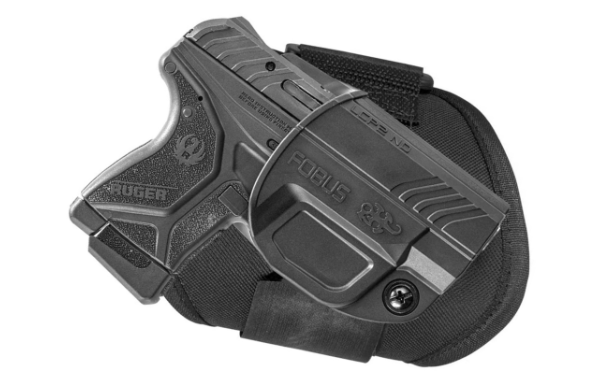
Carrying a firearm safely and effectively requires both knowledge and proper equipment. Among the various concealment options, ankle holsters have become a popular choice for those who need a discreet and accessible way to carry a backup firearm. Despite their convenience, misuse or misunderstanding of ankle holsters can compromise safety, comfort, and accessibility. Learning the most common mistakes—and how to avoid them—can help ensure a secure and efficient carry experience.
Understanding Ankle Holsters
What Are Ankle Holsters?
Ankle holsters are designed to secure a firearm around the lower leg, typically above the ankle and under the pant leg. They are most often used for carrying backup weapons due to their discreet nature and ease of concealment. Unlike shoulder or belt holsters, ankle holsters require careful positioning and regular adjustment to ensure comfort and retention during movement.
Ideal Use Cases
Ankle holsters are well-suited for situations where primary firearms are already carried on the hip or shoulder, or when dress codes limit more conspicuous carry options. They are especially practical for concealed carry enthusiasts, law enforcement officers, and security professionals who require a secondary firearm that can be accessed discreetly without drawing attention.
Common Mistakes to Avoid
Poor Fit and Placement
One of the most frequent errors is improper positioning. Placing the holster too high or too low on the leg can interfere with walking, running, or sitting. Additionally, a loose fit may cause the firearm to shift, creating a safety hazard. For optimal performance, ensure the ankle holster fits snugly around the leg without restricting circulation, and adjust the strap to maintain stability throughout daily activities.
Ignoring Comfort
An uncomfortable ankle holster can quickly become a source of frustration. Thick straps, rigid materials, or poorly designed retention systems may cause chafing or discomfort during extended wear. Investing in a high-quality, ergonomically designed holster reduces strain and ensures the firearm remains securely in place while being easily accessible.
Neglecting Retention Mechanisms
Retention is crucial for safety. Many novice users fail to properly engage the holster’s retention features, such as thumb breaks or tension screws. Without proper retention, the firearm may fall out during physical activity or struggle to be drawn efficiently in critical situations. Regularly check and adjust retention mechanisms to ensure secure and reliable carry.
Wearing Inappropriate Footwear or Clothing
Footwear and clothing choices can impact both comfort and accessibility. Wearing pants that are too tight can restrict draw speed, while shoes that rub against the ankle holster can create irritation. Selecting footwear that accommodates the holster and pants with sufficient clearance ensures smooth draw and comfort throughout the day.
Advanced Considerations
Drawing Technique
Many users underestimate the importance of practicing their drawing. Drawing from an ankle holster requires proper technique, including bending the knee slightly and ensuring the firearm is securely gripped before lifting. Regular practice helps build muscle memory and reduces the risk of fumbling during high-stress situations.
Maintenance and Cleaning
Regular maintenance of the holster is often overlooked. Sweat, dirt, and daily wear can compromise materials and retention features over time. Clean the holster according to the manufacturer’s guidelines and inspect for signs of wear or damage to maintain reliability and longevity.
Selecting the Right Firearm
Not all firearms are suitable for concealed carry on the ankle. Compact or subcompact handguns are generally recommended due to their lighter weight and easier accessibility. Carrying larger models can affect mobility and comfort, and may increase the risk of accidental drops.
Conclusion
Avoiding common mistakes—from poor placement and neglecting retention to inadequate draw practice—ensures a safer, more practical carry experience. Selecting ergonomically designed holsters, practicing regularly, and maintaining equipment are critical steps for safe usage. For those interested in maximizing versatility and reliability, considering holster pistols designed specifically for ankle carry can further enhance comfort, accessibility, and safety, allowing for confident and secure concealed carry in various situations.