
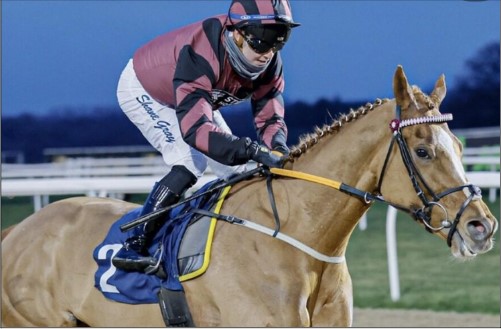
Horse racing has a long and respected tradition in India, with several historic clubs contributing to the sport’s development and popularity. Among them, the Delhi Race Club has played a meaningful role in shaping racing culture in the northern part of the country. Established to promote horse racing and related sporting activities, this club has been an important institution for racing enthusiasts, breeders, trainers, and jockeys. Over the years, the Delhi Race Club has maintained its significance by supporting competitive racing events, preserving traditions, and contributing to the growth of the Indian racing industry.
Historical Significance Of The Delhi Race Club
The Delhi Race Club has a rich history connected with the early development of horse racing in northern India. Horse racing was introduced during the colonial era, and racing clubs quickly became centres of sporting and social activities.
The Delhi Race Club helped establish organised racing events in the region, bringing together horse owners, trainers, and racing enthusiasts. Through regular race meetings and competitions, the club helped promote structured racing standards and professional practices.
Contribution To Racing Culture
Over time, the Delhi Race Club became more than just a racing venue. It evolved into a cultural hub where people gathered to celebrate the sport and enjoy the excitement of competitive racing.
The club’s events attracted spectators from different parts of the region, contributing to the popularity of horse racing as a recreational and sporting activity.
Supporting The Indian Horse Racing Industry
Horse racing in India depends on a network of clubs, trainers, breeders, and race organisers. The Delhi Race Club has played an important role in supporting this network by hosting races and encouraging participation from various stakeholders in the industry.
Platform For Trainers And Jockeys
Racing clubs provide valuable opportunities for trainers and jockeys to showcase their skills. The Delhi Race Club has historically provided a platform for emerging professionals to gain experience and build their reputation within the racing community.
This helps maintain a healthy competitive environment and encourages talent development in the sport.
Encouraging Horse Breeding
Another important aspect of horse racing is breeding high-quality racehorses. Racing clubs contribute to this process by organising events that motivate breeders to improve bloodlines and training standards.
The activities organised by the Delhi Race Club have supported the broader ecosystem of horse breeding and training across the country.
Social And Sporting Importance
Beyond the races themselves, racing clubs often serve as social gathering places where people share their passion for the sport. The Delhi Race Club has traditionally hosted social events, racing festivals, and gatherings that bring together racing fans, horse owners, and sports enthusiasts.
Community Engagement
These events help strengthen the connection between the racing industry and the public. Through its activities, the Delhi Race Club has helped maintain interest in horse racing among new generations of fans.
Promoting Sporting Traditions
Horse racing is considered one of the oldest organised sports in the world. By continuing to host racing events and maintain racing traditions, the Delhi Race Club contributes to preserving this historic sport in India.
Influence On Regional Racing Development
Racing clubs in major cities often influence the development of racing activities in nearby regions. The presence of the Delhi Race Club has encouraged interest in horse racing across northern India.
Local racing enthusiasts, trainers, and horse owners benefit from the infrastructure, expertise, and organised events provided by the club.
As a result, the Delhi Race Club has helped strengthen the regional racing ecosystem and maintain the sport’s presence in the northern part of the country.
Modern Relevance In Indian Racing
Although horse racing has evolved with modern technology and changing audience interests, traditional racing clubs still play an essential role in the sport. The Delhi Race Club continues to represent the legacy and importance of organised racing in India.
By maintaining racing standards and supporting the racing community, the club remains an important symbol of India’s horse racing heritage.
Conclusion
Horse racing in India continues to thrive because of the efforts of historic racing institutions that have supported the sport for decades. Clubs that organise races, encourage participation, and maintain racing traditions play a vital role in preserving the industry.
The excitement and prestige associated with events such as a horse race in Mumbai highlight how different racing centres contribute to the overall popularity of the sport across the country. In this broader racing landscape, the Delhi Race Club remains an important institution that reflects the heritage, passion, and continued growth of Indian horse racing.