
Sydney is one of Australia’s busiest urban centres, with high volumes of household, commercial, construction, industrial, and organic waste generated every day. As population density, business activity, and infrastructure development continue to grow, efficient waste systems are essential for protecting public health, supporting recycling, and reducing pressure on landfill space.
In the middle of this challenge, waste management in Sydney, Australia, plays an important role in how materials are collected, sorted, treated, recycled, and safely disposed of. The process is no longer only about removing rubbish from homes or businesses; it now includes resource recovery, contamination control, environmental compliance, and smarter use of recycling technologies.
Why Waste Management Matters
Effective waste management helps reduce pollution, conserve resources, and keep communities safe. Poorly managed waste can create odours, attract pests, block drainage systems, contaminate soil and waterways, and increase greenhouse gas emissions from landfill.
Modern waste systems focus on recovering useful materials before disposal. This can include paper, cardboard, metals, plastics, glass, timber, concrete, green waste, and food organics. In Sydney, recycling education and correct bin use are also important because contamination can make recyclable materials harder to process.
Main Waste Streams in Sydney
Different waste types require different handling methods. Household waste usually includes general rubbish, recyclables, garden waste, and food scraps. Commercial waste can include packaging, office paper, food waste, plastics, pallets, and damaged goods.
Construction and demolition waste is another major stream in urban areas. It may include bricks, concrete, tiles, timber, plasterboard, metals, soil, and insulation materials. Industrial waste can be more complex because it may involve oils, chemicals, manufacturing residues, wastewater, or regulated materials that require specialist treatment.
Because each waste stream has different risks and recovery potential, waste management in Sydney, Australia, depends on correct separation at the source. When businesses and households separate materials properly, recycling facilities can work more efficiently, and less usable material ends up in landfill.
Collection and Sorting Systems
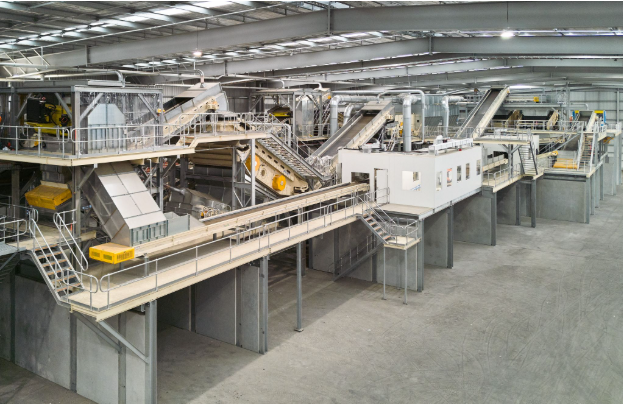
Waste management begins with collection, but the most important work often happens after the material arrives at a transfer station, recycling centre, or processing facility. Waste may be sorted manually, mechanically, or through automated systems depending on the type and scale of the operation.
Sorting helps separate valuable materials from mixed waste. Metals may be removed using magnets or eddy current separators, while plastics, paper, organics, and construction materials may be separated by size, weight, density, or optical identification. Large-scale companies in Australia provide collection, recycling, treatment, disposal, and resource recovery services across many waste streams.
This stage is essential because mixed waste is more difficult and costly to recycle. Good sorting improves material quality, reduces contamination, and supports circular economy goals by returning recovered materials to productive use.
Recycling and Resource Recovery
Resource recovery is a key part of sustainable waste management. Instead of treating waste as a final product, recycling systems aim to recover value from materials that can be reused, remanufactured, composted, or converted into new products.
Paper and cardboard can be pulped and reused in packaging. Metals can be melted and reprocessed. Glass can be crushed and used in new glass products or construction applications. Green waste may be turned into mulch or compost, while some food waste can be processed into soil conditioners or used in energy recovery systems.
For businesses, improved recycling can also reduce disposal costs and support environmental reporting. Many organisations now treat waste management in Sydney, Australia, as part of their broader sustainability planning rather than a basic operational task.
Role of Technology in Waste Processing
Technology has changed how waste is sorted and processed. Mechanical screening, shredding, magnetic separation, optical sorting, baling, composting systems, and data-based collection planning all help improve efficiency. These tools allow facilities to process large volumes of waste with better accuracy and lower labour dependence.
Business Responsibilities
Businesses in Sydney have a major role in reducing waste. Offices, restaurants, warehouses, retail stores, construction companies, manufacturers, and hospitality venues all generate waste that can often be reduced or recovered with proper systems.
Simple measures can make a noticeable difference. These include using clearly labelled bins, training staff, separating cardboard and food waste, reducing single-use packaging, scheduling efficient collections, and reviewing supplier packaging. Businesses can also track waste volumes to identify where materials are being wasted unnecessarily.
A strong workplace waste plan supports compliance, reduces contamination, and improves recycling outcomes. It also helps staff understand their role in creating a cleaner and more efficient workplace.
Challenges in Urban Waste Management
Sydney’s dense urban layout creates logistical challenges. Narrow streets, high-rise buildings, traffic congestion, limited storage space, and mixed-use developments can make waste collection more complex. Apartment buildings may also struggle with recycling contamination if residents do not understand bin rules.
Construction activity adds another challenge because projects can generate large volumes of heavy material in a short time. Without proper planning, recyclable materials such as concrete, timber, and metals may be mixed with general waste. This is why waste management in Sydney, Australia, requires coordination between residents, councils, contractors, businesses, and processing facilities.
Conclusion
Effective waste systems are essential for keeping Sydney clean, reducing landfill pressure, and recovering useful resources from everyday materials. Good waste planning combines correct separation, efficient collection, reliable processing, and public education. As recycling facilities continue to improve, equipment such as a vibrating screen can support better sorting by separating materials according to size and helping remove contaminants. With stronger participation from households, businesses, and industries, waste management in Sydney, Australia, can become more efficient, sustainable, and better aligned with long-term environmental goals.