
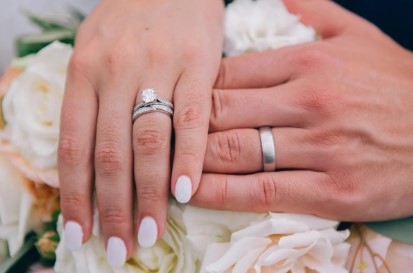
Choosing an engagement or wedding ring involves more than selecting a diamond and a metal. A custom ring allows the design, proportions, setting, gemstone shape, and finishing details to be considered together. For couples looking for Custom diamond rings in Toronto, the process can begin with a sketch, photograph, existing piece of jewellery, or simply an idea for a particular style.
Custom jewellery also makes it possible to review the design before the final piece is produced. Modern jewellery workshops can use computer-aided design (CAD) to create a three-dimensional model, followed by a wax prototype that helps confirm proportions and structure. AGI Design describes a process that moves from an initial design discussion to CAD rendering, a wax prototype, and final production in its Toronto workshop.
What Makes a Diamond Ring Custom?
A custom ring is developed around specific design preferences instead of being limited to a pre-existing finished model. The customization can involve the centre stone, side stones, band shape, metal type, setting style, proportions, and decorative details.
For Custom diamond rings in Toronto, the design process may start with selecting a general style such as a solitaire, three-stone, halo, bezel, or pavé design. From there, details such as band width, stone size, setting height, and metal colour can be adjusted.
AGI Design’s custom process allows clients to bring an idea, sketch, or image and develop it into a 3D design before the ring is produced. This approach provides an opportunity to review the structure and make changes during the design stage rather than waiting until the finished ring is complete.
Diamond Shapes to Consider
Diamond shape is one of the most noticeable characteristics of an engagement ring. Round brilliant diamonds remain a traditional choice, while elongated shapes such as oval, pear, marquise, and emerald can create distinctly different proportions.
Common shapes include:
- Round: A classic symmetrical shape associated with brilliant faceting.
- Oval: An elongated outline that can create a longer visual profile.
- Pear: A teardrop-shaped design combining a rounded end with a pointed tip.
- Marquise: An elongated shape with pointed ends.
- Cushion: A square or rectangular outline with rounded corners.
- Radiant: A rectangular or square shape with brilliant-style faceting.
- Emerald: A step-cut design recognized for its broad, linear facets.
- Asscher: A square step-cut shape with a distinctive geometric appearance.
Current Canadian ring collections can include many of these shapes, and some designs allow the centre stone to be changed between several compatible options.
Understanding the 4Cs
Diamond comparison generally involves the four standard grading characteristics: cut, colour, clarity, and carat weight.
Cut relates to how effectively a diamond’s proportions and facets interact with light. Colour describes the degree of colour visible in a diamond, with higher colour grades generally appearing closer to colourless. Clarity refers to internal and external characteristics, while carat weight measures the diamond’s weight.
Certification can provide a standardized record of these characteristics. Current AGI Design listings, for example, specify details such as centre-stone shape, colour, clarity, cut or polish, and IGI certification.
When comparing diamonds, it is useful to consider all four characteristics together rather than treating carat weight as the only specification. Two diamonds with the same carat weight can have different proportions, colour, clarity, and visual appearance.
Selecting the Ring Metal
The metal is another major component of a custom design. Common precious-metal choices include 14K gold, 18K gold, and platinum.
Gold can be offered in different colours, including white, yellow, and rose. The choice affects the overall appearance of the ring and how the metal contrasts with the diamond. Platinum provides another option for people who prefer its naturally white appearance and dense construction.
Current AGI Design ring specifications list 14K and 18K gold as well as platinum, with white, yellow, and rose gold colour options on applicable designs.
Band width should also be considered. A narrow band creates a different visual balance from a wider band, particularly when paired with a larger centre stone or multiple side stones.
Ring Settings and Structural Details
The setting holds the diamond in position while also influencing how much of the stone is visible. Prong settings use small metal supports around the stone, while bezel settings surround the stone’s edge with metal. Pavé designs incorporate multiple small stones along the band, and halo arrangements place smaller diamonds around a central stone.
Three-stone settings use a central diamond accompanied by two additional stones. Cathedral settings raise the centre stone above the shoulders of the band, while flush-fitting wedding bands can be designed to sit closely beside an engagement ring.
For Custom diamond rings in Toronto, these structural details can be adjusted during the design process. CAD modelling can show the proportions of the setting before production, while a physical wax prototype provides another way to assess scale and structure.
CAD Design and Wax Prototypes
Digital modelling has become an important part of custom jewellery production. A CAD model provides a three-dimensional representation of the proposed ring and allows design elements to be viewed from different angles.
A wax prototype can then provide a physical reference before the final precious-metal version is made. AGI Design states that its custom process uses a 3D CAD model followed by a full-scale wax prototype produced through 3D printing.
This staged approach can be useful for checking band proportions, stone placement, setting height, and overall dimensions. It also creates a defined point at which design adjustments can be made before final casting and stone setting.
Choosing a Custom Ring for Different Styles
Custom jewellery does not necessarily mean creating an entirely unconventional design. A custom ring can reinterpret a familiar style while changing individual elements.
For example, a traditional solitaire can be modified with a different band profile or metal colour. An oval centre stone can be combined with a pavé band, while an emerald-cut diamond can be placed in a minimalist setting. Side stones can also be adjusted in shape, size, and arrangement.
This flexibility is particularly useful when the wearer has a specific proportion or combination in mind that may not correspond exactly to a standard catalogue design.
Reviewing the Finished Specifications
Before production, several details should be confirmed. These can include diamond certification, stone shape and measurements, carat weight, colour and clarity, metal purity, ring size, band width, setting type, and any side-stone specifications.
AGI Design’s individual ring listings demonstrate the level of detail that can be provided for a finished design, including metal purity, metal colour, band width, side-stone information, centre-stone specifications, certification, and production timing.
For a made-to-order piece, production timing is also worth discussing before the design is finalized. Current AGI Design product listings indicate typical made-to-order periods of approximately 14–21 business days, while other information on the site describes approximately two to four weeks from order to delivery.
Conclusion
Custom diamond rings in Toronto can combine a specific diamond shape, metal, setting, band profile, and decorative details into one coordinated design. CAD modelling and wax prototypes can provide useful checkpoints before the final ring is crafted, while diamond certification helps document important stone characteristics. For couples comparing lab grown diamond rings in Canada, the same design principles apply: evaluate the diamond’s shape and grading information, consider the setting and metal together, and review the finished proportions before production. A structured custom process makes it possible to move from an initial idea to a documented design with clearly defined materials and specifications.