
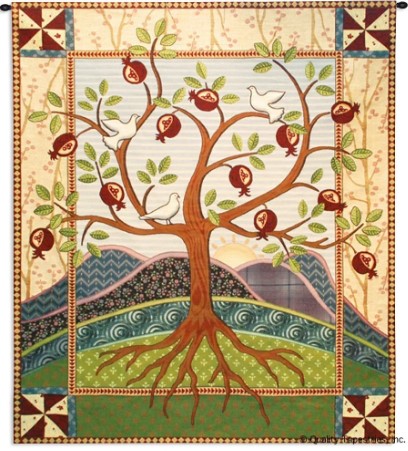
A large tapestry can give an empty wall a stronger sense of character by combining color, texture, and artistic detail in one substantial display. Unlike several small decorations arranged together, a wide woven hanging can establish a clear focal point and influence the atmosphere of an entire room. It may suit a living room, bedroom, office, dining area, hallway, gallery, or hospitality space. Selecting the right piece requires careful attention to scale, orientation, material, mounting, and maintenance.
How Size Affects a Room
A large tapestry can visually connect furniture and décor that might otherwise appear separated across a broad surface. A textile positioned above a sofa, bed, sideboard, or reception desk can help organize the room’s composition. It may also introduce a historical, natural, abstract, or contemporary theme without requiring extensive decoration elsewhere.
Measurements should be taken before choosing a design. Record the wall’s width and height, then consider nearby furniture, windows, doors, light fixtures, and vents. Quality Tapestries presents examples in several substantial dimensions, including a coastal design available at 78 by 53 inches, 100 by 67 inches, and 120 by 80 inches. These variations show why proportion matters when matching artwork to available wall space.
Selecting the Right Orientation
The shape of the wall and the design should work together. Horizontal tapestries may fit naturally above long sofas, dining tables, consoles, and cabinets. Vertical compositions can emphasize ceiling height and work well on narrow walls, stair landings, or beside tall furniture.
Image orientation is equally important. A landscape scene may lose its visual balance if cropped into a narrow vertical format, while a portrait subject can look compressed when forced into a wide rectangle. Review the complete artwork and its aspect ratio before selecting a size. Leaving some open wall around the textile can help the display look deliberate rather than crowded.
Exploring Styles and Materials
Woven wall art is available in many styles, including contemporary abstracts, traditional scenes, medieval imagery, floral designs, landscapes, maps, and historical compositions. The subject should complement the room’s existing colors and purpose. A calm natural scene may work well in a bedroom, while a bold abstract design may suit a modern office or living area.
The material affects weight, texture, drape, and care. Quality Tapestries states that its wall hangings are woven in North Carolina or Europe. Its collection includes cotton designs and European-woven pieces made with wool. Some European textiles are woven in France, Italy, or Belgium, then lined and finished with a rod pocket in the United States.
Planning Installation
Mounting hardware must support the textile’s weight and suit the wall construction. Drywall, plaster, concrete, brick, and wood surfaces may require different anchors or brackets. A rod pocket can provide a practical hanging method, but the rod and supports still need to be firmly secured.
Placement should also account for viewing height and furniture. Artwork above a sofa or bed generally looks more connected when the gap below it is measured carefully. In busy spaces, make sure the hanging does not obstruct doors, pathways, vents, signs, or safety equipment. Avoid placing textiles where they may be repeatedly touched or exposed to splashes.
Protecting Woven Wall Art
Light, moisture, dust, smoke, pests, and unstable environmental conditions can gradually damage textile fibers. Direct sunlight may fade colors, while excessive humidity can encourage mold or unpleasant odors. Regular light dusting should be performed gently and according to the material’s care instructions.
For long-term storage, rolling a large tapestry around a pH-neutral tube is generally preferable to folding it. Acid-free tissue can help protect the surface, while a cool, dry, pest-free location reduces the risk of creasing and deterioration. Valuable or historic pieces should be assessed by a textile conservator before cleaning or repair.
Conclusion
Choosing a large tapestry involves balancing artistic preference with room dimensions, orientation, material, installation, and preservation needs. Quality Tapestries offers woven designs in various styles and substantial sizes, including cotton and European wool options. A carefully measured wall, suitable mounting system, and protected placement can help the artwork remain an attractive focal point for many years. The best selection is one that complements the room while providing enough visual scale to make the wall feel purposeful.