
Woodworking is both an art and a craft, requiring precision, creativity, and the right tools. Whether you are a hobbyist or a professional, wood shaping power tools are essential for transforming rough lumber into smooth, polished projects. These tools save time, improve accuracy, and allow woodworkers to achieve finishes that would be difficult to achieve by hand. This guide explores the types of wood shaping power tools, their uses, and tips for getting the best results.
Why Wood Shaping Power Tools Matter
Wood shaping power tools are designed to streamline the process of cutting, carving, and finishing wood. Unlike manual tools, power tools provide consistent results, increased efficiency, and the ability to handle larger or harder wood pieces. They are especially valuable for professional workshops, furniture makers, and hobbyists who want precise and polished outcomes without excessive effort.
Common Types of Wood Shaping Power Tools
Planers
Planers are used to smooth and flatten rough wood surfaces. They remove thin layers of wood, leveling the surface and preparing it for finishing. Handheld and benchtop planers are popular choices, with larger models available for industrial use.
Routers
Routers are versatile tools for shaping edges, creating decorative profiles, and hollowing out areas in wood. They can be used with various bits to achieve intricate designs, grooves, and joinery. CNC routers provide automated precision for complex woodworking projects.
Sanders
Sanding is essential for smooth finishes, and sanders make the process faster and more uniform. Common types include belt sanders, orbital sanders, and detail sanders. Each type serves a different purpose, from large surface smoothing to intricate corner finishing.
Jointers
Jointers are used to create flat edges and surfaces, which are crucial for tight-fitting joints and precise assembly. They are especially helpful when working with rough-cut boards or preparing lumber for furniture projects.
Shapers
Wood shapers, often referred to as spindle shapers, are powerful tools that allow woodworkers to create detailed profiles and shapes. They are ideal for molding, edging, and custom joinery, providing professional-grade finishes.
Lathes
Lathes are used for turning wood, creating symmetrical shapes such as table legs, bowls, or spindles. They allow for precision shaping and are invaluable for decorative woodworking projects.
Safety Considerations When Using Wood Shaping Power Tools
Using power tools requires attention to safety to prevent accidents and injuries. Key precautions include:
- Always wear safety goggles, hearing protection, and dust masks.
- Keep hands and fingers away from cutting edges and moving parts.
- Use push sticks or guides when working with small or narrow pieces.
- Ensure tools are properly maintained and blades or bits are sharp.
- Follow manufacturer instructions and training for each specific tool.
Tips for Achieving Smooth Finishes
Choose the Right Tool for the Job
Using the correct tool ensures precision and reduces the need for excessive sanding or rework. For example, a planer is ideal for flattening boards, while a router is better for shaping edges.
Select the Appropriate Bits and Blades
Different projects require specific blades, bits, and sanding attachments. Choosing the right accessory ensures clean cuts and professional finishes.
Take Multiple Passes
Removing small amounts of material gradually produces smoother results and reduces the risk of damaging the wood.
Sand and Finish Properly
After shaping, sand progressively using finer grits to achieve a smooth surface. Follow up with appropriate finishes such as varnish, stain, or oil to enhance durability and aesthetics.
Maintain Your Tools
Regular maintenance, including cleaning, lubrication, and sharpening, ensures consistent performance and extends the life of your power tools.
Choosing the Right Wood Shaping Power Tools
When selecting tools, consider:
- The types of projects you plan to undertake.
- The size and hardness of the wood you typically work with.
- Your skill level and comfort with power tools.
- Tool durability, brand reputation, and warranty.
- Budget and whether you need portable or stationary models.
Investing in high-quality tools pays off with better performance, safety, and long-term satisfaction.
Conclusion
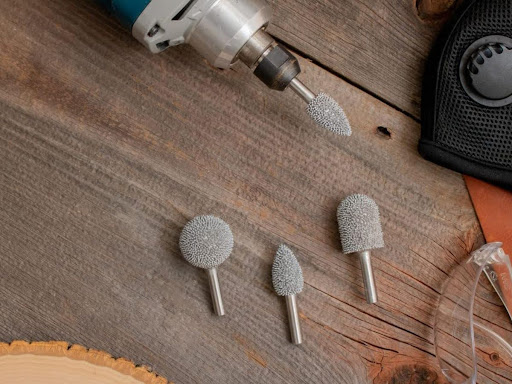
Wood shaping power tools are essential for transforming rough cuts into smooth, professional-quality finishes. From planers and routers to sanders and lathes, these tools enhance precision, speed, and creativity in woodworking projects. Incorporating a carbide burr set allows woodworkers to refine details, carve intricate designs, and achieve flawless edges that are difficult to accomplish with standard tools alone. By understanding the types of tools, using them safely, and applying proper finishing techniques, woodworkers can achieve exceptional results every time. Whether you are creating furniture, decorative pieces, or structural elements, investing in the right power tools and accessories, such as a carbide burr set, ensures your projects are completed efficiently and with a polished, professional finish.