
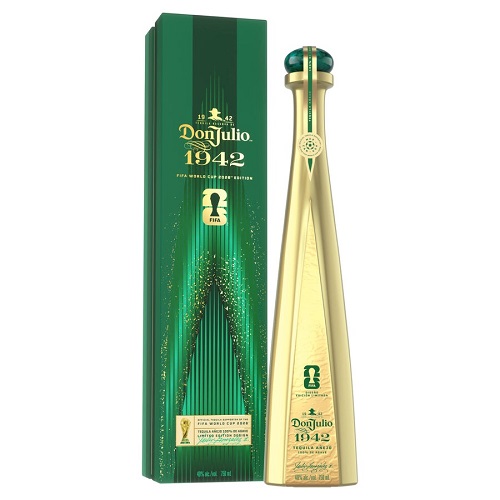
Premium tequila has become a global favorite, which unfortunately makes it a frequent target for counterfeiters. Fake bottles not only disappoint in flavor but may also pose serious health risks. For collectors and casual buyers alike, knowing how to verify authenticity is essential. In the world of high-end spirits, Don Julio stands out for its craftsmanship, smoothness, and heritage, making it especially important to recognize the difference between a genuine bottle and an imitation before making a purchase.
Why Counterfeit Tequila Is a Growing Issue
Rising Demand for Premium Spirits
The increasing popularity of luxury tequila has created a lucrative market for counterfeit products. Fraudsters often replicate popular brands because buyers trust the name and may not inspect bottles closely, especially when purchasing online or from unfamiliar sellers.
Risks of Fake Alcohol
Counterfeit tequila may contain unsafe ingredients, improper alcohol levels, or poor-quality distillates. Beyond financial loss, consuming fake spirits can lead to health complications, making authentication a matter of safety as well as value.
Examining the Bottle Design
Glass Quality and Shape
Authentic bottles are crafted with precision. The glass feels sturdy, evenly molded, and free from bubbles or distortions. Counterfeit bottles often have uneven thickness or poorly finished edges, which can be detected with close inspection.
Label Placement and Print Quality
Labels on genuine bottles are aligned perfectly and printed with sharp detail. Fonts are consistent, ink does not bleed, and colors appear rich. Misspellings, faded text, or crooked placement are common red flags of counterfeit products.
Verifying Seals and Closures
Cap and Cork Inspection
The cap should fit snugly and show no signs of glue residue or tampering. Authentic closures feel solid and well-engineered, while fake ones may appear loose or cheaply made.
Security Features
Many premium bottles include tamper-evident seals or tax stamps. These elements should be intact and professionally applied. A broken or missing seal is a strong indicator that the bottle may not be authentic.
Checking Liquid Quality
Color and Clarity
High-quality tequila is crystal clear or uniformly aged in color, depending on the variety. Cloudiness, sediment, or unusual discoloration can signal contamination or poor production practices.
Aroma and Taste
Authentic tequila delivers balanced aromas and smooth flavors. Harsh alcohol burn or chemical smells often indicate a counterfeit product. While tasting is not always recommended before verification, aroma alone can provide clues.
Confirming Batch and Production Details
Bottle Numbers and Codes
Legitimate bottles feature batch numbers, NOM codes, or production markings that trace back to the distillery. These markings are cleanly printed or etched, not smudged or easily scratched off.
Cross-Checking With Official Sources
In the middle of your inspection process, verifying details related to Don Julio through trusted retailers or official brand information can help confirm whether the bottle matches known specifications for that release.
Buying From Reliable Sources
Authorized Retailers Matter
Purchasing from well-known liquor stores or reputable online platforms significantly reduces the risk of encountering counterfeits. Avoid deals that seem unusually cheap, as premium spirits maintain consistent pricing.
Storage and Handling Signs
Properly stored bottles show no leakage, corrosion, or label damage. Poor storage conditions can indicate mishandling or unauthorized distribution channels.
Final Authentication Tips
Trust Your Instincts
If something feels off, it probably is. Subtle inconsistencies often add up to a clear conclusion when viewed collectively.
Last Visual Review
In one of the final checks, reviewing the overall presentation of Don Julio, including bottle symmetry, branding accuracy, and seal condition, can help you make a confident decision before purchase.
Conclusion
Differentiating authentic tequila from counterfeits requires attention to detail, patience, and informed buying habits. From packaging and labeling to liquid quality and seller reputation, each step plays a role in ensuring a safe and enjoyable experience. Applying these practices across other popular spirits, including Fireball, can help consumers protect both their health and their investment in quality alcohol.