
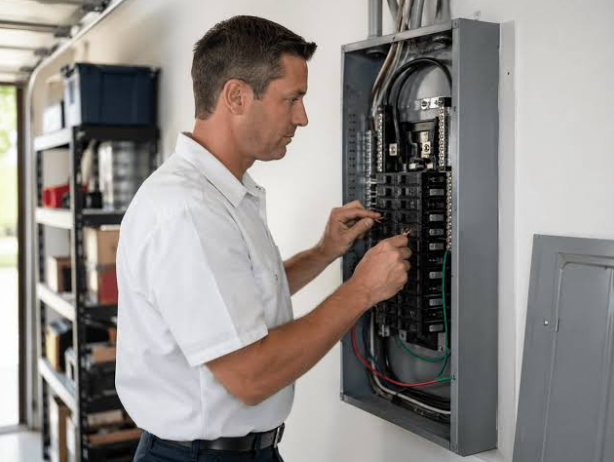
Modern homes rely on electricity for almost every aspect of daily life, from essential appliances and lighting systems to advanced technologies such as electric vehicles, smart home devices, and high-efficiency HVAC systems. As electrical demands continue to increase, older electrical panels may struggle to provide enough capacity, creating the need for upgrades that improve safety, reliability, and performance.
An electrical panel acts as the central point that distributes power throughout a property. When the existing system cannot support modern energy requirements, homeowners may experience frequent breaker trips, limited capacity, or potential safety concerns. An electric panel upgrade in Fountain Hills can help homeowners improve their electrical infrastructure and prepare their properties for current and future power needs. Many Fountain Hills homes require panel upgrades to support features such as high-powered appliances, pools, EV chargers, and advanced electrical systems.
What Is an Electrical Panel Upgrade?
An electrical panel upgrade involves replacing or improving an existing breaker panel to increase electrical capacity, improve safety features, or bring the system closer to current electrical standards.
Older homes often have panels designed for lower electrical demands. While these systems may have worked effectively when homes used fewer appliances, modern households typically require significantly more power.
An upgrade may include:
- Replacing an outdated electrical panel
- Increasing amperage capacity
- Installing modern circuit breakers
- Improving electrical distribution
- Updating related wiring components
- Coordinating inspections and permits
The goal is to create a safer and more efficient electrical system capable of handling a property’s energy requirements.
Signs Your Electrical Panel May Need an Upgrade
Recognizing warning signs early can help homeowners address electrical issues before they become major problems.
Frequent Circuit Breaker Trips
If breakers frequently shut off when multiple appliances operate simultaneously, the panel may not have enough capacity to handle the electrical load.
Flickering or Dimming Lights
Lights that flicker or dim when appliances start running may indicate that the electrical system is under stress.
Limited Space for New Circuits
Modern upgrades such as EV chargers, solar systems, and additional appliances often require new circuits. An older panel with no available breaker space may limit future improvements.
Outdated Electrical Equipment
Some older panels may no longer meet modern safety expectations and may require replacement to improve reliability.
Benefits of an Electric Panel Upgrade in Fountain Hills
Improved Electrical Safety
One of the primary reasons homeowners consider upgrades is improved safety. Modern electrical panels are designed with updated safety features that help manage electrical loads more effectively.
An outdated or overloaded panel can increase risks related to overheating, electrical failures, and system damage.
Supports Modern Appliances
Today’s homes often include energy-intensive equipment such as:
- Electric vehicle chargers
- Home automation systems
- High-efficiency HVAC systems
- Pool equipment
- Additional kitchen appliances
A properly upgraded electrical system provides the capacity needed to operate these technologies safely.
Increased Property Value
Electrical improvements can make a home more attractive to potential buyers. Buyers often prefer properties with updated systems because they reduce concerns about future repairs and upgrades.
Better Energy Management
A modern panel allows homeowners to distribute electrical loads more efficiently. This can improve overall system performance and provide better control over household energy usage.
Understanding Electrical Panel Capacity
Electrical panels are measured by amperage, which represents the amount of electrical current the system can safely handle.
Common residential panel capacities include:
- 100 AMP panels
- 150 AMP panels
- 200 AMP panels
- Higher-capacity systems for larger properties
The correct size depends on the home’s electrical requirements, property size, appliances, and future expansion plans.
The Process of Upgrading an Electrical Panel
Electrical Evaluation
The process usually begins with an assessment of the existing electrical system. Professionals evaluate the current panel, wiring, electrical loads, and future energy needs.
Planning and Permits
Electrical upgrades often require permits and inspections to ensure the work meets local safety requirements.
Panel Installation
The outdated equipment is removed and replaced with a modern panel designed to handle the property’s electrical demand.
Testing and Inspection
After installation, the system is tested to confirm proper operation and compliance with applicable electrical standards.
Choosing the Right Upgrade for Your Home
Every property has different electrical requirements. A smaller home with standard appliances may need a different solution compared with a larger property featuring multiple high-power systems.
Homeowners should consider:
- Current electricity usage
- Future technology plans
- Home additions
- Appliance upgrades
- Safety concerns
A professional evaluation can help determine the most suitable panel capacity.
Preparing Homes for Future Electrical Needs
Electrical demands are expected to continue increasing as more homeowners adopt electric vehicles, renewable energy systems, and smart technologies. Upgrading an electrical panel can help ensure a home remains prepared for future changes.
Modern electrical systems provide flexibility by allowing homeowners to add new devices and technologies without exceeding the limits of outdated infrastructure.
Conclusion
An electric panel upgrade in Fountain Hills can provide homeowners with improved safety, better electrical performance, and the capacity needed for modern living. For properties requiring significantly higher electrical capacity, a 400 AMP panel upgrade may offer the additional power support needed for larger homes and advanced electrical demands, helping homeowners maintain a reliable and efficient electrical system. Whether dealing with an aging system, frequent electrical issues, or plans for future upgrades, improving the electrical panel can be a valuable investment.