
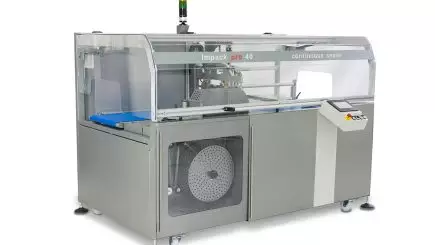
Packaging protects products, improves presentation, and prepares items for storage or shipment. For manufacturers and distributors, choosing suitable equipment can affect production speed, package consistency, and labor requirements. A shrink machine uses heat to tighten shrink film around a product or group of items, creating a neat package. However, not every system suits every operation. Businesses should consider product dimensions, production volume, available space, and automation needs before purchasing equipment. Evaluating these factors helps companies select a system that fits their daily workflow.
Evaluate Your Product Requirements
Start by identifying the products you need to package. Their size, weight, shape, and fragility influence the equipment and film required. Small retail products may suit compact sealing systems, while larger products or multipacks may require industrial wrapping equipment.
Measure your largest products and consider how items will be arranged before packaging. A system should accommodate regular production needs without creating unnecessary handling steps. Businesses should also account for future product changes to avoid choosing equipment that becomes restrictive as their product range expands.
Compare Automation Levels
Packaging equipment is available in manual, semi-automatic, and automatic configurations. Manual systems can suit smaller operations or businesses handling varied products, although they require more operator involvement. Semi-automatic equipment reduces some manual tasks while allowing workers to position products and manage parts of the process.
Automatic systems can support higher output by integrating feeding, sealing, and other packaging stages. However, they may require more floor space, setup, and training. Consider production targets, labor availability, and budget before deciding.
Estimate the number of packages required per shift and compare that figure with equipment capacity. This helps prevent overspending on unnecessary automation or selecting a system that cannot meet demand.
Understand Sealing and Heat Tunnel Options
Sealing and shrinking are two important stages in many packaging processes. A sealing system closes the film around a product, while a heat tunnel applies controlled heat to tighten it. Some machines combine these functions, while others require separate equipment.
L-sealers can suit certain individual products and smaller operations. Side sealers may be appropriate for continuous packaging applications and products with varying lengths. Before selecting a model, check package dimensions, expected throughput, and film compatibility.
Film choice matters, too. Polyolefin and polyethylene films serve different applications, so confirm that the selected equipment supports the intended material and package format. A shrink machine should provide the sealing and heating capabilities needed for your products.
Consider Space and Operating Costs
The purchase price is only one part of the investment. Businesses should also account for electricity, film, maintenance, spare parts, installation, and operator training. Equipment requiring frequent adjustments or extensive manual handling may increase ongoing expenses.
Measure the installation area, including space for conveyors, loading, unloading, and maintenance access. Check electrical requirements and confirm that the facility can support the proposed system.
Ask suppliers about maintenance schedules, technical support, warranty coverage, and spare-part availability. Reliable service can help reduce downtime and keep production schedules on track.
Plan for Future Production
Packaging equipment should fit into the wider production process. Consider how products will reach the machine and how completed packages will leave the line. Compatible conveyors and peripheral equipment can reduce unnecessary handling.
A shrink machine should also accommodate realistic future needs. If production is expected to increase, ask whether the equipment can integrate with additional automation or handle different package sizes. Request a demonstration using representative products to assess package quality, operating steps, and achievable output before purchasing.
Conclusion
Choosing packaging equipment requires balancing product requirements, production volume, available space, and long-term costs. Compare automation levels, confirm film compatibility, and review maintenance support before making a decision. Maripak USA offers industrial packaging equipment, including sealing systems, heat tunnels, and customized solutions for different applications. Selecting a shrink packaging machine that suits current production needs can help businesses maintain consistent packaging, improve workflow efficiency, and prepare for future growth.