
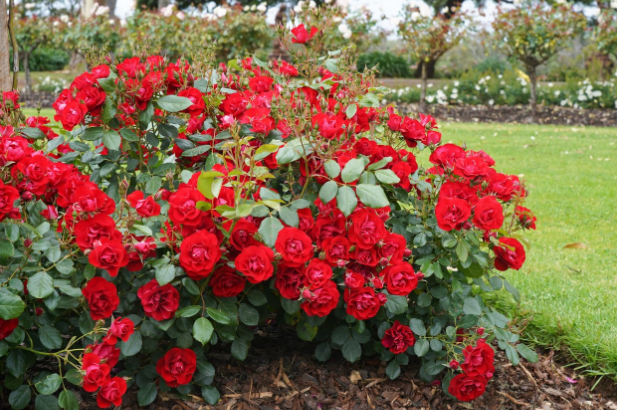
Few flowering shrubs earn as much affection from gardeners as a white rose that blooms from late spring until the first hard frost. Bred in Germany in the 1950s and introduced widely in the following decade, this floribunda has remained a staple in front yards, borders, and cottage-style plantings across the United States. Its flowers appear in waves rather than one big flush, which keeps the garden interesting throughout summer and into autumn. Many gardeners choose Iceberg roses because the clusters of pure white, lightly fragrant flowers stand out against glossy green foliage and combine easily with nearly any other color. The plant is also tougher than many modern roses, tolerating a range of climates and forgiving occasional mistakes. Beyond its looks, it is versatile, working as a hedge, a container specimen, a standard tree rose, or even a climbing form. This article covers the conditions it prefers, the planting and pruning steps that matter most, and the pest and disease habits worth knowing before you begin.
Light, Soil, and Planting Basics
Site selection sets the tone for everything that follows. Iceberg roses perform best with at least six hours of direct sun each day, and morning light is especially valuable because it dries dew from the leaves and lowers the risk of fungal problems. Choose a spot with good air circulation, but avoid places where cold wind funnels through. The plants prefer loamy, well-drained soil with a slightly acidic to neutral pH, roughly 6.0 to 6.5. Heavy clay should be loosened and amended with compost, while sandy soil benefits from added organic matter to hold moisture. Dig a hole about twice as wide as the root ball, and set the plant so the graft union sits at or just above ground level in mild regions, or a couple of inches below the surface where winters are severe. Water deeply after planting, then apply two to three inches of mulch, keeping it a few inches away from the canes. Space plants about three feet apart for hedging, or give them more room if you want a looser, rounded habit.
Pruning, Feeding, and Pest Awareness
Routine care keeps the shrub productive. Prune in late winter or early spring, just as buds begin to swell, removing dead, damaged, or crossing canes and cutting the remaining growth back by about a third to encourage branching. Throughout the season, remove spent blooms to prompt fresh flowering. A balanced rose fertilizer applied in spring and again after the first flush supports steady bloom, and a layer of compost each year improves soil structure. Water at the base rather than overhead, giving the plant about an inch per week during dry spells. Although Iceberg roses are known for decent resilience, they can still develop black spot, powdery mildew, or rust in humid conditions, so good spacing and clean fall cleanup are worthwhile habits. Aphids and spider mites occasionally appear, and a strong spray of water or insecticidal soap often handles light infestations. In colder zones, mound soil or mulch around the base after the ground begins to freeze, and wait until spring to remove protection.
Conclusion
Success with this classic comes down to a few dependable habits: full sun, well-drained soil, timely pruning, and attention to airflow. When these basics are in place, Iceberg roses reward you with months of bright blossoms and very little drama, making them a smart pick for beginners and seasoned growers alike. When you are ready to shop, comparing healthy bare-root or potted plants from nurseries and growers, including Plant Clearance, can help you judge sizes and planting times before you commit. Check that the plant has strong, green canes and a well-developed root system, and plant as soon as conditions allow. Consider pairing the white blooms with lavender, catmint, or ornamental grasses to create contrast in texture and color. Keep a simple seasonal calendar for pruning, feeding, and mulching so nothing is forgotten. With patient, consistent care, your planting will mature into a graceful, long-flowering feature that brightens the landscape year after year.