
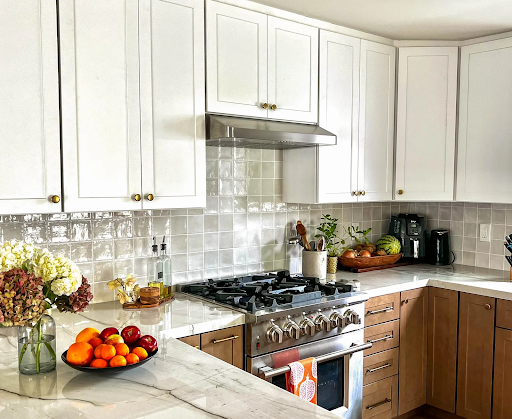
Cooking releases more than aroma into a home. Steam, grease particles, smoke, and combustion byproducts can linger in the kitchen, settle on surfaces, and affect indoor air quality. A properly selected 30 in vented range hood helps remove these contaminants at the source, making it one of the most practical upgrades for a modern kitchen. Because 30-inch cooktops are common in many homes, this hood width is often the most straightforward fit for everyday cooking spaces.
Why Venting Matters
A vented hood, also called a ducted hood, moves cooking exhaust through ductwork and releases it outside. This differs from a ductless model, which filters air and recirculates it back into the room. While ductless hoods can reduce some grease and odor, they do not remove moisture, heat, or combustion-related pollutants as completely as an externally vented system.
For households that fry food, sear meats, use high heat, or cook frequently, a 30 in vented range hood provides a direct path for smoke and grease-laden air to leave the kitchen. This can help reduce lingering odors, limit grease accumulation on cabinets and walls, and create a more comfortable cooking environment.
Matching Hood Width to the Cooktop
Many ventilation guides recommend choosing a hood approximately six inches wider than the cooktop, allowing about three inches of overhang on each side. In practice, a 30-inch hood can still work well for a standard 30-inch range, especially when the hood is positioned at the correct height and has sufficient airflow. For cooks considering broader coverage, a 36 chimney hood is sometimes used above a 30-inch range to add capture area along the edges.
Airflow and CFM Explained
CFM, or cubic feet per minute, measures how much air a hood can move. The right CFM level depends on cooking style, cooktop fuel, kitchen size, and ductwork design.
- 600 CFM is commonly suitable for everyday home cooking, including sautéing, boiling, and moderate frying.
- 900 CFM offers more capacity for frequent cooking, wok-style meals, and higher-heat techniques.
- 1,200 CFM or more is generally reserved for intense cooking, larger ranges, outdoor kitchens, or professional-style setups.
A 30 in vented range hood with adjustable fan speeds allows the user to match ventilation to the task. Lower settings can handle simmering or light cooking, while higher settings are useful when browning, frying, or using multiple burners at once. Variable controls also help balance performance with noise, since maximum airflow is not always necessary for every meal.
Installation Height and Ductwork
Correct installation strongly affects performance. A hood that is mounted too high may fail to capture rising exhaust effectively, while one installed too low can interfere with cooking and create safety concerns. Many manufacturers recommend installing range hoods between 28 and 36 inches above the cooking surface, though the exact requirement depends on the hood model, cooktop type, and local building codes.
Choosing the Right Model
When comparing options, consider the mounting style as well as performance. Under-cabinet hoods fit beneath existing cabinetry and suit compact kitchens. Wall-mounted hoods work well when the cooktop is positioned against a wall. Island hoods are designed for cooktops located in open kitchen layouts, while insert hoods are built into custom cabinetry or decorative surrounds.
A 30 in vented range hood should be selected based on more than appearance. Review the CFM rating, ducting requirements, noise level, filter type, control options, and installation height before making a decision. A model that matches the cooktop and cooking habits will deliver better long-term results than one chosen solely for its design.
Conclusion
Good kitchen ventilation is a functional investment in comfort, cleanliness, and indoor air quality. A well-matched vented range hood captures smoke, grease, and moisture at the source, while the right CFM level and proper installation ensure dependable everyday performance. For cooks who want expanded coverage or a more prominent overhead design, a 36 chimney hood can be a useful alternative. With regular filter cleaning and correct ducting, a quality ventilation system can keep the kitchen fresher and more enjoyable for years.