
Athletic progress begins with training that matches a person’s goals and capacity. Against that foundation, sports nutrition supplements are best understood as tools with different purposes and different levels of scientific support. Some help fill nutrient gaps, some may improve particular types of exercise, and others have little convincing evidence behind their marketing claims. Knowing these differences makes supplement decisions more informed and less dependent on advertising.
Start With Food, Fluid, and Recovery
Carbohydrates replenish glycogen used during activity, protein supports muscle repair, and dietary fats contribute to normal health and energy intake. The relative amounts needed change with training intensity and duration. Endurance athletes generally require more carbohydrate availability than someone performing brief resistance sessions, while strength-focused individuals need enough protein to support adaptation.
Hydration matters because sweat removes both fluid and electrolytes. Water is sufficient for many shorter workouts, but prolonged exercise, heavy sweating, or hot conditions may justify additional sodium and fluid replacement. Sports nutrition supplements cannot reliably offset a chronic shortage of calories, sleep, or recovery time.
Protein and Creatine: Different Functions
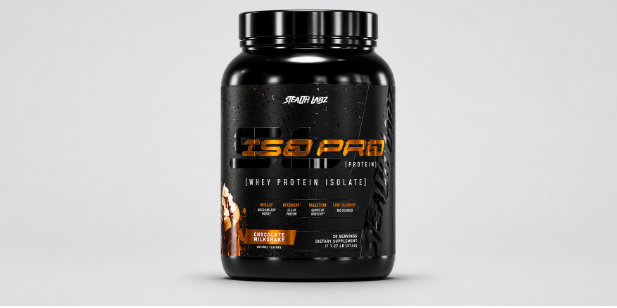
Protein powders are a convenient option for people who struggle to meet dietary protein requirements. They provide amino acids used to maintain and repair muscle, but there is no inherent advantage to powder over an adequate portion of complete protein from food. Total daily intake remains a key consideration.
Creatine monohydrate has stronger research support for repeated, high-intensity efforts such as sprinting and resistance training. It helps replenish phosphocreatine, which contributes to rapid energy production during short bouts of demanding activity. With training, creatine may support improvements in strength and lean mass. It is not a general solution for every endurance event, and early weight changes may partly reflect increased water stored in muscle.
The best-supported sports nutrition supplements therefore depend on the activity being performed. A distance runner and a powerlifter are unlikely to benefit from identical routines, even if their overall fitness goals overlap.
An ingredient should be evaluated against a specific outcome, such as repeated sprint performance or daily protein adequacy. Comparing progress before and after a change is useful, but training variations and expectations can affect the result. Not every perceived improvement demonstrates a supplement effect.
Caffeine, Amino Acids, and Electrolytes
Caffeine can reduce perceived effort and improve performance in some endurance or intermittent activities. Responses vary with habitual intake, sensitivity, and timing. Excessive amounts may cause anxiety, sleep disruption, palpitations, or digestive discomfort, potentially undermining recovery.
Products containing branched-chain amino acids are commonly presented as recovery aids. However, evidence does not consistently show additional muscle or performance benefits when daily protein intake is already sufficient. Complete essential amino acid blends provide a broader set of protein building blocks, but their value still depends on nutritional context.
Electrolyte mixes can help replace sweat losses during lengthy or particularly sweaty sessions. They are not automatically needed during every gym visit. Reviewing the amount of sodium, the exercise environment, and individual sweat losses is more useful than choosing a drink solely because it is marketed to athletes.
Evaluate Labels and Safety Claims
Not all sports nutrition supplements undergo the same level of independent testing. Check the complete ingredient list, the quantity per serving, possible stimulant combinations, and quality certifications. Athletes competing under anti-doping rules should look for credible sport-specific third-party testing because contamination can have consequences even when an ingredient was not listed.
Be cautious of products promising rapid hormonal changes, dramatic fat loss, or guaranteed muscle growth. Dietary supplements are not evaluated for effectiveness before sale in the same way as prescription medicines. Some bodybuilding products have been found to contain undeclared substances, making exaggerated claims a practical warning sign.
Match the Choice to a Measurable Goal
Before adding sports nutrition supplements, identify the specific problem being addressed. Is daily protein insufficient? Does an event require prolonged fueling? Is there evidence that a particular ingredient improves the relevant exercise? Establishing a baseline for diet, training performance, and sleep helps determine whether a purchase is likely to be useful.
Conclusion
Appropriate nutrition strategies are specific to the athlete, activity, and available evidence. Sports nutrition supplements may be useful when they solve a defined problem rather than replace healthy routines. Anyone comparing supplements for muscle gain should prioritize adequate protein, progressive resistance training, and ingredients supported by reliable research. Consistency across weeks matters more than any single product choice.