
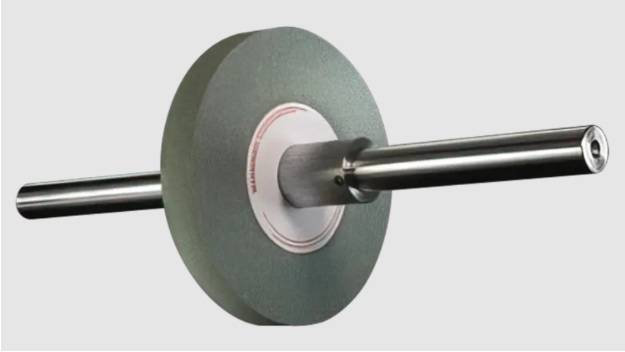
Grinding and surface preparation are essential processes across industries that work with rubber, elastomers, tires, and industrial rollers. The quality of these processes directly affects product performance, durability, and overall manufacturing efficiency. Among the many tools used for material removal and finishing, the rubber abrasive wheel has become a preferred solution due to its ability to provide controlled cutting, consistent finishes, and reduced heat generation.
Modern grinding operations demand precision and reliability, especially when working with rubber-based materials that can be sensitive to excessive friction and heat. Understanding how rubber abrasive wheels function and where they are commonly used can help manufacturers and technicians achieve better results while improving operational efficiency.
What Is a Rubber Abrasive Wheel?
A rubber abrasive wheel is a grinding tool designed to remove material, smooth surfaces, and prepare rubber or elastomer products for further processing. Unlike conventional abrasive wheels that rely solely on friction, many advanced rubber grinding solutions use specialized cutting structures that mechanically remove material while minimizing heat buildup. This approach helps improve surface quality and extend tool life.
Rubber grinding tools are commonly used in industries involving:
- Rubber roller manufacturing
- Tire repair and retreading
- Polyurethane processing
- Industrial sealing products
- Elastomer component production
The versatility of a rubber abrasive wheel makes it an important tool in both manufacturing and repair applications.
Benefits of Using Rubber Abrasive Wheels
Improved Surface Quality
One of the primary advantages of a rubber abrasive wheel is its ability to produce smooth and consistent finishes. Proper grinding helps eliminate irregularities while maintaining the desired dimensions of the workpiece. Advanced grinding technologies are specifically designed to reduce surface defects and improve finish consistency.
Reduced Heat Generation
Excessive heat can damage rubber materials and negatively impact performance. Modern grinding wheels designed for elastomer applications help reduce friction and heat buildup during operation, resulting in safer and more efficient material removal.
Enhanced Tool Longevity
Many grinding solutions utilize durable materials and specialized cutting structures that provide extended service life compared to conventional abrasive products. Longer-lasting tools can help reduce downtime and maintenance costs.
Applications in Industrial Manufacturing
Rubber Roller Grinding
Rubber rollers are widely used in printing, packaging, paper production, and converting operations. Maintaining precise roller dimensions is critical for ensuring consistent product quality.
A rubber abrasive wheel can be used to resurface worn rollers, remove excess material, and achieve specific surface finish requirements. Advanced grinding systems often allow operators to customize wheel configurations based on material hardness and production needs.
Polyurethane and Elastomer Processing
Manufacturers working with polyurethane and elastomer products frequently require precision grinding to achieve exact dimensions and smooth finishes. Proper grinding techniques help improve product performance while reducing manufacturing defects.
In many applications, an abrasive rubber tool provides the control needed to process complex shapes and maintain consistent material quality.
The Role of Carbide Technology in Grinding
Traditional abrasive wheels often wear quickly when processing demanding materials. As a result, many industrial operations utilize grinding solutions that incorporate carbide-based cutting structures.
A Carbide Grinding Wheel is known for its durability, efficient material removal, and ability to maintain cutting performance over extended periods. Tungsten-carbide cutting technologies are widely used in rubber and elastomer grinding because they remove material mechanically rather than relying solely on abrasive friction. This process can improve efficiency while reducing heat and smoke generation.
The use of carbide technology has helped manufacturers increase productivity while achieving more consistent grinding results.
Importance in Tire Repair Applications
Tire repair requires careful preparation to ensure reliable bonding and long-lasting repairs. Surface preparation is often considered one of the most important steps in the repair process.
Grinding and buffing operations create the textured surface needed for proper adhesion of repair materials. Specialized grinding products designed for tire repair can remove damaged rubber while maintaining control and consistency throughout the preparation process. Professional tire repair systems are designed to create a uniform surface texture that supports stronger patch adhesion.
A rubber abrasive wheel is frequently used in these applications because it helps technicians achieve the precise surface condition required for successful repairs.
Choosing the Right Grinding Solution
Selecting the proper grinding wheel depends on several factors:
Material Hardness
Harder rubber compounds often require more aggressive cutting structures, while softer materials may benefit from finer grinding configurations.
Desired Surface Finish
The required finish quality influences the choice of wheel design, grit level, and cutting technology.
Production Requirements
High-volume operations may prioritize durability and material removal rates, while precision applications often focus on surface consistency and dimensional accuracy.
Understanding these factors helps ensure optimal grinding performance and longer tool life.
Conclusion
Rubber grinding technology continues to play a vital role in manufacturing, maintenance, and repair operations. Whether used for roller resurfacing, elastomer processing, or tire repair, a rubber abrasive wheel provides the precision and control needed to achieve high-quality results. For technicians involved in tire repairs, properly selected tire patch preparation tools can further enhance repair quality by creating the ideal surface conditions for strong and reliable bonding. Its ability to reduce heat, improve surface finishes, and support efficient material removal makes it an important component of modern grinding operations.