
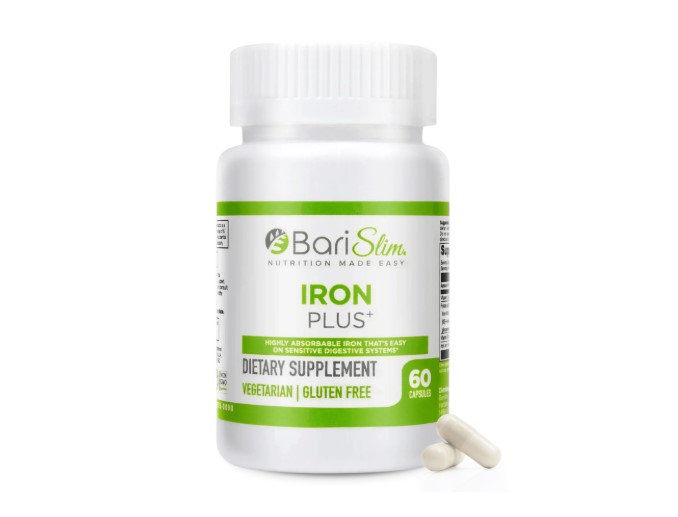
Iron deficiency is one of the most common nutritional concerns following bariatric surgery. Changes to the digestive system can reduce the body’s ability to absorb iron, increasing the risk of iron deficiency and iron-deficiency anemia over time. Because of this, healthcare providers often recommend a bariatric iron supplement as part of a long-term nutritional plan after procedures such as gastric bypass or sleeve gastrectomy.
However, not all iron supplements are created equal. Different forms vary in absorption, tolerability, and suitability depending on the type of surgery and individual nutritional needs. This guide explores the various types of bariatric iron supplements, their benefits, and factors to consider when choosing one.
Why Iron Supplementation Is Important After Bariatric Surgery
Following bariatric surgery, the stomach produces less acid, and portions of the small intestine responsible for iron absorption may be bypassed. These changes can make it difficult to obtain enough iron from food alone, particularly after gastric bypass procedures. As a result, routine iron supplementation and regular blood tests are commonly recommended as part of long-term postoperative care.
Using a bariatric iron supplement may help support healthy iron levels when recommended by a healthcare professional.
Common Types of Bariatric Iron Supplements
Several forms of iron are available, each with unique characteristics.
1. Ferrous Sulfate
Ferrous sulfate is one of the most commonly prescribed forms of oral iron and has long been considered a standard treatment for iron deficiency. It is effective for many patients but may cause gastrointestinal side effects such as constipation or nausea in some individuals.
2. Ferrous Fumarate
Ferrous fumarate contains a higher percentage of elemental iron than some other formulations. It is frequently included in bariatric-specific supplements because it delivers iron in a concentrated form while remaining widely available.
3. Ferrous Gluconate
This form contains less elemental iron per tablet but is often better tolerated by individuals who experience digestive discomfort with stronger formulations.
4. Carbonyl Iron
Carbonyl iron is absorbed more gradually than some traditional iron salts and may reduce the likelihood of gastrointestinal irritation for certain individuals.
5. Chelated Iron
Chelated forms, such as iron bisglycinate, are designed to improve absorption while minimizing digestive side effects. These formulations are commonly found in specialized bariatric supplements.
How to Choose the Right Bariatric Iron Supplement
Choosing the right bariatric iron supplement depends on several individual factors.
These include:
- Type of bariatric surgery
- Current iron levels
- Ferritin and hemoglobin results
- Previous digestive tolerance
- Other vitamin and mineral supplements
- Healthcare provider recommendations
Routine laboratory monitoring helps determine whether supplementation should be adjusted over time.
Features to Look for in a Bariatric Iron Supplement
When comparing products, consider supplements that offer:
- Appropriate elemental iron content
- Easy-to-swallow or chewable formats
- High absorption potential
- Gentle formulation for sensitive stomachs
- Compatibility with long-term supplementation
- Quality manufacturing standards
Some bariatric-specific products also include vitamin C, which may support iron absorption when taken together.
Tips for Maximizing Iron Absorption
Proper timing can improve the effectiveness of iron supplementation.
Healthcare providers commonly recommend:
- Taking iron as directed.
- Avoiding calcium supplements at the same time.
- Separating iron and calcium by several hours.
- Following scheduled blood work.
- Maintaining regular follow-up appointments.
Calcium and iron compete for absorption, so spacing them apart is often advised.
Signs That Iron Levels Should Be Evaluated
Although symptoms vary, individuals should consult their healthcare provider if they experience:
- Persistent fatigue
- Weakness
- Pale skin
- Shortness of breath
- Dizziness
- Reduced exercise tolerance
Only laboratory testing can confirm whether iron deficiency is present, making routine monitoring especially important after bariatric surgery.
Can Diet Replace Iron Supplements?
Iron-rich foods such as lean meats, legumes, spinach, and fortified cereals remain valuable parts of a healthy diet. However, dietary intake alone may not provide sufficient iron after certain bariatric procedures because absorption is significantly altered. Many clinical guidelines therefore recommend supplementation in addition to a balanced diet when medically appropriate.
Why Long-Term Monitoring Matters
Iron needs may change years after surgery. Regular medical follow-up allows healthcare providers to monitor ferritin, hemoglobin, and other nutritional markers while adjusting supplementation when necessary. Long-term adherence to recommended nutritional care plays an important role in maintaining overall health following bariatric surgery.
Conclusion
Maintaining healthy iron levels is an essential part of long-term care after bariatric surgery. With several formulations available—including ferrous sulfate, ferrous fumarate, carbonyl iron, and chelated iron—choosing the most appropriate bariatric iron supplement depends on individual health needs, surgical history, and professional medical advice. A comprehensive postoperative plan often includes bariatric nutrition supplements alongside individualized dietary guidance and regular medical follow-up to address the body’s changing nutritional requirements. Understanding the different types and following recommended monitoring schedules can help support long-term nutritional health.