
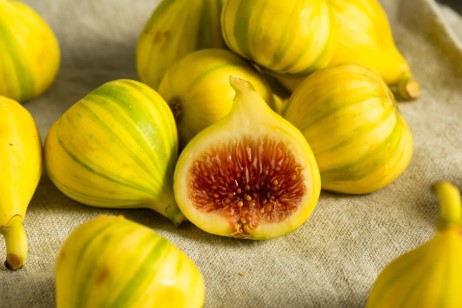
Figs have been cultivated for thousands of years and remain popular today for their sweet flavor and soft, chewy texture. Many home gardeners are drawn to growing their own fig tree because it can adapt to a variety of growing conditions compared to some other fruit-bearing plants. While relatively low-maintenance once established, fig trees still benefit from proper planning around sunlight, soil, and watering. Understanding these basic requirements from the start helps ensure healthier growth and a better chance at a productive harvest in the years ahead.
Selecting the Right Location
Fig trees generally thrive in locations that receive full sun for most of the day, as consistent sunlight supports strong growth and better fruit production. A spot with some protection from strong winds can also help young trees establish more easily. Well-draining soil is important, since fig tree roots are sensitive to prolonged moisture and can suffer if water collects around the base. Choosing an area with good drainage and ample space for root expansion sets the foundation for long-term health. It is also best to avoid low-lying areas where rainwater tends to collect after storms. Providing enough distance from walls, fences, and other large plants can reduce competition and give the tree room to mature properly.
Soil and Watering Guidelines
A fig tree adapts well to a range of soil types but performs best in soil that drains efficiently while retaining moderate moisture. Heavy, compacted soil can restrict root growth and increase the risk of root-related issues. Watering should be more frequent during the establishment period, gradually tapering off as the tree matures. Once established, fig trees tend to be relatively drought-tolerant, though consistent moisture during fruit development can support better yields.
Sunlight and Climate Factors
Sunlight exposure plays a central role in how well a fig tree grows and produces fruit. These trees generally prefer warm climates, though many varieties can tolerate cooler temperatures with proper care. In regions with colder winters, some protection may be necessary to prevent frost damage to branches. Consistent warmth during the growing season supports better fruit ripening and overall tree vigor.
Pruning and Routine Care
Pruning is an important part of maintaining a fig tree’s shape and productivity. Removing dead or damaged branches improves air circulation and reduces the likelihood of disease. Pruning also helps manage the tree’s overall size, which can be useful for gardeners with limited space. Maintenance requirements may vary depending on the tree’s age and how established its root system has become.
Common Challenges to Watch For
Fig trees can occasionally face challenges such as pest activity or issues related to inconsistent watering. Signs like leaf drop, discoloration, or slowed growth can often be linked back to soil drainage or watering habits. Regular observation allows gardeners to catch and address these issues early, helping maintain the tree’s overall health and productivity over time.
The Value of Patience
While fig trees can grow relatively quickly compared to some fruiting plants, they still require time to fully establish before producing a reliable harvest. Consistent care during the early years, including proper watering and occasional pruning, plays a significant role in how well the tree performs in later seasons. Allowing the roots enough time to develop helps create a stronger, healthier tree that can support consistent fruit production. Being patient during this establishment period can lead to larger harvests and better-quality figs in the years ahead.
Conclusion
Growing a healthy fig tree involves careful attention to sunlight, soil drainage, and consistent watering practices. Each stage of development, from initial planting to fruit ripening, depends on maintaining the right balance of these conditions. As with any fruit tree, patience and steady care are essential for long-term success. With the right approach, gardeners can look forward to enjoying homegrown figs for many seasons to come.