
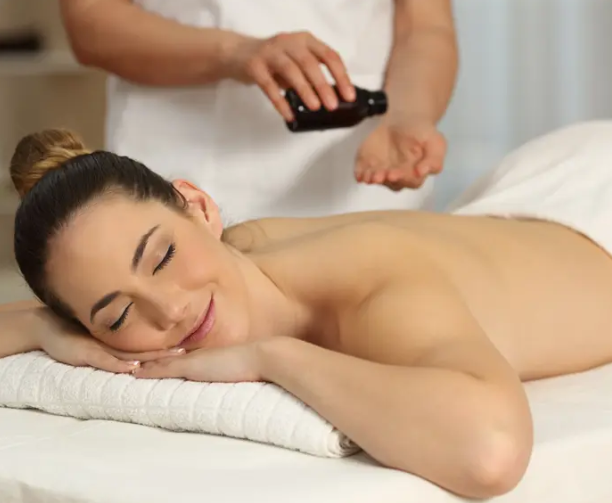
Massage is widely used as a wellness practice and may also be incorporated into care for certain types of discomfort. It involves manipulating muscles and other soft tissues, with different techniques designed for different goals. For people considering a full body massage in San Antonio, understanding the potential benefits, types of massage, safety considerations, and qualifications of practitioners can help them make a more informed choice.
Massage is not a replacement for medical diagnosis or treatment, but research suggests that some forms of massage may provide short-term relief for certain types of pain and may support relaxation. The National Center for Complementary and Integrative Health notes that massage therapy is used both to enhance wellness and to help manage some health conditions.
What Is a Full Body Massage?
A full-body session generally involves working on multiple areas rather than concentrating on a single muscle group. Depending on the technique and the individual’s needs, a session may include the back, shoulders, arms, legs, and other areas.
The exact structure varies between practitioners. Pressure, duration, technique, and areas addressed can all be adjusted based on the client’s comfort and objectives.
Someone researching a full body massage in San Antonio should therefore ask what areas are included before booking. It is also useful to understand whether the session is designed primarily for relaxation, general wellness, muscle tension, or another specific goal.
What Benefits Can Massage Provide?
Research into massage has examined several potential benefits. According to NCCIH, massage may provide short-term benefits for certain types of neck, shoulder, and low-back pain, although the strength of evidence varies between conditions.
Potential wellness-related benefits may include:
- Temporary relief from muscle tension
- Relaxation
- Reduced perception of certain types of discomfort
- Support for general well-being
- Short-term relief for some types of pain
- A dedicated period for rest and relaxation
However, benefits should not be overstated. Research does not establish massage as a cure for most medical conditions, and results can differ from person to person.
How Does Massage Differ by Technique?
Massage therapy encompasses several techniques rather than one standardized procedure. Swedish or classical massage is among the most common approaches, while other techniques may focus on sports recovery, specific muscle groups, or particular therapeutic goals.
The appropriate technique can depend on factors such as:
- Desired pressure
- Areas of muscle tension
- Previous massage experience
- Physical condition
- Wellness objectives
- Practitioner training
When comparing massage in San Antonio, consumers should ask which technique is being provided and whether it matches their expectations.
How Should You Choose a Massage Therapist?
Qualifications are an important consideration when selecting a practitioner. Texas law requires an appropriate license for people practicing or representing themselves as massage therapists, subject to specified exemptions. Texas law also establishes educational requirements for massage therapist licensure, including a minimum 500-hour supervised course of instruction.
Clients can ask about a therapist’s credentials, training, experience, and approach before beginning a session.
A practitioner should also communicate clearly about pressure, comfort, areas being treated, and any relevant health considerations. These conversations can help establish realistic expectations.
What Should You Tell Your Therapist Before a Session?
A client should provide relevant information that could affect the massage. This may include existing injuries, significant health conditions, medications, recent procedures, or areas that are painful or sensitive.
NCCIH advises people to discuss massage with their healthcare providers when they are uncertain whether it is appropriate, particularly when health conditions may affect safety.
Communication during the session is also important. If pressure is uncomfortable or causes pain, the client should communicate this rather than assuming discomfort is necessary for the massage to be effective.
Are There Risks Associated With Massage?
Massage is generally considered to have a low risk of harmful effects when performed appropriately by a trained practitioner. However, rare serious adverse events, including blood clots, nerve injuries, and fractures, have been reported. Some cases have involved vigorous massage or people with increased risk factors.
People taking anticoagulant medications, those with certain bleeding disorders, pregnant individuals, and people with particular medical conditions may require additional precautions or modifications.
This is why a health history and appropriate communication can be important before receiving massage.
How Often Should You Get a Massage?
There is no universal schedule that applies to everyone. Frequency depends on the purpose of massage, personal preferences, budget, physical condition, and practitioner recommendations.
Someone seeking occasional relaxation may choose sessions less frequently than someone using massage as part of a broader wellness routine.
Research also varies considerably by condition and massage schedule. Some studies have examined repeated sessions, while others have evaluated shorter-term interventions, so research findings should not automatically be interpreted as a universal treatment schedule.
What Should You Consider Before Booking?
Before choosing a full body massage in San Antonio, consider the following:
- Verify the practitioner’s credentials.
- Ask what massage technique is being offered.
- Confirm the areas included in a full-body session.
- Discuss pressure preferences.
- Share relevant health information.
- Ask about session duration.
- Understand pricing and cancellation policies.
- Choose a practitioner who communicates clearly about comfort and safety.
These steps can help make the experience more predictable and appropriate for individual needs.
Conclusion
A full body massage in San Antonio can be considered as part of a broader wellness routine, particularly for people seeking relaxation or temporary relief from certain types of muscle discomfort. Research suggests potential short-term benefits for some pain conditions, although evidence varies and massage should not replace appropriate medical care. For people comparing massage therapy in San Antonio, TX, practitioner qualifications, communication, technique, safety, and individual needs should all be considered. Choosing a properly qualified professional in TX and discussing relevant health considerations beforehand can help create a safer and more informed massage experience.