
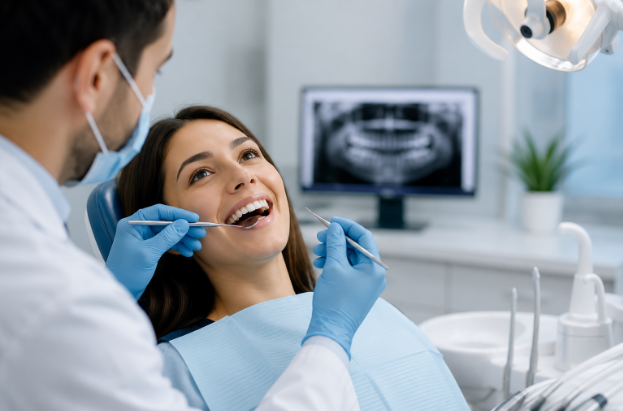
Oral health depends on consistent daily care as well as professional dental examinations and cleanings. Brushing and flossing help control plaque at home, but professional care can identify problems that may not be obvious during everyday routines.
For residents looking for a Windsor dentist, understanding what happens during preventive dental care can make appointments more comfortable and productive. Regular visits can help dental professionals monitor the condition of the teeth and gums, identify potential concerns, and provide personalized advice.
The Canadian Dental Association emphasizes that oral health is part of overall health and recommends regular dental care alongside an effective home-care routine. The appropriate frequency of examinations depends on individual needs and risk factors rather than a single schedule that applies to everyone.
What Happens During a Professional Teeth Cleaning?
A professional dental cleaning generally involves removing plaque and hardened deposits that cannot always be eliminated effectively with ordinary brushing.
In Ontario, dental hygienists are regulated health professionals whose scope includes assessing teeth and surrounding tissues and providing preventive and therapeutic treatment. Scaling is one of the authorized procedures within dental hygiene practice.
During a typical hygiene appointment, the dental hygienist may review the patient’s medical history, examine the mouth, assess the gums, scale the teeth, polish them when appropriate, and provide individualized oral-hygiene education.
The exact procedures performed can vary according to the patient’s oral health and treatment needs.
How Does Scaling Differ From Brushing?
Brushing removes plaque from accessible tooth surfaces, but hardened deposits such as tartar cannot simply be brushed away once they have formed.
Dental hygienists use specialized instruments to remove hard and soft deposits from the teeth. The Ontario Dental Association explains that hygienists scale teeth to remove plaque bacteria and hardened plaque buildup, while polishing may be used to remove certain stains when appropriate.
This is one reason professional cleanings complement, rather than replace, daily oral hygiene.
Regular brushing and flossing remain essential between appointments.
What Is the Role of a Dental Hygienist?
A dental hygienist’s responsibilities extend beyond simply cleaning teeth.
In Ontario, dental hygienists are regulated professionals who focus substantially on oral disease prevention. Their work can include assessing oral tissues, scaling teeth, providing preventive treatment, evaluating gum health, and educating patients about effective oral-hygiene practices.
During an appointment, a hygienist may ask about medications and medical conditions because certain health circumstances can affect dental hygiene treatment.
This information allows the dental team to adapt care when necessary.
When Should You Visit a Dentist?
There is no universal appointment schedule that applies to every person.
Some people may need more frequent dental examinations because of factors such as previous dental disease, gum problems, oral-health habits, medications, age, or other risk factors. Others may require less frequent examinations.
The Canadian Dental Association advises patients to consult their dentist about how often they should receive examinations and professional care.
Rather than automatically following a six-month rule, patients should follow a schedule recommended for their individual oral-health circumstances.
What Can Professional Cleaning Help Prevent?
Good oral hygiene can help reduce the risk of tooth decay and gum inflammation.
Plaque contains bacteria that can contribute to cavities and gum disease when it is not adequately controlled. The Canadian Dental Association recommends brushing twice daily with fluoride toothpaste and cleaning between the teeth every day as part of preventive care.
Professional cleanings provide another layer of preventive care by removing deposits that may remain despite regular home cleaning.
However, a cleaning should not be viewed as a substitute for brushing, flossing, or dental examinations.
Why Is Gum Health Important?
Healthy gums are an important component of overall oral health.
Signs that may indicate gum problems include persistent bleeding during brushing or flossing, swollen or tender gums, redness, sensitivity, and persistent bad breath. The Canadian Dental Association recommends paying attention to these changes and discussing concerns with a dental professional.
During a hygiene appointment, the dental professional may assess the relationship between the gums and teeth, including measuring the spaces around the teeth when indicated.
Early attention to gum-related concerns can help prevent problems from becoming more advanced.
Should You Look for a Dentist Specifically for Cleaning?
When someone searches for a dentist for teeth cleaning, it is useful to understand that dental cleaning may involve both dentists and dental hygienists as part of a broader oral-health team.
Dental hygienists are specifically trained and regulated to provide dental hygiene services, while dentists have a broader scope that includes diagnosing oral disease and providing restorative and surgical dental treatment. The Ontario Dental Association explains that the two professions have different scopes of practice while working together to provide comprehensive care.
A dental practice may therefore involve a hygienist performing the cleaning while the dentist conducts an examination or addresses other clinical concerns.
What Should You Expect During Your Appointment?
A typical hygiene appointment can involve several stages.
First, the dental professional may review your medical history and discuss any changes since your previous visit. The mouth and gums may then be examined before cleaning begins.
Scaling removes deposits from the teeth, while polishing may be performed when appropriate. Depending on individual needs, fluoride or desensitizing treatments may also be considered.
The appointment can also include advice about brushing, flossing, nutrition, tobacco use, and other factors that affect oral health.
This educational component is valuable because the habits maintained between professional appointments have a significant influence on long-term oral health.
How Should You Prepare for a Cleaning?
Preparation is generally straightforward.
Before an appointment, make sure the dental team knows about relevant medical conditions, medications, allergies, or changes in health. If your gums have been bleeding, your teeth have become sensitive, or you have noticed other changes, mention them during the visit.
It can also be helpful to make a list of questions if you are uncertain about your home-care routine.
For example, you might ask whether your brushing technique is effective, which type of interdental cleaner is appropriate, or how frequently your dental team recommends professional care.
What Should You Look for in a Dental Practice?
Choosing a dental practice involves several practical considerations.
Patients can consider:
- Professional qualifications and registration
- Range of dental services
- Preventive-care approach
- Appointment availability
- Communication with patients
- Infection-prevention practices
- Accessibility
- Fees and insurance arrangements
- Approach to patient comfort
Ontario maintains regulatory bodies for both dentists and dental hygienists. Patients can use professional regulatory resources to confirm that practitioners are properly registered. The College of Dental Hygienists of Ontario provides a public tool for finding registered dental hygienists.
Why Is Home Care Still Essential?
Professional cleaning is only one part of maintaining oral health.
The Canadian Dental Association recommends brushing at least twice daily with fluoride toothpaste and flossing daily. Cleaning between teeth is particularly important because brushing alone does not adequately reach every surface.
Lifestyle factors can also affect oral health. Tobacco use, vaping, alcohol consumption, diet, medications, and certain medical conditions may influence oral health risks.
A consistent home-care routine combined with professionally recommended examinations provides a more comprehensive approach.
What Questions Should You Ask About Teeth Cleaning?
Patients should feel comfortable asking questions during dental appointments.
Useful questions include:
- How often should I have my teeth professionally cleaned?
- Are my gums showing signs of inflammation?
- Do I have areas that are difficult to clean?
- Should I change my brushing technique?
- What type of floss or interdental cleaner should I use?
- Do I need fluoride treatment?
- Are there signs of tooth decay or gum disease?
- When should I schedule my next examination?
Asking questions can help patients understand their individual oral-health needs rather than relying on generalized advice.
Why Is Preventive Dentistry Worth Prioritizing?
Preventive dentistry focuses on identifying and managing oral-health concerns before they become more complicated.
The Canadian Dental Association describes prevention as a foundation of maintaining a healthy smile and recommends regular dental examinations alongside daily brushing and flossing.
Professional cleanings can remove accumulated deposits, while examinations can help dental professionals identify signs of decay, gum disease, and other concerns.
This combination makes preventive appointments an important part of long-term oral care.
Conclusion
Choosing a Windsor dentist for preventive care involves more than simply finding a convenient appointment. Patients should consider professional qualifications, preventive services, communication, hygiene standards, treatment options, and an approach that fits their individual oral-health needs. A teeth cleaning dentist search can therefore be a starting point, but the broader goal should be consistent preventive oral care. Regular professional appointments, combined with twice-daily brushing, daily cleaning between the teeth, and attention to changes in oral health, can help support healthier teeth and gums over time.