
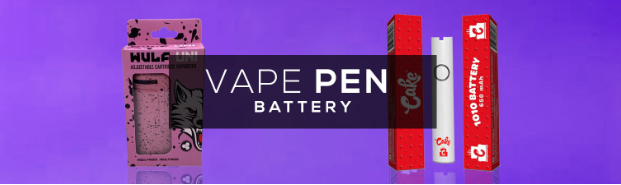
Vape batteries may look simple, but their electrical specifications can have a major impact on how a cartridge or pod performs. Connection type, voltage range, battery capacity, charging method, and built-in protections all matter when matching a power source to compatible vape hardware.
A weed vape battery is the rechargeable power unit used with compatible cannabis or hemp vape cartridges, pods, or concentrate atomizers. Some models use the standard 510-thread connection, while others rely on magnetic or proprietary systems. Choosing the right battery requires more than matching the physical shape, because electrical compatibility is just as important as fit.
What Is a Weed Vape Battery?
A weed vape battery supplies electrical power to the heating element inside a compatible cartridge or pod.
The battery itself does not normally contain the consumable material. Instead, it connects to a separate cartridge or atomizer that houses the oil, concentrate, or other vaporizable material.
When activated, the battery sends current to the heating element. The coil or ceramic element then warms the material enough to produce aerosol.
Depending on the model, activation may happen automatically through inhalation or manually through a button.
What Battery Types Are Common?
Several battery formats are commonly used with vape cartridges.
510-Thread Batteries
The 510-thread format is one of the most common. It uses a screw-style connection that fits many standard cartridges.
A 510-style weed vape battery can be convenient because many compatible cartridges use the same thread pattern. However, users should still check voltage and resistance compatibility.
Magnetic Batteries
Magnetic battery systems use an adapter or magnetic contact instead of direct threading. These designs can make cartridge installation simpler, but the correct adapter is still required.
Proprietary Pod Batteries
Some brands use closed or proprietary connections that only work with specific pods or cartridges.
These systems may provide consistent compatibility within one product family but are less interchangeable with other hardware.
Why Voltage Matters
Voltage determines how much electrical energy reaches the heating element.
Lower voltage settings generally produce gentler heating, while higher settings create more heat. Too much power can overheat the cartridge, reduce flavor quality, or place extra stress on the coil.
A variable-voltage weed vape battery allows the user to adjust output to suit different cartridges.
Many adjustable batteries offer several preset levels, while others use a dial or digital controls. The recommended setting depends on the cartridge design and the resistance of its heating element.
Using the lowest effective setting is often preferable to applying excessive voltage.
What Is Fixed Voltage?
Fixed-voltage batteries operate at one predetermined output.
These models are simpler because there are no power controls to adjust. They can work well when paired with cartridges designed for that specific voltage range.
However, a fixed-voltage weed vape battery offers less flexibility if the user changes to a cartridge with different electrical requirements.
The main advantage is simplicity. The main limitation is reduced control.
Neither fixed nor adjustable voltage is automatically better. The most important factor is compatibility with the intended cartridge or atomizer.
What Does mAh Mean?
Battery capacity is typically measured in milliamp-hours, abbreviated as mAh.
A higher mAh rating generally means the battery can store more electrical energy and may last longer between charges.
For example, a compact pen battery may have a few hundred mAh of capacity, while a larger device may offer significantly more.
However, real-world battery life also depends on:
- Voltage setting
- Heating resistance
- Frequency of use
- Duration of activation
- Battery age
- Temperature
A high-capacity weed vape battery can still drain quickly if it is consistently operated at high power.
What Is Draw-Activated Power?
Draw-activated batteries use airflow sensors.
When the user inhales through the attached cartridge, the battery detects airflow and automatically sends power to the coil.
These systems are generally simple because they do not require a button.
However, clogged airflow channels or incompatible cartridges can interfere with activation.
Draw-activated batteries work best when the cartridge and battery are designed to allow proper airflow through the connection.
How Do Button-Activated Batteries Work?
Button-activated batteries require a manual press to send power to the heating element.
These devices may also support additional functions such as:
- Turning the device on and off
- Changing voltage
- Activating preheat mode
- Checking battery status
- Locking the device
A button-controlled weed vape battery can provide more flexibility than a simple draw-activated model, especially when variable voltage is included.
Users should still follow the manufacturer’s instructions because button combinations and operating modes vary.
What Is Preheat Mode?
Preheat mode gently warms the connected cartridge before normal use.
This feature can be useful when the material inside the cartridge is thick or has become more viscous in colder conditions.
Instead of sending full power immediately, preheat mode typically applies lower output for a short period.
This can help prepare the material for more even heating.
However, repeated unnecessary preheating can consume battery power and place additional stress on the heating element.
Why Resistance Compatibility Matters
Cartridge resistance is measured in ohms.
Resistance affects how much electrical current passes through the heating coil. If the resistance and battery output are poorly matched, performance may suffer.
Possible issues include:
- Weak heating
- Excessive heat
- Error lights
- Automatic shutoff
- Shorter coil life
When comparing a weed vape battery, users should check the supported resistance range where the manufacturer provides one.
Physical fit alone does not guarantee electrical compatibility.
What Safety Features Should a Battery Include?
Modern vape batteries may include electronic protections such as:
- Short-circuit protection
- Overcharge protection
- Overheating protection
- Low-voltage cutoff
- Overcurrent protection
- Automatic timeout
These features can reduce certain electrical risks but do not make damaged hardware safe to use.
A battery that appears swollen, cracked, unusually hot, or damaged around the charging port should not be used.
How Should a Vape Battery Be Charged?
Charging method can vary by battery type.
Common options include:
- USB-C
- Micro-USB
- Threaded USB chargers
- Proprietary charging docks
Users should use the charging method recommended by the manufacturer.
The device should be charged on a stable surface away from excessive heat or flammable materials. Charging should stop if the battery becomes abnormally hot or shows signs of swelling.
How Should Adults Compare Battery Options?
When comparing a weed vape battery, adults should review several specifications together rather than focusing only on size.
Useful details include:
- Connection type
- Voltage range
- Battery capacity
- Supported resistance
- Activation method
- Charging interface
- Preheat functionality
- Safety protections
These factors determine how well the battery will work with the intended cartridge.
Conclusion
A weed vape battery can differ significantly in voltage control, connection type, capacity, activation method, and charging system. Understanding these differences makes it easier to identify whether a battery is technically compatible with a particular cartridge or pod. When reviewing technical listings on Zmarksthespot, adults should focus on voltage range, resistance compatibility, connection type, charging requirements, and built-in protections. Choosing hardware based on these specifications is more reliable than assuming every vape battery works with every cartridge.