
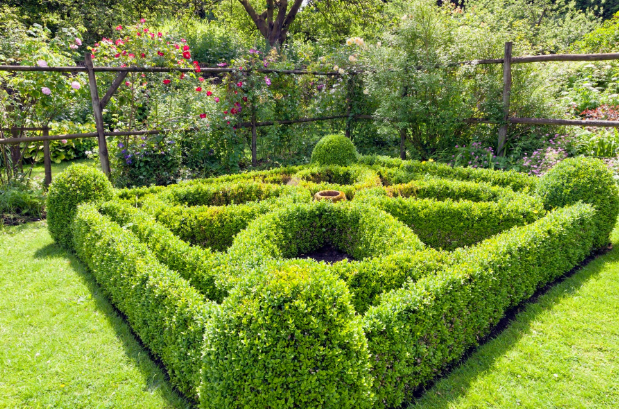
A well-chosen hedge does several jobs at once. It marks property lines, blocks wind, softens noise, and gives birds and pollinators a place to live, all while adding structure to a garden. Hedge plants come in many forms, from tightly clipped evergreens to loose flowering screens, so the best option depends on climate, space, and purpose. Poor selection often leads to bare patches, slow growth, or constant trimming. A little planning at the start saves years of frustration. The sections below cover goals, species, spacing, planting, pruning, and care.
Start With the Purpose of the Hedge
Purpose guides every other choice. A privacy screen needs dense evergreen growth that reaches six feet or more, while a decorative border may only need to stay knee-high. Windbreaks work best with sturdy, deep-rooted species planted in staggered rows, and wildlife hedges benefit from berries and flowers. Consider the final height and width, since many hedges outgrow their space when planted without a plan. Marking the planned line with string or a hose helps visualize the result before digging.
Popular Species and Where They Thrive
Different hedge plants suit different conditions. Boxwood and yew take shearing well and make formal edges, though yew is toxic to pets and livestock if eaten. Arborvitae grows quickly into a tall evergreen screen. Privet and laurel fill in fast but may need frequent trimming. Holly offers dense, prickly protection, and viburnum adds flowers and berries. Checking the USDA hardiness zone on the plant label ensures the species can survive local winters and summer heat.
Soil, Sun, and Spacing Requirements
Sun exposure and soil drainage determine whether a hedge thrives. Most evergreens prefer at least six hours of sun, though some, like yew, tolerate shade. Soggy ground causes root rot, so heavy clay may need amendment with compost or planting on a slight mound. A simple soil test shows pH and nutrient levels. Spacing depends on mature width, and a common range is two to four feet apart for screens, closer for low borders. Planting too tightly invites disease and crowding.
Planting Steps That Set Roots Up for Success
Timing and technique affect how fast hedge plants establish. Early spring or early fall usually works best, since mild temperatures reduce stress. Dig a trench or individual holes about twice as wide as the root ball and no deeper; set each plant at the same level it grew in the container, and backfill with native soil. Water deeply after planting and spread two to three inches of mulch, keeping it away from the stems. Staking may help taller plants resist wind.
Pruning for Density and Shape
Regular pruning builds a full hedge from the base up. Trim lightly during the first years to encourage branching, and shape the sides so the base is slightly wider than the top, letting sunlight reach lower branches. Spring-flowering species are usually trimmed after blooming, while evergreens are shaped in late spring or early summer. Avoid heavy cuts late in the season, which can expose tender growth to frost. Sharp, clean tools make healthier cuts.
Watering, Feeding, and Pest Checks
New hedges need consistent moisture for the first year or two, typically a deep soak once or twice a week without rain. Established plants need less but benefit from watering during dry spells. A slow-release fertilizer in spring supports growth, and fresh mulch conserves moisture. Inspect leaves regularly for discoloration, webbing, or chewed edges, since early detection of pests like aphids, scale, or leaf miners makes treatment simpler. Remove diseased branches promptly to stop spreading. Good airflow between plants lowers fungal problems.
Conclusion
A healthy hedge comes from matching species to purpose, preparing the site, planting at the right time, and keeping up with pruning and watering. Anyone selecting hedge plants should confirm hardiness zone, mature size, and sun needs before buying. Gardeners comparing sources often browse nurseries and online suppliers such as Plant Clearance to see available species and sizes. With patience and steady care, a hedge becomes a lasting feature that adds privacy, beauty, and habitat for years.