
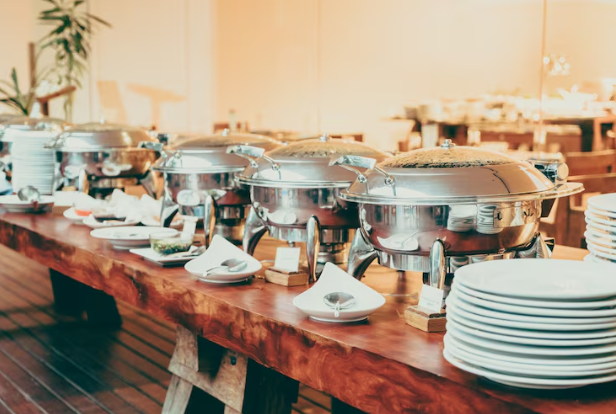
A well-organized bar can become an important part of a private celebration, wedding, birthday, corporate gathering, or other social event. Private bar catering in Minneapolis allows hosts to provide professional beverage service without having to manage every detail themselves. Depending on the event, this can include bartenders, mobile bar equipment, drink preparation, setup, service, and breakdown.
Planning the bar service requires more than deciding what drinks to serve. Guest numbers, venue restrictions, event duration, menu design, staffing, equipment, and responsible alcohol service all need consideration. Understanding these elements can make private bar catering in Minneapolis easier to plan and coordinate.
What Does Private Bar Catering Include?
Private bar catering generally refers to beverage service provided at an event rather than at a permanent restaurant or bar.
Services can vary, but may include:
- Mobile bar setup
- Professional bartenders
- Cocktail preparation
- Beer and wine service
- Non-alcoholic beverages
- Ice and bar supplies
- Glassware or appropriate serving materials
- Alcohol procurement
- Setup and breakdown
- Cleanup related to the bar area
The exact services should be confirmed before an event because packages can differ considerably.
Determine the Number of Guests
Guest count is one of the first details to establish when planning private bar catering in Minneapolis.
A small gathering may need only one bartender and a compact bar setup, while a large wedding or corporate event may require multiple bartenders and more than one service point.
The guest count can influence:
- Number of bartenders
- Amount of ice
- Beverage quantities
- Bar size
- Glassware or serving materials
- Service duration
- Number of drink stations
A higher guest count can also create longer queues if the bar has only one service point. Event planners should therefore consider both the number of guests and how quickly drinks need to be served.
Choose the Right Bar Format
Mobile bar services can use different physical setups depending on the venue and event style.
When choosing a setup, consider:
- Available floor space
- Guest movement
- Electrical requirements
- Access to water
- Venue restrictions
- Distance from storage areas
- Location of food service
- Indoor or outdoor conditions
The bar should be positioned where guests can access it easily without creating congestion around entrances, dining areas, or entertainment spaces.
Build a Practical Beverage Menu
A well-planned beverage menu does not necessarily need dozens of options.
Many private events can work effectively with a combination of:
- A few signature cocktails
- Beer
- Wine
- Sparkling beverages
- Water
- Soft drinks
- Zero-proof cocktails
A smaller menu can help bartenders maintain consistent service while reducing preparation complexity.
The menu should also reflect the event’s duration and guest profile. A daytime gathering may call for a different beverage selection from an evening celebration.
Consider Non-Alcoholic Options
A complete event beverage program should account for guests who do not drink alcohol.
Non-alcoholic cocktails, sparkling water, lemonade, iced tea, soft drinks, and other refreshments can provide alternatives without making guests feel excluded.
This is particularly relevant for corporate gatherings and mixed-age events. Zero-proof drinks can also be designed with the same attention to presentation as alcoholic cocktails.
Offering non-alcoholic choices can make the bar area more useful to the entire guest group rather than only those consuming alcohol.
Think About Event Timing
Service duration affects staffing and package requirements.
A two-hour reception has different needs from a six-hour wedding or corporate celebration. Setup should generally occur before guests arrive, while breakdown takes place after service ends.
When planning the schedule, identify:
- Venue access time
- Bar setup period
- Guest arrival
- Start of beverage service
- Meal or entertainment periods
- Last-call procedures, where applicable
- Bar breakdown
- Final venue departure
Coordinate With the Venue
Venue policies can have a major effect on bar planning.
Before booking private event catering, confirm whether the venue permits outside beverage vendors, whether alcohol must be purchased through a particular provider, and whether there are restrictions on bar placement.
Other questions may include:
- Is there suitable power access?
- Is refrigeration available?
- Is water access required?
- Can the bar be placed outdoors?
- Are there loading restrictions?
- What time can vendors enter?
- Does the venue require proof of insurance?
- Are there specific alcohol-service rules?
Resolving these questions early can prevent logistical problems on the event day.
Plan the Bar Layout
The physical arrangement of the bar can affect both service speed and guest movement.
A bar should ideally have enough space for bartenders to work without interference. Storage areas for bottles, mixers, ice, cups, garnishes, and other supplies should be accessible but organized.
Large events may benefit from multiple service points or a layout that separates ordering from pickup.
For outdoor events, planners should also consider weather protection. Shade, rain protection, stable flooring, and safe access can become important depending on the venue.
Consider Responsible Alcohol Service
Alcohol service should be planned responsibly. Professional bartenders can help manage the service environment, but event hosts should understand the applicable requirements for their venue and location.
In Minnesota, alcohol laws and licensing requirements can vary according to the circumstances of the event, including who is providing the alcohol and where the event takes place. The Minnesota Department of Public Safety provides information about alcohol licensing and regulation.
Hosts should confirm the applicable rules before finalizing an event’s beverage arrangements.
Budgeting for Bar Catering
The total cost of private bar catering in Minneapolis can depend on several factors.
Common cost considerations include:
- Guest count
- Service duration
- Number of bartenders
- Bar setup
- Alcohol
- Cocktail complexity
- Non-alcoholic beverages
- Rentals
- Travel
- Special event requirements
- Additional upgrades
Because packages change, hosts should request a current quote that clearly identifies what is included.
Questions to Ask a Bar Catering Provider
Before booking, ask practical questions about the service.
Useful questions include:
- How many bartenders will attend?
- What is included in the package?
- Is alcohol procurement included?
- Are setup and breakdown included?
- What bar equipment is provided?
- Are non-alcoholic beverages available?
- Can the menu be customized?
- What venue requirements must be met?
- Are additional hours available?
- What happens if the guest count changes?
Clear answers can help hosts compare services based on the actual scope of work rather than headline pricing alone.
Conclusion
Planning private bar catering in Minneapolis involves coordinating guest numbers, beverage choices, staffing, equipment, venue requirements, timing, and responsible alcohol service. A well-designed bar arrangement can also help maintain smooth guest flow and reduce the amount of event-day coordination required from the host. For anyone comparing private event catering, it is useful to review the complete service package rather than looking only at the beverage menu or rental price. Picnic Pours describes mobile bar services that include professional bartenders, setup, alcohol procurement, service, and breakdown, along with different mobile bar configurations and optional upgrades.The most suitable arrangement ultimately depends on the venue, guest count, event format, and level of service required.