
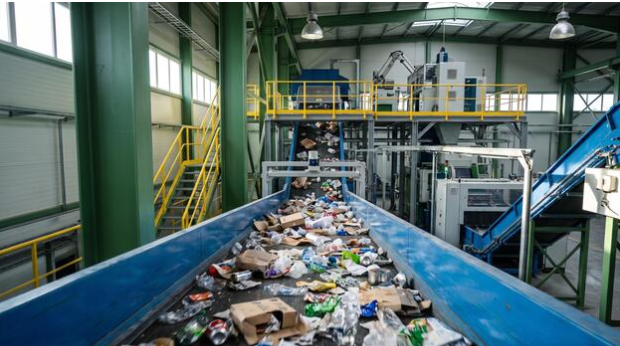
Effective waste handling is an important part of operating businesses, processing facilities, construction sites, and recycling operations. Waste management in Brisbane involves more than simply collecting discarded materials. It can include sorting, processing, recycling, resource recovery, transportation, and compliant disposal.
The right approach depends on the type and volume of material being handled. Plastic, glass, paper, cardboard, organics, textiles, tyres, and mixed waste can require different processing methods. Businesses therefore need to consider their waste streams, available space, processing capacity, and recovery objectives when planning waste management in Brisbane. Queensland’s waste legislation also establishes requirements relating to waste reduction, recycling, regulated waste, waste levies, and resource recovery.
What Does Waste Management Involve?
Waste management covers the activities required to control waste from the point where it is generated through to recovery, treatment, or disposal.
A commercial or industrial system may include:
- Waste collection and handling
- Initial feeding and preparation
- Size reduction
- Screening
- Material separation
- Compaction
- Baling and packaging
- Recycling
- Resource recovery
- Residual waste disposal
The exact combination depends on the waste stream. A facility processing cardboard, for example, may require different equipment and processes from a facility handling mixed construction waste or organic material.
The objective is generally to create a controlled flow in which recoverable materials can be separated and processed efficiently while residual material is directed to an appropriate destination.
Why Waste Separation Matters
Mixed waste can contain materials with very different physical characteristics. Paper and cardboard are relatively light, metals have different densities and magnetic properties, while plastics can vary considerably in size, shape, and composition.
Separating these materials can improve the quality of recovered resources. OGTEC describes systems using screens, ballistic separators, windshifters, magnets, eddy currents, and optical separators to sort different fractions of waste.
For example, magnetic separation can be used to recover ferrous metals, while eddy-current systems can separate non-ferrous metals. Optical sorting can identify materials according to characteristics such as colour and composition.
Better separation can also help reduce contamination between recyclable streams. However, the appropriate technology depends on the specific characteristics of the material being processed.
Common Waste Streams in Brisbane
A waste facility may handle one material or several different streams. Current Brisbane-focused recycling solutions cover a broad range, including plastic, glass, textiles, organics, co-mingled recycling, tyres, skip-bin materials, cardboard, and paper.
Plastic
Plastic recycling can involve sorting different polymer types before further processing. PET, HDPE, and LDPE are among the plastic types commonly handled by recycling systems.
Glass
Glass can be crushed and separated into cullet for use as a recovered material. Removing contamination is an important part of producing a usable recovered glass stream.
Organics
Food and garden waste can be processed through methods such as composting or anaerobic digestion, depending on the facility and intended output. Organics management is particularly relevant where large quantities of food or green waste are generated.
Cardboard and Paper
Cardboard and paper can be separated, processed, and baled for transport. Efficient separation helps maintain the quality of the recovered fibre.
Tyres
End-of-life tyres can be shredded and granulated into materials such as rubber, steel, and textile fractions. Processing requirements depend on the intended recovered products.
How Waste Processing Equipment Supports Operations
Modern facilities often use several processing stages rather than relying on a single machine. Waste management solutions can combine mechanical processing, sorting, automation, and material recovery technologies into a coordinated system.
Size reduction is often an early stage. Shredders and hammermills can reduce large or difficult materials into smaller fractions that are easier to screen or separate. Bag openers can release material from collection bags before it enters subsequent processing stages.
Screens can then classify material according to size. Ballistic separators can distinguish between different physical characteristics, while windshifters use controlled airflow to separate lighter fractions from heavier materials.
The sequence depends on the material and the desired output.
Compaction and Baling
Once recyclable material has been separated, reducing its volume can make storage and transportation more manageable.
Balers compress recyclable materials into dense bales. Wrapping systems can then secure those bales for movement and storage. OGTEC identifies balers and wrappers as components used to improve the handling, storage, and transportation of recovered materials.
Compaction can also be relevant at transfer stations. A transfer station may receive waste, consolidate material, and prepare it for subsequent transport or processing. Integrated systems can include bins, conveyors, compactors, and sorting equipment.
The Role of Automation
Automation is increasingly relevant to larger waste-processing operations because facilities may need to manage substantial material volumes consistently.
Electrical control systems can coordinate equipment and monitor processing stages. Artificial intelligence can be incorporated into sorting and process-monitoring applications, while robotic systems can automate certain sorting tasks. OGTEC lists electrical and automation systems, artificial intelligence, and robotic technology among its waste-processing technologies.
Automation does not eliminate the need for proper facility design or human oversight. Instead, it can be integrated into a broader system designed around a facility’s material flow, safety requirements, maintenance needs, and production objectives.
Designing a Waste Processing System
A suitable waste system should begin with the characteristics of the waste rather than with a particular machine.
Important considerations include:
- Material type and composition
- Average and peak volumes
- Moisture content
- Contamination levels
- Required output quality
- Available floor space
- Storage requirements
- Electricity and infrastructure
- Maintenance access
- Worker safety
- Future processing requirements
Facility layout is also important. Conveyors, sorting systems, shredders, screens, and balers need to work together without creating unnecessary bottlenecks.
OGTEC states that its project development process considers process flow, layout, separation efficiency, product quality, and ease of maintenance when designing waste-processing plants.
Understanding Queensland Waste Requirements
Businesses operating in Queensland need to consider the regulatory requirements that apply to their activities and waste streams. The Queensland Government states that the Waste Reduction and Recycling Act 2011 and Waste Reduction and Recycling Regulation 2023 cover matters including waste strategy, waste levies, priority materials, container refunds, litter, illegal dumping, and end-of-waste codes. Environmental legislation also regulates certain waste-management activities and regulated waste.
The specific requirements can vary according to the type of waste and the activity being undertaken. Businesses should therefore confirm applicable obligations before establishing or modifying a waste-processing operation.
Improving Efficiency Over Time
Waste facilities should not be treated as static systems. Changes in material composition, processing volumes, customer requirements, regulations, or recovered-material markets can affect how effectively a plant operates.
Performance can be reviewed by monitoring factors such as:
- Throughput
- Recovery rates
- Material contamination
- Equipment downtime
- Energy consumption
- Maintenance frequency
- Labour requirements
- Product quality
- Residual waste volumes
Regular maintenance is also important. Conveyors, shredders, screens, separators, compactors, and other machinery can experience wear during continuous operation. Planned inspections and maintenance can help identify problems before they result in significant interruptions.
Conclusion
Successful waste management in Brisbane requires an approach that matches the waste stream, processing volume, recovery objectives, facility layout, and applicable Queensland requirements. Effective systems can combine collection, preparation, sorting, separation, compaction, and resource recovery rather than treating waste as a single material. Businesses evaluating waste management solutions should first understand their material characteristics and operational requirements before selecting individual technologies. This makes it easier to determine which processes and waste management equipment are appropriate for the intended application. A well-planned system can create a more controlled material flow while supporting recycling, resource recovery, storage, and transportation requirements. The most suitable setup will depend on the facility’s specific waste streams and operating conditions.