
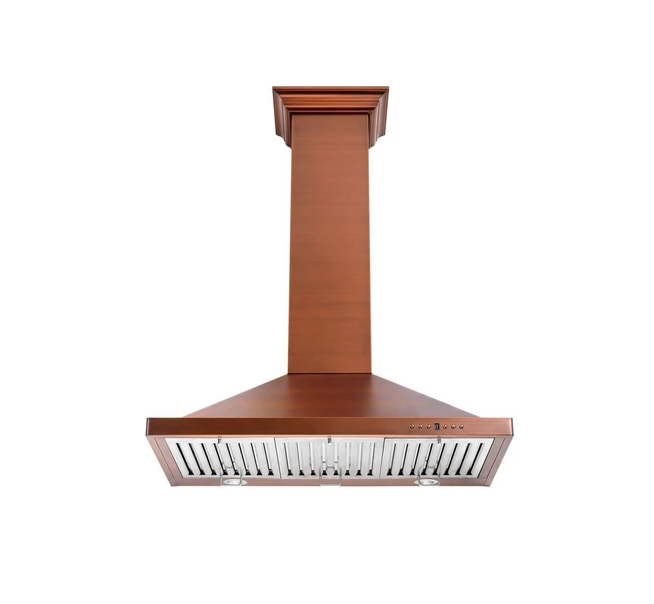
A range hood is an important part of a functional kitchen because cooking can release smoke, grease, odors, moisture, and airborne particles. The right ventilation system can help capture these emissions close to their source while also complementing the kitchen’s overall design. Wall-mounted models are particularly popular for kitchens where the cooking surface sits against a wall, and there is no need to conceal the ventilation system inside cabinetry. When comparing wall-mounted range hoods, homeowners should consider more than appearance. Hood size, airflow, ducting, noise, filters, installation height, and cooking habits all influence performance.
What Are Wall Mounted Range Hoods?
Wall-mounted range hoods are ventilation appliances installed against the wall above a range or cooktop. Unlike under-cabinet models, they are generally visible and often become a noticeable design feature within the kitchen.
They are available in different widths, finishes, shapes, and ventilation configurations. Some feature a traditional chimney-style design, while others have a more contemporary appearance with streamlined panels and controls.
The main advantage is straightforward installation positioning: the hood is centered over a cooking appliance located against a wall. However, proper mounting and ductwork remain essential for effective performance.
Why Kitchen Ventilation Matters
Cooking produces more than food aromas. Frying and high-temperature cooking can generate grease particles, smoke, and other airborne pollutants. Moisture from boiling and steaming can also contribute to indoor humidity.
ENERGY STAR guidance for residential construction recommends local kitchen exhaust that vents directly outdoors and provides appropriate airflow. Its reference guide lists an intermittent kitchen exhaust rate of at least 100 CFM under its specified requirements, along with additional requirements depending on kitchen volume. A range hood therefore needs to be selected and installed as part of the kitchen’s overall ventilation strategy rather than treated simply as a decorative appliance.
Choose the Correct Hood Size
Width is one of the first specifications to consider. Wall-mounted range hoods should provide suitable coverage over the cooking surface so that rising cooking emissions have a reasonable opportunity to enter the capture area.
Measure the range or cooktop before choosing the hood and check the manufacturer’s specific sizing recommendations. Also account for the depth of the appliance and the available wall space.
A hood that is too small may not capture cooking emissions effectively, while an unnecessarily large model may dominate a smaller kitchen.
Understand CFM and Airflow
CFM, or cubic feet per minute, describes the volume of air a hood can move. It is one of the most commonly advertised specifications, but maximum CFM should not be the only factor used to compare models.
Actual ventilation performance depends on several variables, including:
- Cooking appliance type
- Cooking intensity
- Hood dimensions
- Duct diameter
- Duct length
- Number of bends
- Blower design
- Installation quality
ENERGY STAR’s range-hood specifications distinguish between reported airflow, measured airflow, sound level, and efficacy, showing why airflow alone does not provide a complete picture of performance.
For a kitchen where frequent frying, searing, or high-heat cooking takes place, stronger ventilation may be appropriate. A household that mainly prepares lighter meals may have different requirements.
Ducted vs. Recirculating Ventilation
One of the most important decisions is how the hood will handle captured air.
Ducted Wall-Mounted Hoods
A ducted hood sends air through a duct and exhausts it outside. This is generally the preferred configuration when practical because heat, moisture, smoke, and cooking odors can be removed from the home rather than returned to the room.
Duct design matters considerably. ENERGY STAR’s kitchen exhaust guidance provides duct-sizing requirements based on airflow, duct diameter, duct type, and duct length. It also notes that elbows can reduce allowable duct length in certain configurations.
This means a high-CFM hood does not automatically guarantee strong real-world performance if the duct system is poorly designed.
Recirculating Hoods
A recirculating configuration filters cooking air and returns it to the kitchen. This can be useful when exterior ducting is not feasible, but it does not remove indoor heat and moisture in the same way as an externally vented system.
If choosing recirculation, check the availability and replacement schedule of the required filters.
Consider Installation Height
Wall-mount range hoods affect both safety and capture performance. The correct distance depends on the hood, cooking appliance, manufacturer specifications, and applicable installation requirements.
For example, one Broan installation guide specifies a mounting range of 18–24 inches above the cooking surface for its particular hood and instructs installers to secure the unit to appropriate wall framing or use suitable anchors when framing is unavailable.
Because clearances vary between products, the manufacturer’s installation instructions should always take priority over a generic measurement.
Look at Noise Levels
A powerful hood can generate noticeable sound, especially when operating at its highest speed. This can matter even more in an open-concept kitchen where the cooking area connects directly to a dining or living space.
When comparing models, look for published sound ratings in addition to airflow. ENERGY STAR’s current range-hood specifications include reported sound level as a performance characteristic.
Multiple fan speeds can also be useful because they allow homeowners to use lower airflow for everyday cooking and increase ventilation when preparing foods that produce more smoke or grease.
Choose Filters That Are Easy to Maintain
Filters capture grease and other particles before they reach the ventilation system. Their maintenance requirements depend on the design.
Many wall-mounted hoods use removable metal filters that can be cleaned periodically. Before buying, check how easily the filters can be removed and cleaned.
Maintenance should not be overlooked. A heavily contaminated filter can affect airflow and contribute to grease accumulation around the hood.
Match the Hood to Your Kitchen Design
Because a wall-mounted hood remains visible, its appearance can influence the overall character of the kitchen.
Common considerations include:
- Stainless steel finishes
- Black or dark finishes
- Glass accents
- Chimney-style designs
- Minimalist contemporary profiles
- Professional-style appearances
The hood can either blend with the cabinetry and appliances or serve as a visual focal point above the range.
Think about proportions as well as finish. A large professional-style hood may look appropriate in a spacious kitchen but overwhelm a compact cooking area.
Check the Ductwork Before Installation
Ductwork should be planned before the hood is installed. The route should be as direct as practical while meeting the manufacturer’s requirements and applicable building codes.
The installer should consider duct size, length, bends, termination, electrical requirements, and access for servicing.
Wall-mounted hood installation guides can require specific wall framing and mounting arrangements, so the wall structure should be evaluated before installation begins.
Planning these details early can help avoid modifications after cabinetry, backsplash materials, or other finishes have already been installed.
How to Choose the Right Wall-Mounted Hood
Before purchasing, compare the following factors:
- Width: Make sure the hood is appropriate for the range or cooktop.
- Airflow: Choose capacity based on cooking habits and appliance requirements.
- Ducting: Determine if the kitchen can support exterior exhaust.
- Noise: Review sound ratings if quiet operation is important.
- Filters: Check cleaning and replacement requirements.
- Controls: Consider touch controls, buttons, remote controls, or other available options.
- Lighting: Integrated lighting can improve visibility over the cooking surface.
- Finish: Select a style that works with the kitchen’s other materials and appliances.
- Installation: Confirm clearances, electrical requirements, and duct specifications before purchasing.
Conclusion
A well-chosen wall-mounted hood can combine effective kitchen ventilation with a strong visual presence. The best option depends on the size of the cooking surface, cooking habits, available ductwork, desired airflow, noise tolerance, maintenance requirements, and kitchen design. When comparing range hoods wall mounted, homeowners should evaluate the complete ventilation system rather than focusing only on maximum CFM or appearance. Proper duct design, installation height, and maintenance can have a meaningful effect on real-world performance. A hood that fits the cooking surface, suits the kitchen’s ventilation setup, and matches everyday cooking needs can provide a practical combination of comfort, functionality, and design.