
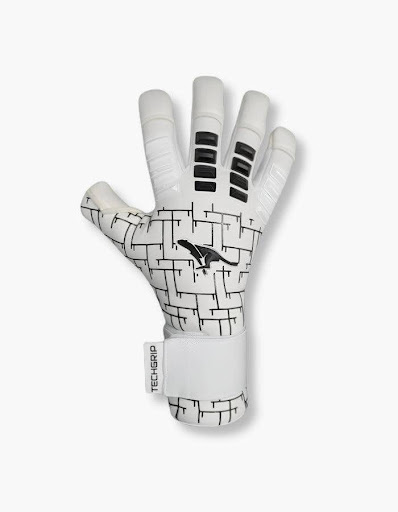
A goalkeeper plays a unique role on the football field. Every save, catch, and quick reaction can influence the outcome of a match. While positioning, concentration, and practice are essential, having the right equipment also makes a difference. Gloves are among the most important pieces of a goalkeeper’s kit because they help with grip, comfort, and hand protection.
Choosing a suitable pair is not simply about appearance. Factors such as fit, palm material, finger construction, and playing conditions should all be considered. Understanding these features can help goalkeepers find equipment that suits their style and level of play.
Why the Right Gloves Matter
A goalkeeper regularly handles shots, crosses, and unpredictable rebounds. A well fitting pair of gloves can provide a more secure feel when catching or pushing the ball away.
The palm material plays an important role in grip. Different materials offer different levels of grip, durability, and performance depending on the surface and weather conditions. The fit also matters because gloves that are too loose may affect ball control, while an overly tight pair can restrict natural hand movement.
When comparing goalkeeper gloves, players should look beyond appearance and consider how the design feels during training and competitive matches.
Understanding Different Glove Cuts
One of the main differences between goalkeeper gloves is the way the material is shaped around the fingers and palm. Glove cuts influence the fit, contact area, and overall feel.
Common designs include flat cut, roll finger, negative cut, and hybrid constructions. Each option has its own characteristics, and the best choice depends on personal preference.
Flat Cut
Flat cut gloves generally have a traditional shape with stitched panels around the fingers. They can offer a comfortable fit and are often considered by players who prefer a roomier feel.
Roll Finger Cut
In this design, the palm material wraps around the fingers. This creates a rounded shape and provides a close contact feel between the latex and the ball.
Negative Cut
Negative cut gloves use stitching on the inside of the fingers. This can create a closer fit, making them an option for goalkeepers who prefer a snug feel and greater awareness of finger movement.
Hybrid Cut
Hybrid designs combine features from different glove cuts. The exact construction depends on the model, so it is worth checking how the palm and finger panels are shaped before choosing a pair.
What Makes Hybrid Designs Worth Considering?
Hybrid cut goalkeeper gloves combine elements of different constructions to offer a particular balance of fit, comfort, and ball contact. Depending on the design, they may use different cuts across the fingers to create a more personalised feel.
This construction can appeal to goalkeepers who do not want to be limited to the characteristics of a single cut. However, hybrid designs are not automatically better for every player. Comfort and control still depend on the individual hand shape, glove sizing, and materials used.
Before purchasing, players should check the product details to understand which cuts have been combined and how the glove is designed to fit.
Important Features to Check Before Buying
Selecting gloves becomes easier when players understand the features that affect everyday use.
Palm Material and Grip
The palm is the part that comes into direct contact with the ball. Latex is commonly used because it can provide grip, although its performance varies according to the formulation, thickness, and playing conditions.
Softer latex may offer strong grip but can wear more quickly. More durable materials may suit regular training, where gloves experience frequent contact with the ground and ball.
Finger Fit
The fingers should feel secure without restricting movement. Too much empty space can affect control, while excessive tightness may cause discomfort.
Players should consult the manufacturer’s sizing guide and measure their hands before ordering.
Wrist Support
A secure wrist closure helps keep the glove in place. Some designs use adjustable straps, while others have different cuff constructions. The preferred option depends on comfort and the level of support the goalkeeper wants.
Backhand Construction
The backhand influences how the glove feels when punching the ball. Materials and padding vary between models, so players should check the construction rather than assuming that every glove offers the same level of cushioning.
Playing Conditions
Weather and pitch conditions can affect grip and durability. Wet conditions may require different care and handling from dry training sessions. Goalkeepers should follow the manufacturer’s recommendations for cleaning and maintaining the palm.
How to Find a Comfortable Fit
A good fit helps goalkeepers feel more confident when handling the ball. Before choosing a pair, consider the following points:
- Measure the widest part of your hand according to the manufacturer’s instructions.
- Check the sizing chart rather than relying only on your usual clothing or glove size.
- Make sure the fingers have enough room for natural movement.
- Check that the wrist closure feels secure without being uncomfortable.
- Consider whether you prefer a close fitting or slightly roomier construction.
Trying gloves on, when possible, can help identify pressure points and differences in finger shape.
Caring for Your Goalkeeper Gloves
Proper care can help maintain grip and extend the useful life of a pair. Dirt, sweat, and dried mud can affect the palm, so regular cleaning is important.
Rinse the gloves gently with clean water and use a suitable glove cleaner if recommended by the manufacturer. Avoid harsh detergents, excessive scrubbing, and hot water. Allow them to air dry naturally, away from direct sunlight and strong heat.
It is also helpful to avoid leaving gloves damp inside a closed kit bag. Storing them in a clean, ventilated place can help prevent unpleasant odours and material deterioration.
Finding Gloves That Match Your Playing Style
Every goalkeeper has different preferences. Some players prioritise a close fit and direct ball contact, while others look for comfort and durability during frequent training sessions.
When comparing goalkeeper gloves, consider how often you play, the surfaces you train on, and the conditions in which you usually compete. A glove designed for match use may have different priorities from one intended for regular practice.
Players interested in hybrid cut goalkeeper gloves should compare the specific construction, sizing, palm material, and wrist design rather than choosing based on the cut name alone.
TechGrip is a resource to explore when researching goalkeeper equipment. Check the product descriptions and available specifications on its website to understand the features of individual models and choose according to your requirements.
Conclusion
The right pair of gloves can help a goalkeeper feel comfortable and prepared between the posts. Understanding palm materials, glove cuts, sizing, and maintenance makes it easier to compare different designs and identify a suitable option.
Whether you prefer a traditional construction or a combination of different cuts, focus on fit, grip, and the demands of your playing routine. A thoughtful choice, supported by regular care and consistent practice, can help you approach every match with greater confidence.