
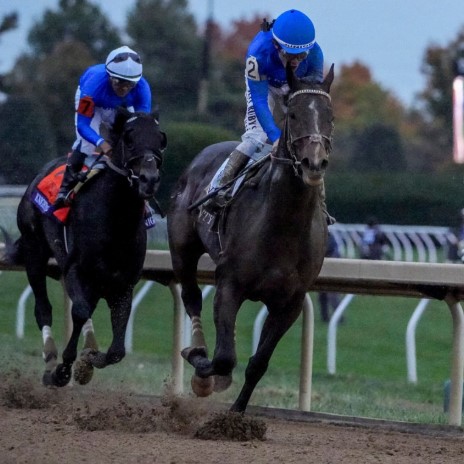
Indian racing has produced a handful of institutions that shaped the sport, and few have influenced it as deeply as a single breeding operation near Pune.
The Poonawalla Stud farm began in 1946 and has since become a reference point for thoroughbred breeding in India. Its story covers early risks, steady improvement in bloodlines, and a record in the country’s classic races that few rivals match. This article explains how the operation started, how it is organised, and why breeding programmes like it matter to racing.
Origins in 1946
Soli A. Poonawalla founded the farm as the Poona Stud Farm in 1946. It started small, with roughly a dozen mares and one stallion, Fitz Clarence. At that time, organised thoroughbred breeding was still developing in India, so the project required patience and investment.
Early results were encouraging. The farm’s first crop included Fitzcall, who won the Group 1 Indian 2000 Guineas. That success showed that carefully chosen mating and good horse management at the Poonawalla Stud farm could produce top-class runners at home.
Locations and Structure
The Poonawalla Stud farm operates from the Pune district of Maharashtra and is divided into separate units, each with a distinct purpose. Two youngstock divisions are based at Hadapsar and Theur, around 10 km and 24 km from Pune. The breeding division is at Theur, and a further property at Kunigal houses additional stallions.
According to the farm’s own information, it stands about 140 broodmares and four resident stallions. Dividing the horses by age and role allows staff to give foals, yearlings, and breeding stock appropriate feed, exercise, and veterinary attention.
Breeding Record
The numbers explain the farm’s standing. The Poonawalla Stud farm reports having bred more than 380 Classic winners, including winners of 10 Indian Derbies and 71 Indian Classics. Its tally also includes hundreds of Group race wins, and it has been recognised with 15 Champion Breeders’ Awards from the Turf Authorities of India. A later group update describes a 16th championship in the 2024-25 breeding statistics, so published totals vary by date and source.
Several milestones stand out:
- Nine Indian Derby winners were produced by 2012, five of them in successive years from 1988 to 1992.
- Astonish won the Indian Triple Crown in the early 1990s and later ran in Hong Kong.
- The farm sells most yearlings privately, keeping only a few to race.
- It supports juvenile racing through a major two-year-old event.
Such results come from consistent selection rather than luck. Breeders study sire lines, dam families, and racing performance, then pair animals to strengthen speed, stamina, and soundness.
How Thoroughbred Breeding Works
A thoroughbred programme depends on a few core elements:
1.Stallions with strong racing or progeny records.
2.Broodmares with proven families.
3.Careful nutrition for mares in foal and for growing foals.
4.Regular veterinary monitoring.
5.Gradual preparation of yearlings for sale or training.
The Poonawalla Stud farm also illustrates how imported bloodlines can improve local stock. Resident stallions have included sons of international sires, which brings outside genetics into Indian pedigrees while still allowing selection for domestic conditions.
Why Stud Farms Matter to Racing
Racing depends on a steady supply of quality runners, and stud farms supply them. Strong breeding raises the standard of fields, supports trainers and owners, and gives punters and fans better contests to watch. A breeder such as the Poonawalla Stud farm also gives trainers a dependable supply of well-bred yearlings. Over time, such consistency builds trust among buyers who return each season.
The farm’s influence also extends to people. Its founder’s family has received international recognition for service to racing, including a lifetime achievement award in 2009 from the sport’s global governing body.
Visitors and fans should remember that farms are working businesses with animals that need calm, so access is normally by arrangement. Reading official updates, results, and pedigree pages is a practical way to follow a breeder’s progress.
Conclusion
From a dozen mares in 1946 to a record that spans decades of classic wins, the Poonawalla Stud farm shows how patient breeding builds a lasting reputation. Its example highlights the value of structure, bloodlines, and steady management. At Racebuzz, we bring race cards, results, trackwork, and news together so readers can follow breeders and runners across Indian racing. Following the sport closely gives context to every classic result.