
Nutritional requirements can change considerably after weight-loss surgery. Adjustments to food intake, digestion, and meal patterns may affect how individuals obtain sufficient nutrients throughout the day.
Protein is an essential macronutrient involved in several important bodily functions. It supports the maintenance and repair of tissues, contributes to muscle preservation, and plays a role in producing enzymes and other proteins required by the body.
After bariatric procedures, individuals may have to follow smaller meal patterns and gradually adjust their food choices. These changes can make it challenging to obtain sufficient protein through ordinary meals alone.
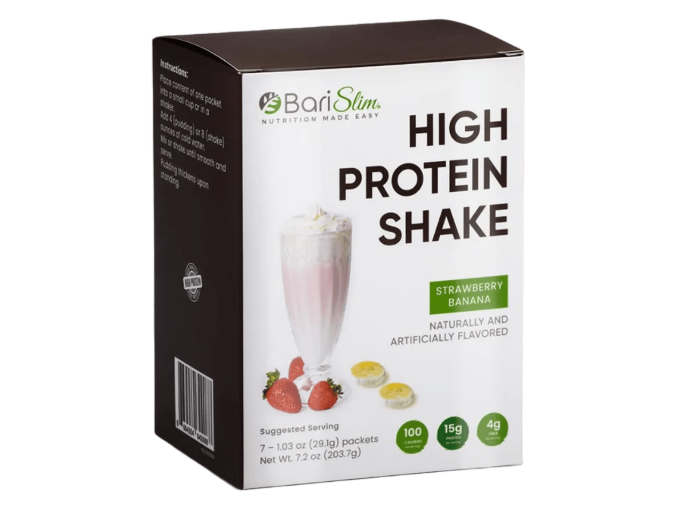
Bariatric protein supplements are nutritional products designed to help individuals increase their protein intake when food sources do not adequately meet their prescribed requirements. They may be available as powders, ready-to-drink beverages, and other convenient formats.
However, supplementation should be based on individual nutritional needs and guidance from a qualified healthcare professional.
Why Protein Intake Requires Attention After Surgery
1. Supporting Muscle Maintenance
Protein provides amino acids that the body uses to maintain and repair muscle tissue. During substantial weight loss, preserving lean muscle mass is an important consideration.
Adequate protein intake, combined with appropriate physical activity when medically permitted, can support overall muscle maintenance.
2. Supporting Tissue Repair
The body uses protein in tissue maintenance and repair. Nutritional adequacy is therefore an important part of postoperative recovery.
Individual requirements vary, and protein supplementation does not replace appropriate medical care or postoperative monitoring.
3. Helping Meet Daily Nutritional Requirements
Smaller meals can make it difficult to consume sufficient protein from food alone, particularly during the early stages of dietary progression.
A supplement may help bridge this gap when recommended by a bariatric dietitian or healthcare professional.
Different Types of Bariatric Protein Products
Protein Powders
Powders can be mixed with liquids or incorporated into approved recipes. They offer flexibility in preparation and may be available in different protein sources and concentrations.
However, preparation instructions, serving sizes, and nutritional content should always be checked.
Ready-to-Drink Protein Beverages
These products provide a convenient format for individuals who prefer not to prepare a shake. Their nutritional profiles vary, so checking the protein content, sugar levels, calories, and ingredient list is important.
Plant-Based Protein Options
Some products use protein sources such as soy, pea, or other plant ingredients. These may be considered by individuals who avoid dairy or have particular dietary preferences.
The amino acid composition and protein quantity can differ between products.
Dairy-Based Protein
Whey and other milk-derived proteins are commonly used in nutritional supplements. Individuals with lactose intolerance, milk allergies, or digestive sensitivities should review the ingredients carefully.
What to Consider When Selecting a Protein Supplement
Protein content: Compare the amount of protein provided per serving with the daily target established by the healthcare team.
Sugar content: Some products contain added sugars or carbohydrate ingredients. These should be reviewed according to individual dietary guidance and tolerance.
Serving size: Smaller serving volumes may be easier to accommodate when meal capacity is limited.
Ingredient composition: Check for allergens, artificial sweeteners, lactose, and ingredients that may cause digestive discomfort.
Product format: Consider whether a powder, beverage, or another format fits the person’s daily routine and food tolerance.
Meeting Protein Needs Through Food
Supplements are not necessarily intended to replace regular meals. As dietary progression allows, protein-rich foods can contribute to daily nutritional intake.
Common options may include eggs, fish, poultry, lean meat, dairy products, tofu, and other suitable protein sources.
Food choices should follow the individual’s postoperative dietary plan. Texture, portion size, preparation method, and tolerance can all affect whether a particular food is appropriate.
Understanding the Importance of Nutritional Monitoring
Protein is only one part of postoperative nutrition. Individuals may also require monitoring for vitamins, minerals, hydration, and other dietary factors.
The type of surgery, medical history, existing deficiencies, and food tolerance can influence nutritional requirements.
Regular follow-up appointments and laboratory assessments help healthcare professionals identify potential deficiencies and adjust dietary recommendations when necessary.
Conclusion
Protein plays an important role in maintaining body tissues and supporting nutritional adequacy after weight-loss surgery. A broader nutritional plan may also include a multivitamin for bariatric patients, depending on the procedure and the supplementation schedule established by the healthcare team. Supplement choices should reflect individual requirements, recovery stages, dietary tolerance, and professional recommendations.