
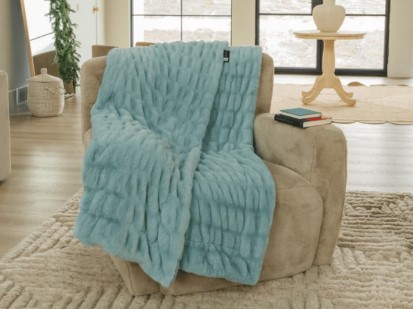
A soft throw can make a living room, bedroom, reading corner, or guest space feel more comfortable almost instantly. Beyond appearance, the right blanket should offer an effective balance of warmth, softness, breathability, durability, and easy care. For many households, fluffy blankets are popular because their raised fibers and plush texture create a cozy feel without requiring major changes to the room.
Choosing one, however, involves more than simply picking the softest option. Fabric construction, size, weight, shedding, washing requirements, and intended use all affect how practical a blanket will be over time.
What Makes Fluffy Blankets Feel So Soft?
The softness of fluffy blankets comes largely from their fiber structure and surface pile. Materials such as polyester microfiber, fleece, faux fur, sherpa, and similar plush fabrics are manufactured to create a raised, dense surface that traps air.
This trapped air contributes to warmth while also creating the soft texture associated with plush throws.
Some blankets have the same texture on both sides, while others combine two different surfaces. For example, one side may have a smooth velvety finish while the reverse has a thicker sherpa-like texture.
The best option depends on whether the blanket will be used primarily for warmth, decoration, lounging, or sleeping.
How Warm Should a Throw Blanket Be?
Warmth depends on fabric density, thickness, weight, and how much air the material can trap.
A lightweight plush blanket may be suitable for mild weather, air-conditioned rooms, or layering over bedding. Thicker fluffy blankets can provide additional insulation during colder months.
It is also important to consider personal temperature preferences. Some people prefer a heavier, warmer covering, while others become uncomfortable under very dense materials.
Breathability matters as well. A blanket that traps too much heat may feel cozy initially but become uncomfortable during longer periods of use.
What Size Blanket Should You Choose?
Blanket size should match how and where it will be used.
Smaller throws work well on sofas, armchairs, and reading chairs. They are convenient for covering the legs or shoulders without taking up much storage space.
Larger blankets may be better for sharing on a couch or layering across a bed. Before buying fluffy blankets, it can help to measure the furniture or bedding area where the throw will usually be placed.
Decorative use also affects sizing. A throw draped across the foot of a bed may not need full mattress coverage, while a blanket intended for sleeping should provide enough width and length for comfortable movement.
Which Materials Are Easiest to Maintain?
Synthetic plush fabrics are often popular because they can combine softness with relatively simple care.
Polyester-based microfiber and fleece generally resist wrinkling and dry faster than many natural fibers. They can also maintain their color well when washed correctly.
However, care instructions vary. High heat can damage or flatten certain plush textures, and some fabrics may shed if washed too aggressively.
To preserve fluffy blankets, owners should follow the manufacturer’s washing instructions, use appropriate water temperatures, and avoid harsh treatments that can affect the fibers.
Air drying or low-heat drying may help maintain softness for materials that are sensitive to heat.
Do Plush Blankets Shed?
Some plush blankets can shed loose fibers, especially when new or when the fabric quality is lower.
Shedding can depend on fiber length, construction, finishing, and washing methods. A tightly constructed blanket is generally less likely to release fibers excessively.
Washing the blanket according to care instructions before regular use may help remove loose surface fibers. However, repeated heavy shedding can indicate poor fabric construction.
When comparing fluffy blankets, buyers may want to review material specifications and care requirements rather than judging quality only by initial softness.
How Do You Match a Blanket to Your Room?
A throw blanket can function as both a practical item and a decorative accent.
Neutral colors can blend easily with existing furniture, while stronger colors or textured finishes can create contrast. Plush materials often work particularly well in spaces designed around warmth and comfort.
Scale also matters. A very bulky throw may overwhelm a small chair, while a narrow blanket can look undersized on a large sectional sofa.
Texture can also be used intentionally. Pairing a soft plush blanket with leather, wood, linen, or smooth upholstery can add visual depth without introducing additional patterns.
Are Heavier Blankets Always Warmer?
Weight and warmth are related, but they are not exactly the same.
A heavier blanket may feel warmer because it contains more material, but insulation also depends on fiber structure and trapped air. Some lightweight synthetic fabrics can provide substantial warmth without feeling bulky.
By contrast, denser blankets may provide a more substantial drape and a feeling of physical coziness even when their insulation level is similar to lighter options.
This distinction is useful when comparing fluffy blankets for different seasons or household preferences.
What Should You Check Before Buying?
Before choosing a blanket, consider its intended use, dimensions, fabric composition, care instructions, weight, and texture.
If the blanket will be used frequently, durability and washability should be priorities. For decorative use, color, drape, and surface texture may matter more.
Households with pets or children may also want a fabric that is easy to clean and resistant to snagging.
Checking these practical details can help prevent a blanket from looking appealing initially but becoming inconvenient after regular use.
Conclusion
A well-chosen throw blanket can improve both comfort and visual warmth in a room. Fabric type, pile height, size, washability, and seasonal use all influence how practical a blanket will be over time. People comparing plush options may also consider heavy throw blankets when they want a more substantial feel, especially for colder rooms or extended lounging. The best choice depends on how much warmth, weight, and softness feels comfortable for the intended use. By comparing materials and care needs carefully, fluffy blankets can provide a versatile combination of comfort, warmth, and decorative texture throughout the home.