
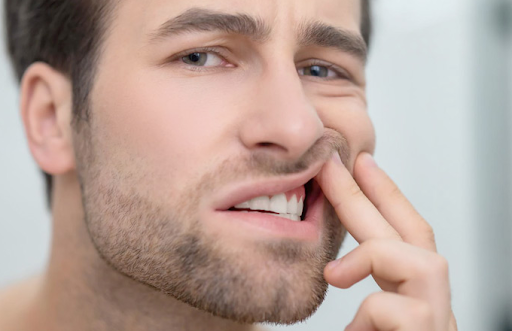
A healthy smile is influenced by more than just bright, straight teeth. The appearance of the gums also contributes significantly to overall dental aesthetics and oral health. Uneven gum lines, excess gum tissue, or receding gums can affect how teeth appear and may even impact confidence. For many people seeking smile improvements, gum contouring has become a treatment option that helps reshape the gum line for a more balanced appearance.
This dental procedure may be recommended for cosmetic reasons, such as correcting a gummy smile, or for functional concerns linked to oral hygiene. Understanding how gum reshaping works can help individuals make informed decisions about their dental care and treatment options.
What Is Gum Contouring?
Gum contouring is a dental procedure used to reshape or adjust the gum tissue surrounding the teeth. It is often performed to remove excess gum tissue or improve uneven gum lines that make teeth look asymmetrical. In some cases, the treatment may also expose more of the tooth surface, creating a more proportionate and even smile.
Dental professionals may perform this procedure using traditional tools or advanced laser technology. Laser methods are commonly preferred because they offer precision and may reduce bleeding and recovery time. The exact approach depends on a person’s dental condition and treatment goals.
Why Do People Choose Gum Reshaping?
There are several reasons why individuals may consider gum reshaping procedures.
Correcting a Gummy Smile
Some people naturally have excessive gum tissue covering a larger portion of their teeth, making the teeth appear shorter. Reshaping the gums can help improve tooth visibility and create a more balanced smile.
Improving Smile Symmetry
Uneven gums can make certain teeth look larger or smaller than others. Dentists may recommend treatment to create a smoother and more symmetrical gum line, helping improve smile aesthetics.
Supporting Better Oral Hygiene
Excess gum tissue may sometimes create areas where bacteria and plaque are harder to clean. Proper reshaping can improve access for brushing and flossing, supporting healthier gums and reducing hygiene challenges.
What Happens During the Procedure?
Before treatment begins, a dental professional usually performs a detailed oral examination to assess gum health and determine whether the procedure is suitable. Existing issues such as gum disease or tooth decay are often treated beforehand.
During gum contoure, local anesthesia is commonly used to numb the treatment area and improve comfort. A dentist then carefully removes or reshapes excess gum tissue using a laser or other dental instruments. In some situations, small adjustments to underlying bone tissue may also be required to ensure long-lasting results.
The procedure generally takes one to two hours, depending on the number of teeth involved and the complexity of treatment.
Recovery and Aftercare
Recovery following gum reshaping is generally manageable. Mild tenderness, swelling, or sensitivity may occur during the first few days after treatment, though discomfort is usually temporary.
Patients are often encouraged to eat softer foods while healing to avoid irritation. Foods such as soups, mashed vegetables, smoothies, and yogurt are commonly easier to consume during recovery. Maintaining good oral hygiene while following professional instructions is also important to support proper healing.
After gum contours, dentists may recommend gentle brushing techniques and medicated rinses to reduce irritation and support recovery. Avoiding crunchy, spicy, or extremely hot foods may also help protect healing gum tissue.
Benefits of Gum Contouring
There are several potential benefits associated with gum reshaping procedures.
Enhanced Smile Appearance
One major benefit is improved smile balance. Reshaping uneven gums can make teeth appear more proportional and visually appealing.
Better Gum Health
Reducing areas where plaque and bacteria collect may support healthier gums and simplify daily oral hygiene routines.
Long-Term Results
In many cases, gum reshaping produces long-lasting results, especially when paired with consistent oral care and routine dental visits.
Conclusion
A balanced gum line can improve both smile appearance and oral comfort. Treatments designed to reshape excess or uneven gum tissue may help enhance confidence while supporting healthier oral hygiene habits. Individuals considering treatment options for long-term gum care may benefit from discussing periodontal therapy charlotte with a dental professional to better understand suitable approaches for maintaining healthy gums and teeth.