
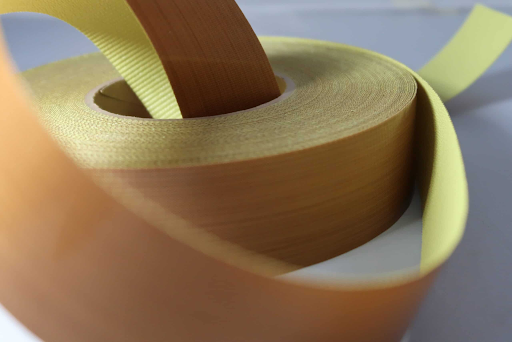
Selecting the right PTFE sticky tape can make the difference between a sealing system that runs all shifts and one that stalls every hour. The tape sits on hot bars, guides, and chutes where film slides through, so it must resist heat, hold its adhesive bond, and stay smooth under constant friction. Buyers who treat this part as an afterthought often pay for it later in scrap, downtime, and rework. Because the tape touches almost every package that passes through the seal zone, its condition quietly sets the ceiling on how clean and consistent your output can be.
Many maintenance teams discover that the small roll on the seal bar is the cheapest insurance against expensive problems. A worn or wrong liner shows up as crooked seals, sticking film, and frequent stops that frustrate operators. Treating tape selection as a deliberate engineering choice, rather than a quick grab from the shelf, sets the whole line up for steadier performance.
Why the Right Tape Choice Matters
A sealing bar that grabs or scorches film usually points back to a worn or poorly chosen liner. Good tape lets packaging move cleanly across the heated surface, spreads heat evenly, and prevents melted residue from building up. When you compare options, think about how the tape behaves over thousands of cycles, not just how it looks on the roll. A small upgrade in quality here can quietly improve seal consistency across an entire line.
Key Features and Factors to Compare
Most maintenance teams weigh three practical factors before they commit to a supplier. Each one affects how the tape performs in real conditions on your equipment.
Material and Heat Resistance
Look at the base fabric and coating thickness. A woven glass core coated with PTFE handles higher temperatures and resists tearing better than thin film alone. Thicker mil ratings tolerate more abuse but can feel stiffer. Match the rating to your sealing temperature so the tape neither cooks nor cools too slowly between cycles.
Fit and Use-Case
Confirm the width and length match your bar and the way film feeds through the machine. Acrylic adhesive backing helps the tape stay put on cleaned metal, while a silicone option suits hotter zones. The correct fit means fewer wrinkles, fewer edge lifts, and a cleaner wrap as the product moves down the line.
Long-Term Value
Cheap tape that peels after a week is rarely a bargain. Quality ptfe sticky tape holds its bond through heat cycling, resists abrasion, and keeps a low-friction surface longer. Track how many rolls you use per month before and after a switch, and the better product usually proves its value quickly.
Questions to Ask Before Choosing
Ask the supplier about temperature range, adhesive type, and recommended cleaning steps. Ask whether the tape suits side sealers, L-bar sealers, or shrink tunnels, since each places different demands on the surface. Finally, ask how to store rolls so the adhesive stays fresh, because heat and dust shorten shelf life faster than people expect. Clear answers signal a vendor who understands packaging operations rather than one simply moving inventory.
- What temperature range does this tape support?
- Is the adhesive acrylic or silicone, and why?
- Which machines and bar styles is it tested on?
- How should unused rolls be stored?
When you have those answers, ordering the correct ptfe sticky tape becomes a quick, confident decision rather than a guess. Keep a small reference sheet near the line so the next person buys the same proven spec. It also helps to log when each roll was applied, because tracking service life reveals whether a product truly lasts or simply looked good on day one. Over a few months, that record turns guesswork into a clear picture of which supplier earns repeat orders.
Final Thoughts
The best results come from matching tape material, fit, and durability to the way your line actually runs, then sticking with the spec that proves itself shift after shift. Teams that standardize their ptfe sticky tape and pair it with well maintained equipment such as bestpack packaging systems tend to see steadier seals, less cleanup, and fewer surprise stoppages over the long run.