
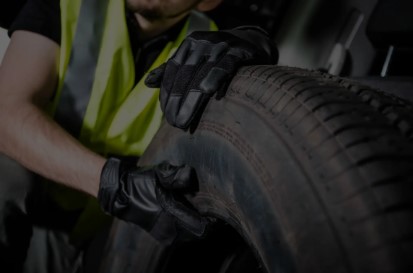
Tyre repair requires careful preparation before a repair material can be applied. Even a relatively small puncture needs to be properly inspected, cleaned, and prepared so that the repair area is suitable for the next stage of the process. Specialist tools can make this preparation more controlled, particularly when technicians are working around small or difficult-to-reach injuries. A nail hole reamer is one such tool, designed for specific tyre repair preparation applications.
Understanding where this type of tool fits into the wider repair process can help technicians select appropriate equipment for different tyre injuries.
What Is a Nail Hole Reamer?
A nail hole reamer is a specialised tool used to prepare certain small tyre injuries. Rather than being a general-purpose buffing tool, it is designed to provide access to a relatively narrow repair area where larger tools may not be practical.
Rubberhog’s 1/4-inch shaft tool range includes a dedicated nail hole reamer with a 1/4-inch diameter and coarse tungsten-carbide coating. The manufacturer identifies nail hole reamers specifically for preparing injuries in bias tyres.
This makes choosing the correct tool important. Different tyre constructions and injury types can require different preparation approaches, so technicians should follow applicable repair procedures and manufacturer guidance.
Why Proper Injury Preparation Matters
Surface preparation is an important part of professional tyre repair. Before a patch, plug or other approved repair material is installed, the damaged area needs to be suitably prepared.
Rubberhog explains that its tyre repair tools are designed to remove damaged rubber and create a consistent surface for repair preparation. Its tools use structured tungsten-carbide cutting technology rather than conventional abrasive grit, allowing rubber to be mechanically removed with controlled cutting action.
For a technician, this can make tool selection particularly important when dealing with a small, localised injury.
Choosing the Right Tool for the Repair
Not every tyre injury should be approached with the same tool. Larger buffing wheels can be appropriate for broader repair areas, while compact shaft-mounted tools can provide better access when working in confined locations.
Rubberhog’s 1/4-inch shaft range includes spheres, tapers, rotor saws and nail hole reamers, with each shape intended for different repair preparation tasks. The company notes that these compact tools are useful where larger buffing wheels cannot easily reach.
This range illustrates why technicians should consider the size, location and nature of the injury before selecting equipment.
Controlled Material Removal
Control is particularly valuable during tyre preparation. Removing too much material or creating an uneven repair area can affect the preparation process, which is why specialist tools are designed around particular applications.
Rubberhog states that its tyre repair tools provide controlled rubber removal and consistent surface texture, with applications extending across passenger, commercial truck, agricultural and OTR tyre repair.
A nail hole reamer can therefore be viewed as one component within a broader collection of specialist tyre repair tools rather than a universal solution for every puncture or injury.
Supporting Consistent Tyre Repair Work
Professional repair environments often handle different tyre sizes, constructions and injury types throughout the working day. Having appropriately sized tools available can help technicians select equipment according to the repair area.
Rubberhog’s broader product range includes inner-liner buffing wheels, section-repair tools, buzzout wheels, shaft tools and other equipment for tyre repair and retreading preparation.
Using the appropriate equipment, following established repair procedures, and maintaining tools properly can all contribute to a more consistent workflow.
Conclusion
Specialist tyre repair tools have specific roles, and understanding those roles helps technicians approach injury preparation with greater precision. For professional workshops looking to build a versatile selection of tyre repair equipment, considering complementary options such as a tire buffing rasp alongside specialized reaming and buffing tools can help support different repair preparation requirements. A compact reaming tool can be particularly useful when a repair involves a small, localised injury that requires appropriate preparation.