
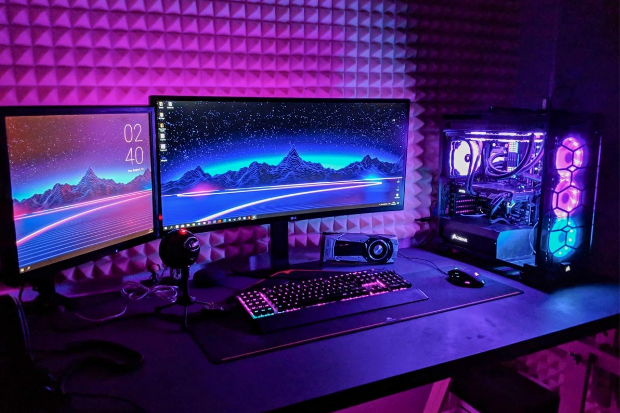
Upgrading a gaming setup can be exciting, especially when a newer processor, faster graphics card, or more advanced system promises a better experience. However, once the decision to sell an existing gaming desktop has been made, the process requires more thought than simply finding someone willing to take it. A powerful gaming computer can contain valuable components, and understanding what affects its resale value can help sellers make a more informed decision. For those exploring a gaming desktops buyer in Dubai, knowing how systems are evaluated can make the selling experience smoother, more transparent, and potentially more rewarding.
Understand Your Gaming Desktop’s Specifications
The specifications of a gaming desktop are among the first factors that influence its value. Before approaching a buyer, create a clear list of the system’s major components. This should include the processor, graphics card, RAM, storage drives, motherboard, power supply, cooling system, and case. The graphics processing unit and CPU are particularly important because they have a direct impact on gaming performance. A system equipped with a recent-generation GPU and a capable multi-core processor may retain stronger market demand than an older configuration.
RAM and storage also matter. Higher memory capacity and modern SSD storage can improve usability and make a system more attractive to potential buyers. If the desktop contains upgraded components, document them accurately rather than relying only on the original model name.
Check the Condition of Every Component
Performance alone does not determine the worth of a gaming desktop. Physical and operational conditions can have an equally important impact on its evaluation. Check whether the system starts properly, runs games or demanding applications without unexpected shutdowns, and maintains stable temperatures. Listen for unusual fan noise and inspect the case for excessive dust, damaged ports, cracked panels, or other visible issues. It is also useful to check individual components. For example, storage drives should be examined for signs of failure, while the graphics card should be tested for display problems or instability. If the desktop has been regularly maintained, cleaned, and used responsibly, this can support a stronger valuation.
Consider the Age of the Hardware
Gaming technology develops quickly. A desktop that was considered high-end several years ago may now compete with newer mid-range systems. Therefore, the age of each component should be considered rather than looking only at the original purchase price. A recently purchased desktop with modern hardware may have stronger resale potential. On the other hand, older systems may still hold value because individual components can be reused, upgraded, repaired, or recycled. The age of the complete system should therefore be considered alongside its specifications. A well-maintained older gaming PC may still be valuable, particularly when it contains sought-after components.
Compare the Convenience of Different Selling Options
Individual resale platforms may appear attractive because sellers can advertise their own prices. However, this approach can involve considerable effort, including preparing listings, answering enquiries, negotiating with potential buyers, arranging meetings, and dealing with buyers who may change their minds.
A professional buyer can provide a more straightforward alternative, particularly when speed and convenience are important. This can be especially useful for businesses, gaming centres, or individuals handling several systems at once. When comparing buyers, consider more than the quoted amount. Look at how the equipment is evaluated, whether collection is available, how quickly payment is made, and whether the buyer has experience handling different types of IT equipment.
Ask How the Desktop Will Be Handled
Responsible disposal should remain part of the decision, particularly when a gaming desktop is damaged, obsolete, or no longer suitable for continued use. Some equipment can be refurbished or have working components recovered. Other systems may need to enter an appropriate recycling process. Choosing a buyer with knowledge of IT asset handling can help ensure that equipment does not simply become unmanaged electronic waste. This approach can also support better resource recovery. Metals, circuit boards, storage components, and other materials may have further value when processed through suitable recycling channels.
Look for Transparent Valuation
A professional transaction should provide clarity about how the desktop has been assessed. Sellers should be comfortable asking what factors have contributed to the offered value. A transparent evaluation may consider the system’s specifications, physical condition, functionality, component demand, age, and current market conditions. This helps sellers understand why one gaming desktop may receive a different offer from another seemingly similar system.
Avoid making decisions based solely on the highest initial promise. A reliable buyer should provide a practical assessment and explain the transaction clearly, helping the seller understand what to expect before completing the deal.
Consider Professional Buyers for Faster Disposal
For sellers who want to avoid lengthy negotiations, professional buyers can provide a convenient route for turning unused gaming equipment into value. This can be particularly helpful when upgrading to a new setup leaves an older high-performance desktop occupying valuable space.
A professional buyer may also be equipped to handle systems in different conditions, including used, outdated, damaged, or non-working equipment. This means sellers do not necessarily have to wait for another individual to be interested in their particular configuration. For businesses, the advantage can be even greater when multiple desktops need to be cleared during an IT upgrade or equipment replacement project.
Conclusion
Selling a high-performance gaming desktop should involve more than finding a quick buyer. By checking specifications, assessing component condition, protecting personal data, considering accessories, and understanding current hardware demand, sellers can approach the transaction with greater confidence. A professional evaluation can also make the process more convenient, especially when the equipment is old, damaged, or part of a larger IT clearance.
For those seeking a professional gaming PC buyer, IT Scrap Buyer provides an option for handling gaming desktops alongside other IT equipment. Their approach focuses on practical evaluation, convenient collection, professional transactions, and responsible handling of technology. With experience across different categories of IT assets, IT Scrap Buyer can help individuals and businesses turn unused gaming systems into useful returns while supporting a more organised approach to electronic equipment disposal.