
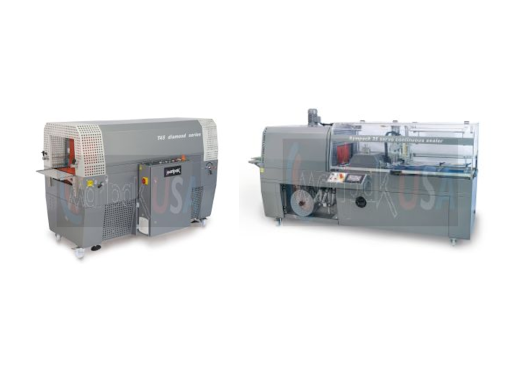
Packaging is much more than a protective layer around a product. It plays a critical role in product safety, transportation, branding, storage, and customer satisfaction. As industries continue to evolve and supply chains become increasingly complex, businesses seek packaging solutions that offer efficiency, durability, and cost-effectiveness.
One packaging method that continues to meet these demands is shrink wrap packaging. Widely used across manufacturing, retail, food production, pharmaceuticals, and logistics, this packaging solution has become a key component of modern distribution systems. Its versatility and ability to provide secure protection have made it a preferred choice for businesses of all sizes.
Understanding Shrink Wrap Packaging
Shrink wrapping involves covering a product with a specialized plastic film and applying heat to shrink the material tightly around the item. Once the film contracts, it creates a secure, protective seal that conforms to the shape of the product.
The process typically includes:
- Placing the product inside the shrink film
- Sealing the film around the product
- Applying controlled heat
- Allowing the film to shrink and form a tight enclosure
Why Packaging Protection Matters?
Products often travel through multiple stages before reaching consumers. During transportation and storage, they may be exposed to dust, moisture, handling, and environmental conditions that can affect their quality.
Effective packaging helps businesses:
- Reduce product damage
- Maintain product integrity
- Improve storage efficiency
- Enhance customer satisfaction
- Support regulatory compliance
These benefits explain why shrink wrap packaging remains a valuable solution across numerous industries.
Major Benefits of Wrap Packaging
Enhanced Product Security
Shrink film creates a protective barrier around products, helping safeguard them from contamination, dirt, and moisture. This added layer of protection is particularly valuable for products that require cleanliness and careful handling.
Tamper-Evident Protection
One significant advantage of shrink wrapping is that it often provides visible evidence if a package has been opened or altered. This feature helps improve product security and consumer confidence.
Improved Product Presentation
Consumers often judge products based on appearance. Clean, tightly wrapped packaging creates a professional look that can enhance product appeal on store shelves.
Versatility Across Product Types
Shrink wrapping can accommodate a wide variety of product sizes, shapes, and categories, making it suitable for numerous packaging applications.
Industries That Rely on Shrink Wrapping
Food and Beverage Industry
Manufacturers use shrink wrapping for bottled beverages, canned products, packaged foods, and multipack items. The packaging helps maintain cleanliness and improves transportation efficiency.
Pharmaceutical Industry
Pharmaceutical companies often require packaging that protects products while providing tamper-evident features. Shrink wrapping helps meet these requirements.
Consumer Goods
Many everyday products, including household items, personal care products, and electronics, benefit from shrink wrapping due to its protective qualities.
Industrial Manufacturing
Manufacturers frequently use shrink wrap packaging to bundle products, secure components, and protect equipment during shipping and storage.
Cost-Effectiveness for Businesses
Reduced Material Consumption
Modern shrink films are lightweight yet durable, helping businesses minimize packaging material usage while maintaining adequate protection.
Lower Shipping Costs
Because shrink wrapping closely conforms to product dimensions, it often reduces package volume and improves transportation efficiency.
Increased Operational Efficiency
Automated shrink wrapping systems can process large quantities of products quickly, reducing labor requirements and increasing productivity.
Sustainability and Modern Packaging Trends
Recyclable Film Options
Many shrink films are now designed to be recyclable, helping reduce environmental impact.
Material Reduction
Advances in film technology have made it possible to use thinner materials without sacrificing strength or performance.
Efficient Resource Utilization
Compact packaging can contribute to improved transportation efficiency and reduced waste throughout the supply chain.
The Role of Automation in Packaging Operations
Benefits of automated systems include:
- Faster production rates
- Consistent packaging quality
- Reduced labor costs
- Improved workplace efficiency
- Enhanced operational scalability
These advantages make shrink wrapping an attractive solution for businesses seeking to optimize their production processes.
Conclusion
Shrink wrapping continues to play a vital role in modern packaging by providing product protection, operational efficiency, and professional presentation. For organizations interested in exploring advanced packaging technologies and industry innovations, Maripak in the USA can serve as a valuable resource for understanding modern shrink wrapping solutions and their applications. Its flexibility across industries and ability to adapt to changing market requirements make it one of the most widely used packaging methods today.