
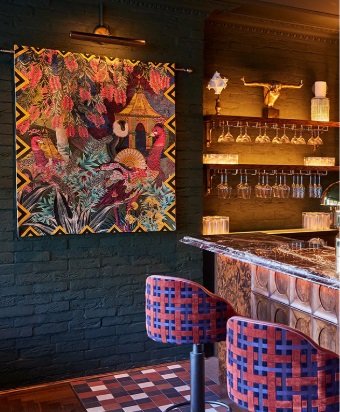
Tapestries have long been celebrated as a form of art that combines intricate craftsmanship with storytelling. In modern interior design, a custom tapestry allows homeowners, artists, and businesses to showcase unique designs that reflect personality, culture, or branding. From the initial concept to the finished masterpiece, creating a custom tapestry is a journey that blends creativity, technical skill, and attention to detail.
Understanding Custom Tapestries
A custom tapestry is a textile artwork designed and created specifically to meet the client’s vision. Unlike mass-produced tapestries, a custom piece is unique, often incorporating personalized elements, colors, and patterns that convey a specific message or aesthetic. Working with a skilled tapestry maker ensures that every detail—from design to execution—is tailored to your needs, resulting in a one-of-a-kind masterpiece.
- Materials Used: Cotton, silk, wool, and synthetic blends are popular materials, each offering distinct textures, durability, and visual appeal.
- Techniques: Weaving, embroidery, and printing are commonly used techniques, often combined to create depth and detail.
- Applications: Custom tapestries can be used as wall art, room dividers, bedspreads, or promotional décor for businesses and events.
The Design Process: Bringing Ideas to Life
Creating a custom tapestry begins with a clear concept. This phase involves collaboration between the client and the designer to ensure the final piece aligns with expectations.
- Concept Development: Identify the theme, story, or visual elements to be represented. Consider the size, shape, and placement of the tapestry in the intended space.
- Sketching and Mockups: Designers create preliminary sketches or digital mockups, allowing clients to visualize colors, patterns, and composition.
- Material Selection: Choosing the right fabric and weaving technique is critical to achieving the desired texture, longevity, and overall aesthetic.
Craftsmanship and Production
Once the design is finalized, the creation of the tapestry begins. This stage requires skilled artisans who combine traditional techniques with modern technology. Whether you’re working with a professional or exploring a DIY project, learning how to make your own tapestry can give you a deeper appreciation for the artistry involved.
- Weaving Techniques: Hand-weaving offers intricate details and a high level of artistry, while machine weaving can produce consistent patterns efficiently for larger tapestries.
- Embroidery and Embellishments: Additional details such as embroidery, metallic threads, or appliqués can add depth and luxury to the piece.
- Quality Control: Each tapestry undergoes careful inspection to ensure craftsmanship meets high standards, with attention to color accuracy, pattern alignment, and durability.
Custom Tapestries in Interior Design
A well-chosen custom tapestry can transform a space, adding character, texture, and warmth.
- Residential Spaces: Tapestries can serve as statement pieces in living rooms, bedrooms, or dining areas. They can complement color schemes and reflect personal style.
- Commercial Spaces: Businesses use custom tapestries to create a welcoming environment, reinforce branding, or decorate event spaces.
- Cultural Significance: Tapestries can celebrate heritage, commemorate events, or tell stories that connect viewers to traditions and history.
Benefits of Choosing a Custom Tapestry
Opting for a custom tapestry over a ready-made alternative provides numerous advantages:
- Uniqueness: Every piece is one-of-a-kind, ensuring that your décor or artwork stands out.
- Personalization: Colors, patterns, and motifs can be tailored to suit your taste, brand identity, or interior design theme.
- Durability: High-quality materials and expert craftsmanship ensure that the tapestry lasts for decades, making it a lasting investment.
- Versatility: Tapestries can be functional or purely decorative, used in homes, offices, hotels, and public spaces alike.
Caring for Your Custom Tapestry
Maintaining the beauty of a tapestry, especially vintage tapestries, requires proper care.
- Cleaning: Light dusting and occasional professional cleaning help preserve colors and fabric integrity.
- Placement: Avoid direct sunlight and humid areas to prevent fading or deterioration.
- Handling: Gentle handling and proper mounting prevent stretching or damage to threads.
Conclusion
A custom tapestry is more than a decorative piece—it is a personal statement, an artistic creation, and often a treasured heirloom. From the initial concept to the final masterpiece, the process requires creativity, technical expertise, and collaboration between client and artisan.