
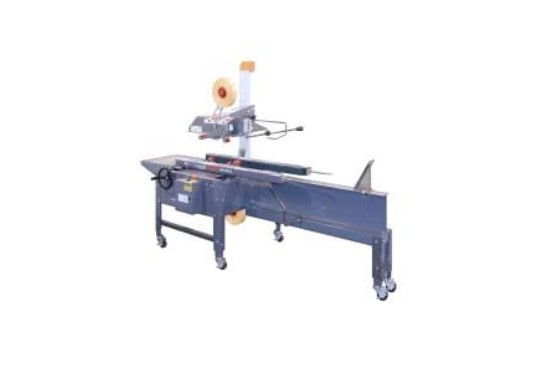
Cartons that are sealed cleanly and consistently protect products, reduce returns, and keep a packing line moving. Behind that reliability sits equipment that operators depend on every shift. Businesses of many sizes use Loveshaw/Little David machines to close cases, from small operations to automated production lines. Knowing the available machine types and the parts that keep them running helps you choose, maintain, and troubleshoot with confidence. This guide walks through the main designs, key part categories, and practical upkeep habits. It is written for buyers, maintenance teams, and anyone new to case sealing.
What Case Sealers Do
A case sealer closes the flaps of a carton and applies tape so the box stays shut during storage and shipping. Tape-based sealing is fast, repeatable, and works with a wide variety of carton sizes. Depending on the model, the machine guides cartons through belts and rollers while tape heads apply tape to the seams. Tape cartridges, often available in 2 inch and 3 inch widths, make it easy to match the machine to the job. Choosing the right design starts with understanding your carton sizes, volume, and level of automation.
Uniform and Random Case Sealers
Uniform case sealers, including Loveshaw/Little David models, suit lines where box sizes stay consistent. They deliver fast throughput, need minimal adjustments, and rely on heavy-duty steel frames. Random case sealers handle mixed box sizes through automatic height and width adjustment. Their features include high-speed sealing, self-tensioning drive belts, and a heavy-duty dual mast construction. If your orders vary from one shipment to the next, a random design can save changeover time. If your products ship in the same size carton all day, a uniform model may be the simpler fit.
Other Machine Configurations
Side belt drive sealers use belts along the sides of the carton to guide it through the sealing process. That makes them a good choice for narrow or unstable boxes, and they can handle cartons that bottom-belt systems cannot. They do not require pneumatics and feature a safe tape head design. Semi-automatic sealers require an operator to fold the flaps before feeding the box, offering a balance of speed and control that suits small to medium-sized businesses. Fully automatic machines handle the whole sequence, from folding the flaps to applying the tape, and integrate into automated production lines for maximum throughput with minimal manual intervention.
Key Part Categories
Keeping a sealer productive means knowing which parts wear and which support the machine. Rollers and guides, including sponge rollers and tape guide plates, ensure smooth carton transport. Electrical components such as fuses, photoelectric sensors, and thermal relays support the control system. Mechanical motion parts, including chains, drive belts, and shafts, transfer power. Assemblies and kits, such as tape core assemblies and cartridge spring kits, simplify larger repairs, while guards and covers protect operators and keep debris out. The Loveshaw/Little David range spans thousands of individual parts, so identifying the exact model before ordering is essential.
Maintenance and Sourcing Tips
Routine care extends machine life. Inspect drive belts and rollers for wear, clear dust and tape debris, and replace worn parts promptly. Keep a small stock of frequently used items, such as tape cartridges and fuses, to reduce downtime. When ordering, favor genuine OEM parts, which are typically backed by manufacturer warranty coverage. Also review current pricing notices, since tariffs and shipping conditions can affect cost.
Conclusion
Choosing and maintaining a case sealer comes down to matching the machine to your cartons, your volume, and your level of automation. Uniform, random, side belt, semi-automatic, and fully automatic designs each solve different problems, so take time to compare them. Equally important is planning carefully for upkeep from the very start. Reliable rollers, belts, sensors, and other machine components keep a sealer running smoothly, and stocking the right spares prevents avoidable downtime. Record your model details, follow a regular inspection routine, and source genuine parts whenever possible.