
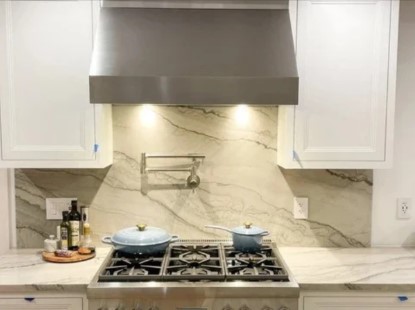
Choosing a large range hood involves more than comparing airflow, dimensions, noise levels, and ventilation requirements. A warranty is another important factor because a range hood contains electrical controls, lighting components, motors, filters, and other parts that may eventually require service. Understanding warranty coverage before purchasing can help homeowners know what protection they receive and what expenses they may still need to handle. For anyone considering a 60 vent hood, knowing how warranty terms work is particularly useful because larger ventilation systems can involve more components and more complex installation requirements.
What Does a Range Hood Warranty Usually Cover?
A range hood warranty is generally designed to protect the purchaser against certain manufacturing defects and component failures during a defined period. However, warranty coverage is not the same as a guarantee that every repair or maintenance expense will be free.
Coverage commonly applies to defective parts or problems related to materials and workmanship. Depending on the manufacturer and warranty level, coverage may include components such as motors, control panels, circuit boards, switches, and other electrical parts.
Current published warranty information for one major range hood manufacturer states that its hoods have a three-year limited warranty. Under that policy, the first year includes parts and labor, while the second and third years cover replacement parts.
This illustrates why consumers should read the actual warranty document rather than assuming that a three-year warranty means three years of completely free repairs.
Does Warranty Coverage Include Installation?
In many cases, installation is treated separately from product defects. A warranty may cover a defective component while excluding the cost of installing, removing, or reinstalling the appliance.
This distinction is especially important when purchasing a 60 vent hood because larger hoods may require specialized mounting, electrical connections, ductwork, and structural preparation. If a problem results from incorrect installation rather than a manufacturing defect, the warranty may not apply.
The published warranty terms reviewed for this article specifically exclude certain installation-related expenses, including original installation, reinstallation, removal, ductwork, electrical rough-in, and other associated work.
Before installation begins, homeowners should therefore review the manufacturer’s installation requirements and determine which work should be handled by a qualified professional.
How Long Do Range Hood Warranties Last?
Warranty periods vary considerably by manufacturer, product category, and individual component. A standard hood warranty may cover the complete product for a specified number of years, while specialized components can have different terms.
For example, the current warranty information reviewed here provides three years of limited coverage for range hoods, with the first year covering parts and labor and the following two years covering replacement parts.
Some specialized ventilation systems can have separate coverage for specific blower components. This means shoppers should look beyond the headline warranty duration and check exactly which components are covered and for how long.
For a large 60 vent hood, this is particularly relevant because the hood may be equipped with a high-capacity blower or other specialized ventilation equipment.
What Can Void a Range Hood Warranty?
Warranties generally have conditions that must be met for coverage to remain valid. Common exclusions can include misuse, abuse, unauthorized modifications, improper installation, neglect, and damage caused by circumstances outside normal operation.
Maintenance-related items may also be excluded. Filters, bulbs, cosmetic damage, grease buildup, and consumable components are examples that may not qualify for warranty replacement depending on the specific terms.
The current published policy examined for this article also excludes problems associated with misuse, improper installation, certain appliance setups, cosmetic issues, filters, bulbs, and other consumable items.
This makes regular maintenance important. Keeping filters clean, following installation instructions, and operating the hood according to its specifications can help reduce avoidable problems.
What Information Is Needed for a Warranty Claim?
If a range hood develops a covered problem, documentation can make the claim process easier. Consumers should generally keep their purchase receipt, model number, serial number, and relevant warranty documentation.
Some manufacturers may also request photographs or videos showing the problem. A description of the issue can help technical support determine whether troubleshooting or replacement parts may resolve it.
The warranty policy reviewed here asks customers to provide identifying information and proof of purchase when opening a warranty case. It also describes a troubleshooting process before certain service work is approved.
Keeping purchase records from the beginning is therefore a simple but useful step.
What Should You Check Before Buying a Range Hood?
Before purchasing any range hood, compare more than the length of the warranty. Look at what the warranty covers, whether labor is included, which components are excluded, who is eligible to make a claim, and whether the warranty applies only at the original installation location.
For a 60 vent hood, buyers should also examine airflow requirements, duct size, electrical specifications, installation clearance, and maintenance requirements. A warranty cannot compensate for a hood that is unsuitable for the kitchen’s ventilation setup.
It is also worth checking whether warranty service requires written approval before repairs are performed. Under the current policy reviewed here, certain third-party labor must receive written pre-approval before work begins.
Conclusion
A range hood warranty can provide useful protection against qualifying manufacturing defects, but the details matter more than the headline warranty length. Consumers should understand the difference between parts coverage, labor coverage, installation costs, maintenance exclusions, and damage caused by improper use. When evaluating a 60 vent hood, reviewing the warranty alongside the hood’s technical specifications can help create more realistic expectations about ownership costs and long-term service. The key question is not simply: Do your range hoods have a warranty? but what that warranty actually covers, how long each type of coverage lasts, and what conditions apply when a problem occurs.