
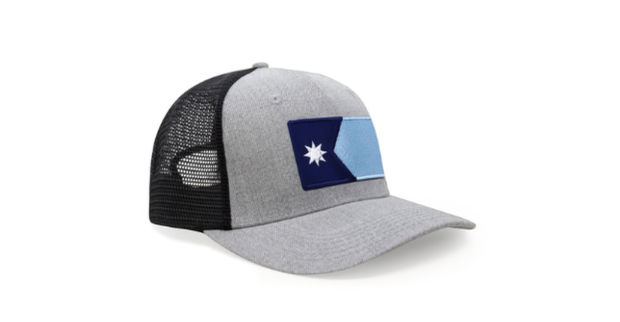
Few places in the country make people think about headwear as much as the Upper Midwest. Winters bring long stretches of freezing temperatures, and summers bring bright days on the water. Whether it is worn for warmth, sun protection, or local pride, a Minnesota hat is a practical accessory with real everyday use. Understanding the styles, materials, and fit options makes it easier to choose one that lasts. This guide covers the main cap styles, what to look for in fabric, and how to care for your purchase.
Why Hats Matter in a Cold Climate
Minnesota is known for cold winters, and temperatures can stay below freezing for months at a time. A cap adds some protection from wind and light snow and shades the eyes on bright days, but it leaves the ears uncovered. It works best as one piece of a layering system with a warm coat, gloves, and a scarf. Health agencies advise covering exposed skin in extreme cold to lower the risk of frostbite.
Popular Hat Styles
Baseball-style caps come in a few main shapes. Trucker caps have a structured front and a mesh back that lets air move on warm days. Snapback caps close with an adjustable strap at the back, and many designs combine both features. Flatbill caps keep the brim flat instead of curved for a more streetwear look. Embroidered designs are common, including a state flag patch or a cross logo with the letters MIN. When comparing a Minnesota hat, decide first whether you want a flag design or a lettered logo, and whether you prefer a curved or flat brim, since that quickly narrows the choices.
Materials and Construction
Wool is a natural fiber valued for warmth and its ability to insulate even when slightly damp. Acrylic is a synthetic option that imitates wool, is generally lighter, and often costs less. Fleece lining adds softness and trapped warmth, while cotton suits mild weather but holds moisture and dries slowly. Blends combine benefits such as stretch, softness, and durability. Check the stitching, since tight, even seams help a hat keep its shape. A smooth inner lining prevents itching and can add warmth. For caps, look at the brim, which should be firm without feeling stiff, and check the closure, whether it’s an adjustable strap, snap, or fitted.
Colors and Designs
Color changes how a cap fits into your wardrobe. Solid choices such as all black, all white, and all navy pair with almost anything. Two-tone combinations, including gray and white, gray and black, black and white, and navy and white, add contrast between panels. Camouflage suits outdoor days. Darker colors hide winter slush and dirt, while lighter colors show it sooner.
Materials and Construction
Fabric details vary by cap, so check the product description for the materials used. In general, cotton is breathable but slow to dry, polyester and nylon blends dry quickly, and wool is valued for warmth. A mesh back adds airflow but less insulation, which makes trucker styles better for mild seasons than for deep winter. Check that embroidery is tight and even, that seams are straight, and that the brim is firm without feeling stiff.
Getting the Right Fit
Fit affects both comfort and performance. A cap that is too tight can cause headaches, while one that is too loose may blow off in the wind. To measure, wrap a soft tape around the head just above the eyebrows and ears. Adjustable snapback straps give flexibility and let one cap fit a range of head sizes or be shared. If you wear glasses or headphones, try any Minnesota hat with them on to make sure the fit stays comfortable.
Conclusion
The right headwear balances style, fit, and durability. Consider the climate you live in, match the design to your taste, and follow care instructions to extend the life of each cap. Collectors and travelers may also compare a California cap to see how designs and color choices shift from state to state.