
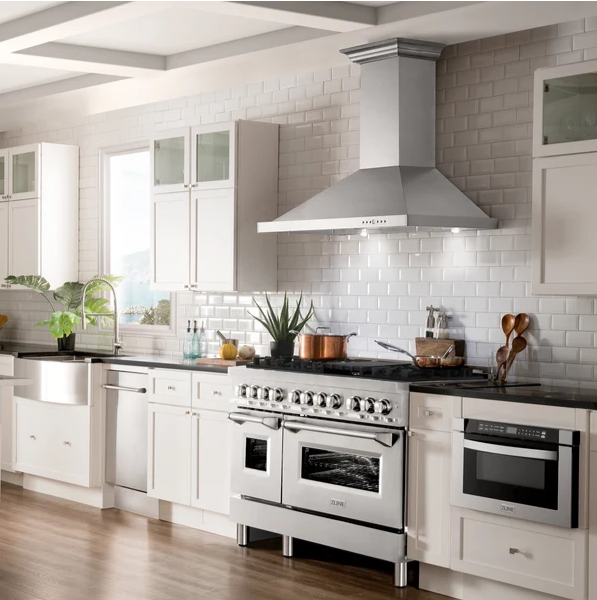
Choosing the right kitchen range can improve cooking flexibility, simplify meal preparation, and complement your kitchen design. Although often searched as duel fuel ranges, these appliances are commonly called dual fuel ranges because they combine a gas cooktop with an electric oven. This setup gives home cooks responsive flame control for stovetop tasks and consistent electric heating for baking and roasting. Before selecting a model, consider your cooking habits, available space, utility connections, oven features, and installation requirements to determine whether this combination suits your household.
How Dual Fuel Ranges Work
A duel fuel ranges uses two energy sources for different cooking functions. The cooktop operates on natural gas or, where supported, liquid propane, while the oven uses electricity to generate heat. This arrangement combines the strengths of both cooking methods in one appliance.
Gas burners allow quick flame adjustments for sautéing vegetables, boiling water, searing meat, and simmering sauces. An electric oven provides controlled heating that can be useful for baking pastries, roasting vegetables, and preparing dishes that require consistent temperatures.
However, results depend on the specific appliance, cooking technique, cookware, and selected settings. Understanding these differences helps determine whether a dual fuel configuration offers meaningful benefits for your kitchen.
Important Features to Compare Before Buying
1. Burner Power and Configuration
Burner count and heat output affect how efficiently you can prepare several dishes simultaneously. Compact models may offer four burners, while wider ranges can provide additional burners for larger cookware and more complicated meals.
Compare the available heat settings rather than focusing solely on burner quantity. High-output burners support rapid heating and searing, while lower-output options help maintain gentle heat for delicate sauces. Some models include specialized burners or griddle accessories, providing additional cooking flexibility.
Consider the cookware you use most often and whether the burner arrangement leaves enough room for multiple pots and pans.
2. Electric Oven Capacity and Convection
Oven capacity determines the size and quantity of dishes you can prepare at once. A single oven may suit everyday cooking, whereas a double-oven configuration can help when preparing meals at different temperatures.
Convection cooking uses a fan to circulate heated air around the oven cavity. This can promote more even cooking and browning, although results vary by model and recipe. If you frequently bake, compare convection settings, temperature controls, rack positions, and preheating features.
Self-cleaning functions may also be useful, but review the manufacturer’s instructions and maintenance requirements before choosing a model.
3. Size, Design, and Installation
Duel fuel ranges in different widths, including 30-, 36-, 48-, and larger-inch configurations. The appropriate size depends on your kitchen layout, cabinet dimensions, cooking requirements, and available installation space.
Measure the opening carefully and check the appliance’s exact dimensions, including depth, handle clearance, and required spacing. Dual fuel models generally require both a compatible gas connection and an appropriate electrical supply. Confirm voltage, circuit requirements, ventilation provisions, and local installation codes before purchasing.
Professional installation helps ensure that both connections meet the manufacturer’s specifications and applicable safety requirements.
Cleaning, Ventilation, and Maintenance
Duel fuel stoves care helps preserve appliance performance and appearance. Clean the cooktop and grates according to the manufacturer’s guidance, remove spills when surfaces have cooled, and avoid abrasive products that could damage the finish.
Proper kitchen ventilation is also important when cooking with gas. An appropriately sized, externally vented range hood can help remove cooking fumes, grease, moisture, and combustion byproducts. Keep burner openings clear, check for normal ignition, and arrange qualified service if you notice unusual operation or a persistent gas odor.
Conclusion
The best range balances cooking performance, oven capacity, practical features, and installation needs. When comparing, focus on burner flexibility, electric oven capabilities, available space, and utility requirements rather than choosing by appearance alone. Smart Home Luxury offers a collection of dual fuel ranges in different widths, configurations, and finishes, giving homeowners options to compare for their kitchens. Reviewing individual specifications and installation requirements can help you select an appliance that supports your cooking routine and long-term needs.