
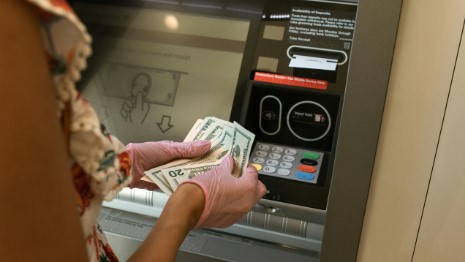
Adding an automated teller machine to a retail store, restaurant, hotel, or entertainment venue can make cash withdrawals more convenient for customers. However, choosing the right equipment requires more than comparing purchase prices. Business owners need to consider installation space, expected transaction volume, security features, processing compatibility, and ongoing maintenance. Searching for an ATM cash machine for sale is a useful starting point, but understanding how different models serve different environments helps you make a more informed investment. The right selection should match your location’s needs and support reliable daily operations.
Evaluate ATM Types Based on Your Location
The installation environment is one of the first factors to consider when comparing machines. An indoor retail ATM cash machine for sale is used in convenience stores, bars, restaurants, and other businesses where customers can access the machine inside the premises. Compact designs can be particularly useful when floor space is limited.
For locations requiring exterior access, a through-the-wall ATM may be more appropriate. These systems are installed through a building wall and can support drive-up or exterior withdrawal access, depending on the site design. Models such as the Genmega GT5000 offer a through-the-wall configuration for higher-volume applications.
Before choosing a format, evaluate customer traffic, available space, accessibility requirements, building modifications, and the practicality of servicing the equipment.
Compare Features That Affect Daily Operations
Transaction Security and Card Compatibility
Security features are essential when selecting ATM equipment. Look for EMV-compatible card readers, encrypted PIN entry, secure locking mechanisms, and manufacturer-supported software updates. Near-field communication (NFC) capability may also support contactless transactions on compatible systems.
Features vary by model and configuration, so verify the specifications of the exact machine you plan to purchase. Security also depends on proper installation, software maintenance, network configuration, and regular monitoring. Hardware alone cannot prevent every form of fraud.
Cash Capacity and Transaction Volume
Cash-dispensing capacity affects how frequently an operator needs to replenish a machine. A location with steady withdrawal activity may require greater cassette capacity than a small business with occasional transactions.
Consider expected daily usage, access to cash replenishment, and the denominations customers commonly withdraw. Models with different dispenser configurations can serve different operational needs. Estimating demand before purchasing helps you avoid choosing equipment that is unnecessarily large or difficult to maintain.
Screen Design and Customer Usability
A clear display, accessible controls, and straightforward transaction prompts help customers complete withdrawals efficiently. Consider screen size, button layout, receipt printing, and the overall interface when comparing available models. If the ATM will serve a broad customer base, accessibility and ease of use should remain central to the decision.
New and Used ATM Machines: What Should Buyers Consider?
ATM cash machines for sale may provide current hardware, manufacturer-backed support, and configuration choices. Used equipment can offer a lower initial purchase price, but its condition, service history, software compatibility, and remaining warranty coverage require careful review.
Ask whether the machine has been inspected, whether replacement parts remain available, and whether it supports the processing arrangements you intend to use. Confirm the total cost, including delivery, installation, programming, connectivity, and any ongoing service fees.
Comparing the full cost of ownership provides a more realistic basis for evaluating value than looking at the equipment price alone.
Plan for Processing, Installation, and Maintenance
An ATM must connect securely to an appropriate processing network to authorize transactions and dispense cash. Before buying, clarify processing fees, settlement procedures, reporting tools, and technical support arrangements. Confirm that the machine is compatible with the selected provider.
Installation planning should include power, network connectivity, mounting requirements, accessibility, and physical security. Routine maintenance also matters: inspect equipment, replenish receipt paper, monitor error notifications, and arrange servicing according to manufacturer guidance.
Conclusion
Selecting an ATM requires balancing purchase cost, transaction demand, security, installation requirements, and long-term service needs. Compare indoor and through-the-wall models, verify processing compatibility, and review warranty terms before committing to a purchase. Best Products Sales & Service, inc. provides a range of ATM options for businesses with different operating requirements. A careful evaluation of equipment and ongoing expenses can help you choose a system that supports customer convenience and dependable cash access.