
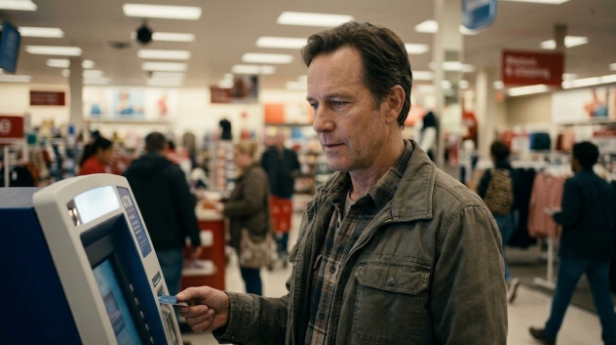
Retail stores are changing quickly, but cash still plays an important role in many customer purchases. For convenience stores, gas stations, smoke shops, liquor stores, grocery stores, bars, and small local businesses, adding an ATM for retailer use can improve customer convenience and support in-store spending.
An ATM gives customers quick access to cash without leaving the location. This can be helpful when a shopper wants to avoid card fees, pay for cash-preferred items, or make a last-minute purchase. For retailers, it can also create another service point that supports foot traffic and customer satisfaction.
Why Retailers Add ATMs
An ATM can make a store more useful to customers. Instead of sending shoppers to another location for cash, the business keeps them inside the store. This may help increase the chance of extra purchases before or after the withdrawal.
Retailers may also benefit from surcharge revenue, depending on the ATM ownership and processing arrangement. Some businesses buy the machine and manage it directly. Others work with an ATM provider that handles processing, service, or cash loading. The best setup depends on the store’s traffic, staff, cash flow, and security needs.
Good Locations for ATMs
Not every retail store needs an ATM, but many high-traffic locations can benefit. Stores with frequent small purchases, cash-heavy customers, or limited nearby banking access are often good candidates. An ATM can also work well in places where customers already spend time browsing or waiting.
Common retail locations include:
- Convenience stores
- Gas stations
- Liquor stores
- Smoke shops
- Grocery stores
- Restaurants and bars
- Laundromats
- Check-cashing stores
- Shopping plazas
- Hotels and entertainment venues
The machine should be placed where customers can see it easily. At the same time, it should not block aisles, doors, checkout lines, or emergency exits.
Choosing the Right ATM
When comparing ATM machines, retailers should look beyond the purchase price. A good ATM should be reliable, secure, easy to use, and suitable for the store’s transaction volume. Buying the cheapest machine may lead to higher repair costs later if parts, software, or support are limited.
Important features to compare include:
- EMV card reader
- Contactless payment support
- Cash cassette capacity
- Screen size
- Receipt printer
- Lock and vault security
- Wireless or Ethernet connection
- Remote monitoring
- Warranty and service support
- Compliance and software updates
Retailers should also ask whether the machine is new, used, or refurbished. A refurbished ATM can be affordable, but it should come from a trusted supplier with testing, support, and warranty coverage.
Placement and Security
Placement can affect both usage and safety. Customers are more likely to use an ATM that is visible, clean, and easy to access. Good lighting, camera coverage, and a clear path to the machine can improve confidence.
Security should be planned before installation. Retailers should consider anchoring the machine, keeping it within camera view, limiting staff access to cash areas, and checking the machine regularly for tampering. If the store is open late, the ATM should be placed in a spot that staff can monitor.
Cash Loading and Processing
An ATM needs cash and processing service to function. The retailer must decide who will load the machine, who will monitor cash levels, and who will handle transaction reports. Some store owners prefer to load the machine themselves because it gives them more control over cash and surcharge income.
Processing is also important. The ATM must connect to banking networks so customer withdrawals can be completed. Before buying, retailers should understand surcharge settings, transaction fees, settlement timing, service agreements, and technical support. Clear terms help prevent confusion after installation.
New or Refurbished ATM
A new ATM may be the best choice for retailers who want updated technology, warranty protection, and longer expected use. It may cost more upfront, but can offer fewer compatibility concerns. A used or refurbished ATM may be better for stores with a smaller budget or lower expected transaction volume.
The decision should be based on traffic, available space, budget, and long-term plans. If the location has heavy daily foot traffic, investing in a newer machine may make sense. If the ATM is being tested as a new service, a quality refurbished model may be a practical starting point.
Business Benefits
An ATM can support the customer experience by making cash access simple. It can also reduce the need for customers to leave the store, which may help protect sales. For some retailers, the ATM becomes a small but steady revenue source through surcharge fees.
It can also support cash-based purchases. If a store offers products or services where customers often prefer cash, an ATM adds convenience. This is especially useful in busy retail environments where speed and access matter.
Final Thoughts
Adding an ATM for retailer locations can be a smart move when the store has steady foot traffic, good visibility, and customers who use cash. The right machine can improve convenience, support customer spending, and create potential extra income. Before purchasing, compare ATM machines for sale, review features, confirm processing terms, plan cash loading, and think carefully about security. A well-placed ATM can become a useful part of the retail experience and a practical investment for the business.