
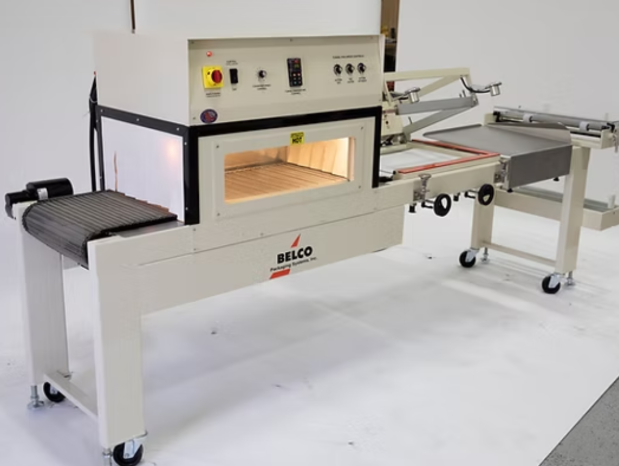
Part numbers rarely tell a story on their own, which is why a listing such as Belco: B-2748 can be hard to interpret when a machine is down and a replacement is needed quickly. The Belco name is shared by several unrelated companies, and the number itself says little about size, function, or compatibility until someone ties it to a specific machine. In this guide, we work with what the Machine Parts Toolbox catalog actually says about the item, explain the sealing principles behind that description, and show how buyers can confirm a part before ordering. Clear reading saves time and avoids errors. The aim is to make a catalog entry easier to read and to act on with confidence.
What the Catalog Entry Says
The only technical description available for Belco: B-2748 is short: it delivers precise, repeatable seals by controlling heat, time, and pressure, and it offers a temperature resolution of 0.1°C. It does not state the machine, dimensions, voltage, or whether the item is new or surplus. That leaves gaps a careful buyer should fill before purchase.
Other Belco items in the same catalog, such as a shrink tunnel belt sold as a special order, indicate that the brand shown is Belco Packaging Systems. That company lists L-sealers, side sealers, blister sealers, tray sealers, shrink tunnels, and conveyors.
How Heat Sealing Is Controlled
Every heat seal depends on three variables working together:
- Temperature: enough heat to soften or fuse the sealing layer without scorching the film or the product.
- Time: the dwell period during which the heat and pressure act on the seam.
- Pressure: the force that holds the layers in contact so the fused material bonds evenly.
Belco states that its medical tray sealers are built to published specifications for time, temperature, pressure, and parallelism. Its advanced control options add features such as tool-recognition tags so a fixture cycles only at validated settings, plus data capture for every seal cycle. For many packaging users, the practical aim is the same: set the three variables, then repeat them reliably.
What 0.1°C Resolution Means
Resolution is the smallest step in which a controller can display or adjust temperature. A resolution of 0.1°C means readings and settings change in tenths of a degree. This differs from accuracy, which describes how closely the reading matches the real temperature at the seal surface, and from stability, which describes how steadily the temperature holds during a run. Fine resolution helps operators repeat a validated setting, though it does not remove the need for calibration checks.
Confirm You Have the Right Part
A part number alone is rarely enough. Before ordering anything under Belco: B-2748, gather and compare:
- The machine model and serial number from the nameplate.
- A photograph of the existing part and the area where it mounts.
- Electrical details such as voltage and connector type, where relevant.
- The supplier’s written confirmation of fit and condition.
- The lead time, since catalog items marked special order are not held in stock.
Ask the supplier whether the listing is for a new, surplus, or remanufactured item, and what return terms apply if the part does not fit.
Planning for Replacement
Parts that control temperature and pressure are central to seal quality, so plan before they fail. Record the part numbers of every controller, sensor, heating element, and wear item on your sealers. Keep the owner’s manual for each machine, and note the calibration or maintenance interval it recommends. Stocking one spare of the part that would stop production costs far less than a day of lost output.
Conclusion
A short catalog line becomes much more useful once it is matched to a machine, a model number, and a supplier’s confirmation. Verify the details, and keep your records current. When you need to source parts for machines such as sealers and tunnels, writing down the model, serial number, and part numbers before an outage keeps the search quick and accurate.