
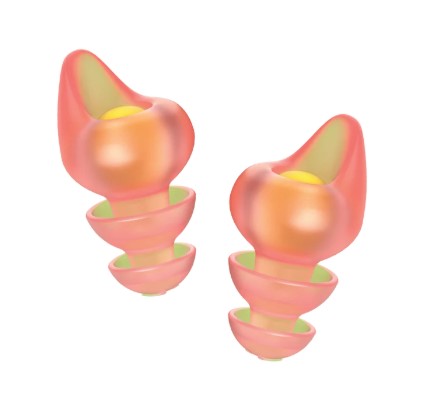
Noise is one of the most common reasons people wake in the night. Traffic, snoring partners, neighbors, and shift-work schedules can all fragment rest, even when sleepers do not fully remember waking. Choosing better sleep ear plugs is a practical way to reduce those interruptions, but the right pair depends on comfort, fit, and habits.
Why Noise Disrupts Sleep
The brain keeps processing sound during sleep, which is why a sudden noise can trigger a brief arousal. These micro-awakenings reduce time in deep and REM sleep, even when the sleeper stays unaware of them. A study of sleep measures during noise exposure found that earplugs significantly reduced REM latency and increased the percentage of REM sleep.
Earplugs do not make a bedroom silent, and they are not meant to. They lower the level of sound reaching the eardrum, which can keep moderate noise from crossing the threshold that disturbs sleep. People who live in busy areas often notice the largest difference.
Main Types of Sleep Plugs
Different materials suit different sleepers. The main options are:
- Foam: soft, inexpensive, and usually strongest at blocking noise, but disposable and prone to harboring bacteria if reused.
- Soft silicone: reusable and comfortable, often sitting at the canal entrance, though sometimes less effective at blocking sound.
- Wax or moldable putty: sits at the ear opening, shapes to the ear, and suits many side sleepers.
- Thermo-reactive materials: soften with body heat to match the ear canal’s shape.
- Sleep headbands: cover the ears without insertion, which helps people who dislike plugs.
Hard silicone plugs can feel uncomfortable for people who sleep on their side, because the pillow presses them into the ear. Foam can feel abrasive if it is not compressed correctly. Finding better sleep ear plugs often involves trying more than one style until comfort and noise reduction line up.
Getting the Fit Right
Poor fit is the top reason people give up on earplugs. A plug that is too large causes pressure and pain, while one that is too small falls out or leaks sound. Ear canals differ in size and shape, so sized options help.
For foam plugs, roll the plug into a thin cylinder, pull the ear up and back to straighten the canal, insert it, and hold it for several seconds while it expands. Wax plugs should be warmed in the hands and shaped into a ball before covering the canal opening. Avoid pushing any plug deep into the ear, since that can compact wax. Better sleep ear plugs should feel secure without pressure or pain.
Understanding Noise Reduction Ratings
Packaging often shows a Noise Reduction Rating (NRR) or a Single Number Rating (SNR) in decibels. A higher number means more attenuation, and some foam plugs list around 33 dB. The real-world effect is smaller than the number suggests, because fit and insertion change results.
More blocking is not always better for sleep. Some people need to hear a smoke alarm, a baby, or an alarm clock. A moderate rating offers a compromise, and the same plug can be paired with a vibrating alarm or a white-noise device if needed.
Safety and Ear Health
Medical sources consider occasional earplug use safe. Frequent use, however, can push earwax deeper, trap moisture, and raise the risk of wax buildup or ear infection. Impacted wax can cause pain, a feeling of fullness, muffled hearing, or ringing, and it may need professional removal.
Simple habits lower the risk:
- Keep plugs clean, and replace disposable ones often.
- Wash reusable plugs with mild soap and water, then dry them fully.
- Give your ears a break on quiet nights.
- Avoid inserting plugs into an already blocked or infected ear.
- See a doctor for pain, discharge, hearing changes, or persistent ringing.
People with ear tubes, a history of ear surgery, or frequent ear infections should consult a clinician first.
Combining Earplugs With Sleep Habits
Earplugs work best alongside good sleep hygiene. Keep a consistent bedtime, a cool and dark room, and a comfortable mattress. Address the noise source when possible with weatherstripping, rugs, heavy curtains, or a white-noise machine. Snoring partners may also benefit from their own medical evaluation, since loud snoring can signal sleep apnea.
Conclusion
The best choice balances comfort, noise reduction, and safe use, and most people find their match after trying a couple of types. For sleepers who want options, Otifleks offers reusable thermoactive plugs that soften with body heat and come in four sizes, plus dual-material foam disposable plugs with slow-rebound foam, and both are sold through pharmacies. A quieter bedroom is within reach once the fit feels right.