
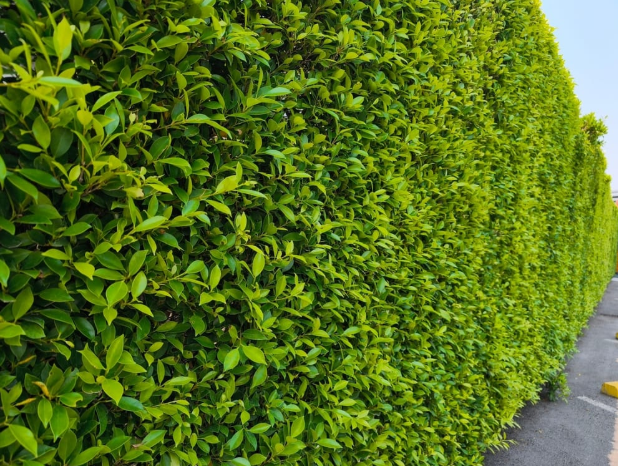
Creating a natural boundary around a property is one of the most effective ways to improve outdoor privacy and landscape appearance. Hedge plants are widely used by homeowners and landscapers because they provide living barriers that add greenery, structure, and visual separation without the limitations of traditional fencing.
Unlike temporary privacy solutions, well-selected hedge plants continue growing and improving over time. They can define property lines, soften hard landscape features, reduce outside visibility, and create a more organized garden design. However, choosing the right plants requires careful consideration of growth habits, climate conditions, maintenance requirements, and the final look you want to achieve.
Why Hedge Plants Are Popular for Landscaping
Modern landscaping focuses on creating outdoor spaces that are both functional and attractive. Privacy, low maintenance, and year-round greenery are common priorities for homeowners.
Hedge plants are popular because they can provide:
- Natural privacy screening
- Improved curb appeal
- Wind protection
- Noise reduction
- Defined garden spaces
- Long-term landscape value
A properly planned hedge can become a permanent feature that enhances the appearance of a yard while supporting a healthier outdoor environment.
How to Choose the Right Hedge Plants
Not every hedge variety performs well in every location. The best choice depends on several factors, including available space, sunlight exposure, climate, and desired maintenance level.
Consider Growth Speed
Growth rate is an important factor when selecting hedge plants.
Fast-growing varieties may provide quicker coverage, but they often require more frequent trimming. Slower-growing plants usually require less maintenance and can create a more controlled landscape design.
Before choosing a variety, consider:
- How quickly privacy is needed
- How often trimming can be performed
- Desired hedge height
- Available planting space
Evergreen vs Seasonal Hedges
One of the biggest decisions is whether you want year-round coverage.
Evergreen Hedge Plants
Evergreen varieties maintain foliage throughout the year, making them suitable for privacy screens.
Benefits include:
- Continuous greenery
- Consistent appearance
- Better year-round screening
Seasonal Hedge Plants
Some plants provide seasonal changes through flowers, colors, or leaf changes.
They can add:
- Seasonal interest
- Garden variety
- Natural beauty
The right option depends on whether permanent privacy or seasonal appearance is the main goal.
Best Uses for Hedge Plants
Hedges can serve different purposes depending on landscape needs.
Creating Privacy Screens
One of the most common uses of hedge plants is creating natural privacy barriers.
They can help:
- Block unwanted views
- Separate neighboring properties
- Create private outdoor areas
- Improve backyard comfort
Dense evergreen varieties are often preferred when homeowners want consistent screening throughout the year.
Defining Garden Borders
Hedges can also be used to create clear boundaries between different landscape areas.
Common applications include:
- Walkway borders
- Driveway edges
- Flower bed boundaries
- Pool surroundings
They help organize outdoor spaces while adding natural texture.
Improving Curb Appeal
A well-maintained hedge can make a property look more structured and attractive.
Strategically placed plants can highlight:
- Entryways
- Garden paths
- Building features
- Outdoor living areas
Popular Hedge Plant Options
Different hedge varieties offer different benefits.
Podocarpus
Podocarpus is a popular choice for formal hedges because of its dense evergreen foliage and ability to be shaped through pruning. It is commonly used for privacy screens and landscape borders due to its upright growth and attractive green appearance.
A Podocarpus Hedge can create a clean, structured look when maintained properly. Its dense foliage makes it suitable for homeowners looking for a natural wall effect while maintaining an elegant landscape appearance.
Other Evergreen Options
Other hedge varieties may be selected based on:
- Climate suitability
- Growth height
- Maintenance requirements
- Desired appearance
The best plant choice should always match the specific conditions of the planting area.
Planting Hedge Plants Correctly
Proper planting plays an important role in long-term hedge success.
Spacing Between Plants
Plant spacing affects how quickly a hedge fills in and how healthy the plants remain.
Planting too closely can cause:
- Poor airflow
- Competition for nutrients
- Increased maintenance needs
Proper spacing allows plants to develop stronger roots and healthier growth.
Soil Preparation
Healthy soil supports better establishment.
Before planting, consider:
- Drainage quality
- Soil type
- Moisture levels
- Nutrient availability
Improving soil conditions before planting can help plants adapt more successfully.
Sunlight Requirements
Different hedge plants require different amounts of sunlight.
Before planting, evaluate:
- Full sun exposure
- Partial shade
- Nearby structures
- Seasonal light changes
Matching plants with suitable conditions improves growth performance.
Maintaining Hedge Plants
Regular care keeps hedges healthy and attractive.
Pruning
Pruning helps control shape and encourages dense growth.
Good pruning practices include:
- Removing damaged branches
- Maintaining desired height
- Encouraging even growth
- Avoiding excessive trimming
Watering
Newly planted hedges usually require regular watering while establishing roots. Mature plants may require less frequent watering depending on the variety and local climate.
Fertilizing
Appropriate fertilization can support healthy foliage and growth. Nutrient requirements vary between plant species, so fertilizer selection should match the specific hedge variety.
Common Mistakes When Growing Hedges
Avoiding common mistakes can improve long-term results.
Choosing Plants Without Considering Mature Size
A small plant may eventually become much larger than expected. Always consider mature height and width before planting.
Ignoring Maintenance Needs
Some hedges require frequent shaping, while others maintain their form naturally. Choosing according to available maintenance time is important.
Poor Plant Placement
Planting too close to structures or other plants can create future problems with space and growth.
Creating a Long-Term Landscape Design
A successful hedge design considers more than privacy. Combining different plant types, textures, and heights can create a more balanced outdoor environment.
Important design factors include:
- Plant arrangement
- Seasonal appearance
- Growth patterns
- Maintenance requirements
- Overall landscape goals
A carefully planned hedge can improve both functionality and visual appeal.
Choosing Healthy Hedge Plants
Selecting healthy starter plants improves the chances of successful growth. A reliable supplier or plant nursery can provide information about plant care, growing conditions, and suitable landscape applications.
When choosing plants, look for:
- Healthy foliage
- Strong stems
- Good root development
- No visible pest damage
- Appropriate size for planting
Healthy plants generally establish more effectively when placed in suitable growing conditions.
Conclusion
Hedge plants provide an effective way to create privacy, improve landscape structure, and add natural beauty to outdoor spaces. With proper selection, planting, and maintenance, they can become long-lasting features in residential gardens. Many homeowners choose a podocarpus hedge when looking for a dense evergreen option that combines privacy with a clean landscape appearance. A thoughtfully designed hedge can transform an ordinary yard into a more private, attractive, and functional outdoor space.