
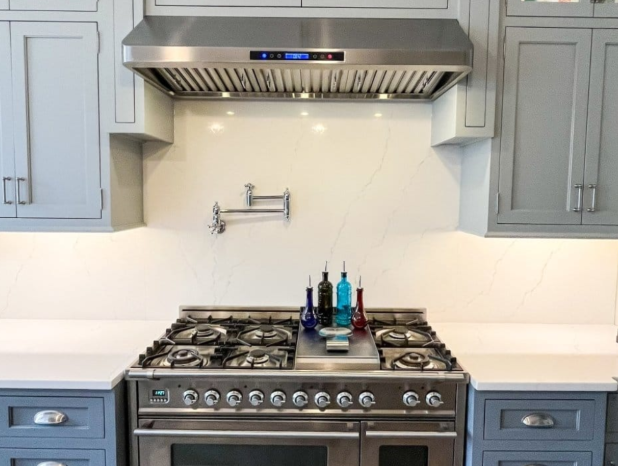
Kitchen ventilation is a critical aspect of residential design that directly impacts indoor air quality, cooking comfort, and long-term maintenance. Every cooking session produces airborne grease, smoke, moisture, heat, and odors that can accumulate throughout the home if not effectively removed. An under cabinet vent hood is one of the most practical ventilation solutions for kitchens where maximizing cabinet space and maintaining efficient airflow are equally important. Installed beneath overhead cabinets, these systems provide effective contaminant capture while preserving valuable storage and complementing a wide variety of kitchen layouts.
As modern kitchens continue to emphasize both functionality and aesthetics, understanding how under-cabinet ventilation systems operate helps homeowners select equipment that delivers reliable performance for everyday cooking.
What Is an Under-Cabinet Vent Hood?
An under cabinet vent hood is a kitchen ventilation appliance designed to be installed beneath an overhead cabinet directly above the cooking surface. Its purpose is to capture smoke, grease particles, steam, airborne contaminants, and cooking odors before they spread throughout the kitchen.
These systems are available in both ducted and ductless configurations. Ducted models exhaust contaminated air outdoors through ductwork, while ductless models use filtration systems to clean and recirculate the air back into the kitchen.
Because they utilize the space beneath existing cabinetry, under-cabinet models are particularly popular in kitchens where preserving storage and maintaining a streamlined appearance are priorities.
Importance of Kitchen Ventilation
Improves Indoor Air Quality
Cooking activities generate airborne particles that may remain suspended indoors long after meal preparation has finished. Frying, grilling, and sautéing often produce smoke, grease, and moisture that can reduce overall air quality.
A properly selected under cabinet vent hood efficiently removes these contaminants, contributing to cleaner indoor air and reducing persistent cooking odors.
Minimizes Grease Accumulation
Airborne grease naturally settles on surrounding cabinets, walls, appliances, and countertops when adequate ventilation is not available.
Efficient grease capture reduces residue buildup, helping preserve kitchen finishes while simplifying routine cleaning and maintenance.
Controls Heat and Humidity
Cooking appliances release significant heat and moisture that may increase indoor humidity levels. Excess humidity can contribute to condensation on nearby surfaces and reduce overall kitchen comfort.
An under cabinet vent hood helps remove excess heat and steam, creating a more comfortable cooking environment while protecting cabinetry from prolonged moisture exposure.
Technical Features to Consider
Airflow Capacity
Ventilation performance is measured in cubic feet per minute (CFM). Selecting an appropriate airflow rating depends on factors such as cooktop output, cooking frequency, kitchen size, and ventilation requirements.
Higher CFM ratings generally provide more effective smoke and grease removal during intensive cooking sessions.
Filtration System
Most under-cabinet ventilation systems utilize aluminum mesh filters or stainless steel baffle filters to capture airborne grease before it reaches internal components.
Regular cleaning of these filters helps maintain airflow efficiency while extending the lifespan of the ventilation system.
Noise Performance
Modern ventilation equipment often incorporates multiple fan speeds that allow homeowners to balance airflow performance with acceptable operating sound levels.
Quieter operation is especially valuable in open-concept kitchens where cooking areas connect directly with living spaces.
Integrated Lighting
Many systems include built-in LED lighting that improves visibility over the cooking surface while offering excellent energy efficiency and long service life.
Ducted vs. Ductless Installation
Ducted Systems
Ducted ventilation systems remove contaminated air by exhausting it outside through dedicated ductwork. These systems generally provide superior smoke, grease, and moisture removal because pollutants are completely expelled from the home.
Ductless Systems
Ductless systems use grease filters and activated carbon filters to clean the air before recirculating it into the kitchen. They are often selected when exterior duct installation is impractical.
The appropriate installation method depends on the home’s layout, available duct routing, and local building requirements.
Installation Considerations
Proper installation significantly affects overall ventilation efficiency.
Important factors include:
- Appropriate mounting height above the cooktop.
- Correct duct diameter for airflow capacity.
- Minimal duct length and sharp bends.
- Secure cabinet support.
- Proper electrical connections.
A correctly installed under cabinet vent hood delivers improved airflow while reducing energy losses and unnecessary motor strain.
Maintenance Best Practices
Routine maintenance helps ensure long-term ventilation performance.
Recommended maintenance includes:
- Cleaning grease filters regularly.
- Wiping exterior surfaces after cooking.
- Inspecting ductwork periodically where applicable.
- Replacing charcoal filters in recirculating systems according to manufacturer recommendations.
- Checking fan operation for consistent airflow.
Consistent maintenance allows an under cabinet vent hood to operate efficiently while helping maintain cleaner indoor air.
Choosing the Right Under Cabinet Vent Hood
Selecting the appropriate ventilation system requires evaluating several technical considerations, including cooktop width, airflow capacity, installation method, filtration system, kitchen size, and cooking habits.
Matching the ventilation system to the cooking appliance helps improve capture efficiency while supporting better long-term kitchen performance. Homeowners should also consider ease of maintenance, noise levels, and lighting features when comparing available options.
Conclusion
Kitchen ventilation is an essential component of maintaining a clean, comfortable, and healthy cooking environment. Understanding airflow performance, installation requirements, filtration technologies, and maintenance practices enables homeowners to make informed decisions when selecting ventilation equipment. For kitchens with different layouts or design preferences, wall mounted range hoods may provide an alternative ventilation solution while delivering efficient airflow and broad cooking surface coverage. A properly selected under cabinet vent hood provides effective removal of smoke, grease, steam, and cooking odors while contributing to improved indoor air quality and easier kitchen maintenance.